West Africa is a mosaic of cultures, traditions, and history that beckons travelers with its vibrant tapestry. For Nigerian readers and those familiar with the region, the land is not just a geographical area but a treasure trove of stories and heritage. From the lively beats of percussion instruments echoing through bustling markets to the mystical allure of ancient kingdoms, West Africa promises a journey like no other. Whether you're an intrepid explorer or a cultural enthusiast, understanding the cultural nuances of West Africa can transform your travel experience into an unforgettable tale.
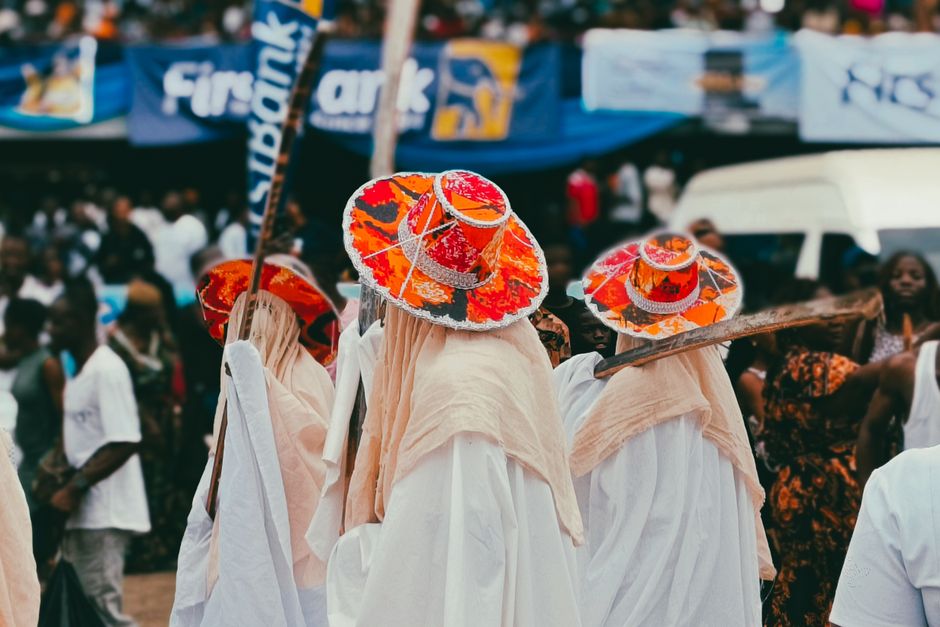
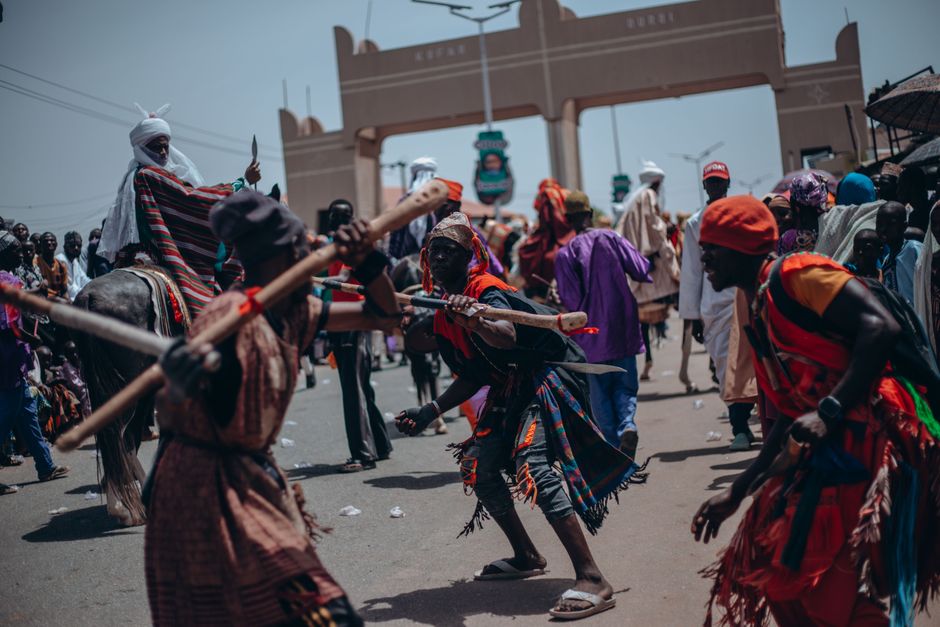
Nigeria alone, with its over 250 ethnic groups, is a testament to the diversity that West Africa harbors. Imagine attending a Yoruba festival, where the air is thick with the aroma of jollof rice and the sounds of bata drums, or witnessing the majestic Durbar festival in the northern cities, where horsemen in colorful regalia parade with pride. Yet, this is just a glimpse into the cultural kaleidoscope that awaits in West Africa. This guide will unravel the rich cultures of West Africa, offering insights into its various traditions, festivals, and historical sites.
The Rich Tapestry of Traditions
Cultural Diversity and Ethnic Groups
West Africa is home to a plethora of ethnic groups, each boasting its own unique customs and practices. The Yoruba, Igbo, and Hausa are among the largest in Nigeria, while the Ashanti dominate in Ghana, and the Mandinka are prominent in Senegal and The Gambia.
- Yoruba: Known for their intricate art and mythology, the Yoruba people celebrate their deities through vibrant festivals like the Osun-Osogbo.
- Igbo: Famous for their enterprising spirit, the Igbo culture is steeped in traditions like the New Yam Festival, a harvest celebration.
- Hausa: Renowned for their hospitality, the Hausa people celebrate with Durbar festivals, showcasing equestrian skills.
"Understanding West African culture requires immersing oneself in the stories and traditions of its people."
Festivals: A Celebration of Life
West Africa's festivals are a testament to the region's rich cultural heritage. These events are not mere celebrations; they are vibrant displays of music, dance, and traditional attire.
- Osun-Osogbo Festival: Held in the sacred grove of Osun in Nigeria, this festival honors the river goddess and attracts devotees worldwide.
- Panafest: Celebrated in Ghana, Panafest is an arts and cultural event promoting African unity and showcasing the continent's rich heritage.
- Fête du Vodoun: In Benin, this festival celebrates the Vodun religion, with elaborate ceremonies and rituals.
Exploring Historical Sites
Ancient Kingdoms and Monuments
West Africa is dotted with remnants of powerful kingdoms and empires that once ruled the region, leaving behind impressive monuments and ruins.
- Benin City: Known for its historical significance, the city was once the capital of the ancient Benin Kingdom.
- Timbuktu: A center of learning and trade, Timbuktu in Mali holds ancient manuscripts and the famous Djinguereber Mosque.
- Elmina Castle: Located in Ghana, this UNESCO World Heritage Site is a poignant reminder of the transatlantic slave trade.
Visiting these sites offers a glimpse into the past, providing context to the rich history that has shaped West Africa today.
Museums and Cultural Centers
Museums and cultural centers across West Africa offer an in-depth look into the region's artistic and historical wealth.
- The National Museum of Nigeria: Located in Lagos, this museum houses a vast collection of Nigerian art, including the famous Nok Terracotta pieces.
- The Slave House in Senegal: Situated on Gorée Island, this museum details the harrowing history of the slave trade.
- National Museum of Mali: Featuring archaeological objects and textiles, this museum displays Mali's cultural richness.
"West Africa's museums are gateways to understanding its multifaceted history."
Culinary Delights
Traditional Dishes
West African cuisine is a flavorful journey through bold spices, rich flavors, and traditional cooking methods.
- Jollof Rice: A beloved dish across West Africa, each country boasts its unique twist on this spicy, tomato-based rice dish.
- Egusi Soup: Made with ground melon seeds, this hearty soup is a staple in Nigerian and Ghanaian cuisine.
- Thieboudienne: Known as Senegal's national dish, this fish and rice dish is bursting with herbs and vegetables.
Street Food Experience
West Africa's street food scene offers a tantalizing array of flavors, perfect for adventurous foodies.
- Suya: Grilled meat skewers seasoned with spicy peanut sauce, popular in Nigeria and beyond.
- Akara: Deep-fried bean cakes enjoyed as a snack or breakfast item across the region.
- Kelewele: Spicy fried plantains, a savory snack found in Ghana.
Sampling street food is an unmissable experience, offering a taste of local life and culinary creativity.
Conclusion
West Africa is a vibrant region brimming with cultural diversity, historical depth, and culinary richness. For Nigerian travelers and those from the surrounding areas, this exploration offers a deeper connection to the region's shared history and identity. From the pulsating rhythms of traditional festivals to the solemnity of historical sites, West Africa is a mosaic that tells the story of its people. As you plan your journey, let this guide be your companion, illuminating the path to unforgettable experiences that celebrate the spirit and resilience of West Africa.