Nigeria, often referred to as the 'Giant of Africa', is renowned for its vibrant culture and diverse heritage. From the bustling streets of Lagos to the ancient cities of Kano and Calabar, Nigeria offers travelers a rich tapestry of traditions, languages, and art forms. Whether you're a history enthusiast, an art lover, or someone seeking a unique culinary experience, Nigeria has something special to offer.
With over 250 ethnic groups, the cultural diversity in Nigeria is astonishing. It's a country where every region boasts its own unique traditions and festivals, all celebrated with enthusiasm and pride. As you embark on this cultural journey through Nigeria, you'll discover a land where the past and present beautifully intertwine, creating an unforgettable experience for any traveler.
The Rich Heritage of Nigerian Festivals
The Durbar Festival
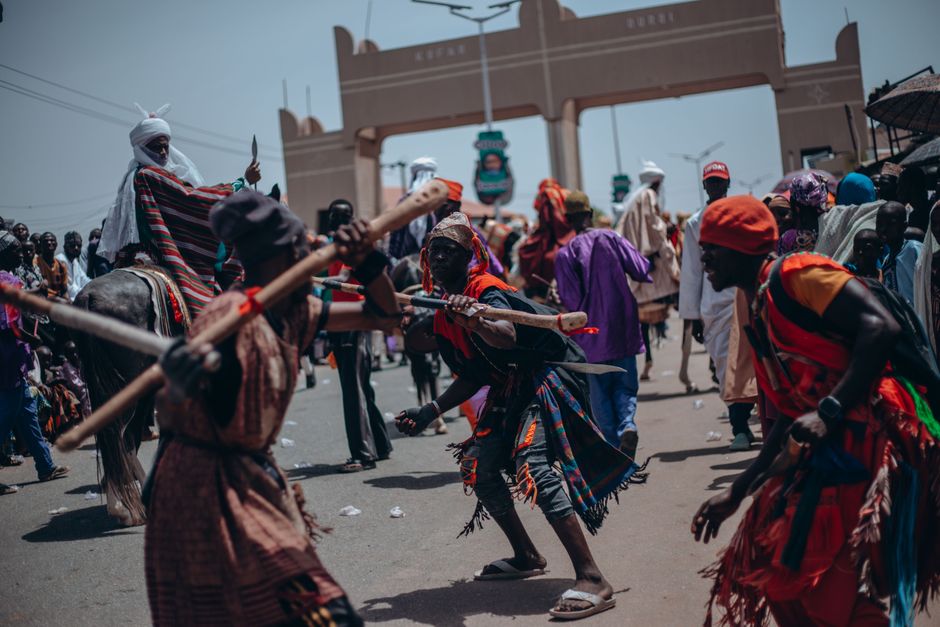
The Durbar Festival is one of Nigeria's most spectacular traditional festivals, celebrated predominantly in the northern part of the country. Held during the Islamic festivals of Eid al-Fitr and Eid al-Adha, it features a grand display of horse riding, traditional music, and elaborate costumes.
The Durbar Festival is a breathtaking spectacle that showcases the cultural richness and historical heritage of northern Nigeria.
During the festival, local emirs and their entourage parade through the streets, offering visitors a glimpse into Nigeria's regal past. It's a perfect opportunity to witness the vibrant culture and hospitality of the northern communities.
The Eyo Festival
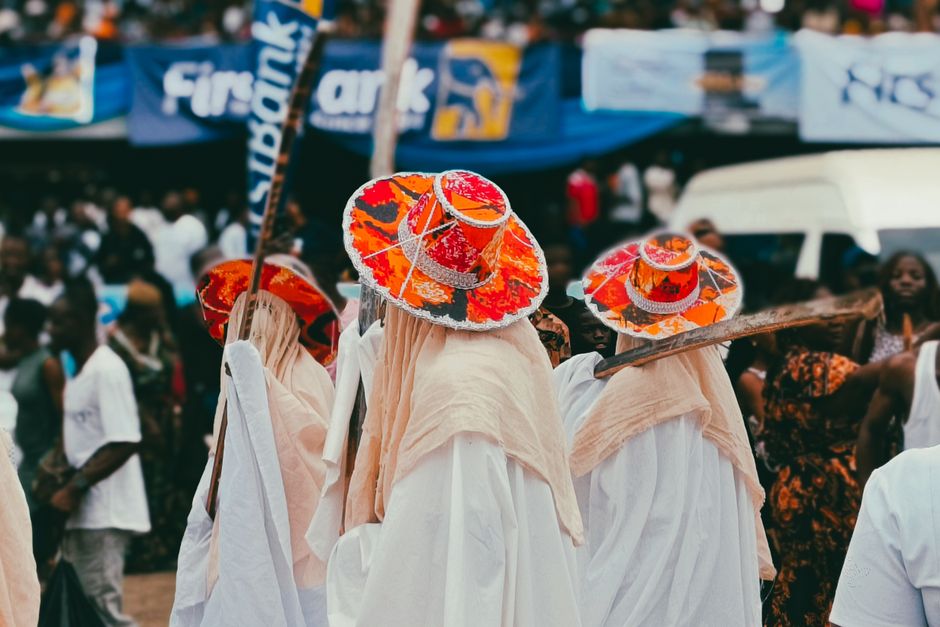
Unique to Lagos, the Eyo Festival is a traditional Yoruba festival held to honor the deceased and celebrate the city's cultural heritage. The festival is known for its iconic Eyo masqueraders, who don white flowing robes and distinctive hats.
Attending the Eyo Festival offers a rare chance to observe the traditional practices of the Yoruba people and partake in a lively cultural celebration.
Nigerian Art and Craft: A Creative Exploration
Traditional Art Forms
Nigeria's art scene is as diverse as its people. Traditional art forms, such as the Nok terracotta sculptures, Ife bronzes, and Benin bronzes, offer a window into the country's rich past.
- Nok Terracotta: Dating back to around 500 BC, these sculptures are some of the oldest examples of African art and depict human and animal figures.
- Ife Bronzes: Known for their naturalism and intricate detailing, these artworks are considered masterpieces of African art.
- Benin Bronzes: Created by the Edo people, these sculptures and plaques tell stories of the Benin Kingdom's history and culture.
Contemporary Nigerian Art
Besides traditional art, Nigeria has a thriving contemporary art scene. Artists like Yinka Shonibare and Njideka Akunyili Crosby have gained international recognition for their innovative works.
Galleries and museums in Lagos and Abuja showcase a wide array of contemporary artworks, making them must-visit spots for art enthusiasts traveling in Nigeria.
Culinary Delights: A Taste of Nigeria
Popular Nigerian Dishes
Nigerian cuisine is a delightful fusion of flavors and ingredients. From spicy jollof rice to rich egusi soup, the country's culinary offerings are a treat for the taste buds.
- Jollof Rice: A beloved West African dish, jollof rice is a flavorful rice dish cooked with tomatoes, onions, and spices.
- Egusi Soup: Made with melon seeds, this hearty soup is often served with pounded yam or fufu.
- Suya: A popular street food, suya is spicy grilled meat skewers, seasoned to perfection.
Exploring Local Markets
For a truly authentic culinary experience, visit Nigeria's bustling markets, such as the Balogun Market in Lagos or the Kano Kurmi Market. Here, you can sample local snacks, buy fresh produce, and immerse yourself in the lively atmosphere.
Music and Dance: The Heartbeat of Nigeria
Afrobeats and Highlife
Nigeria is the birthplace of Afrobeats, a genre that has taken the world by storm. Artists like Fela Kuti, Burna Boy, and Wizkid have popularized Nigerian music globally, blending traditional sounds with contemporary beats.
Afrobeats has become a symbol of modern African music, spreading the vibrant energy of Nigeria across the globe.
Another significant genre is Highlife, which originated in Ghana but found a strong foothold in Nigeria. Known for its jazzy horns and upbeat rhythms, Highlife remains a staple in Nigerian music culture.
Traditional Dance
Traditional dance is an integral part of Nigerian culture, with each ethnic group having its unique styles. From the energetic Bata dance of the Yoruba to the graceful Atilogwu dance of the Igbo, these performances are a captivating sight.
Watching a traditional dance performance is a must-do for travelers looking to experience the true essence of Nigerian culture.
Final Thoughts
Nigeria's cultural richness is unparalleled, offering an immersive experience for travelers who wish to explore beyond the conventional tourist trails. Whether you're attending a colorful festival, exploring vibrant art scenes, indulging in delicious cuisine, or enjoying the pulsating rhythms of Nigerian music, you're bound to create memories that last a lifetime.
So pack your bags and embark on a cultural adventure through Nigeria, where every moment is a celebration of life, history, and creativity. You'll leave with a deeper appreciation for this incredible nation and its people.