Nigeria, often heralded as the 'Giant of Africa,' is a treasure trove of culture and tradition. With over 250 ethnic groups, the nation's cultural diversity is as vast as its landscapes. From the bustling streets of Lagos to the serene villages in the North, Nigeria offers a myriad of experiences that are both captivating and enlightening. If you're a Nigerian reader or someone interested in African culture, embarking on a journey through Nigeria's rich heritage is an adventure that promises to be both educational and soul-stirring.
Whether you're visiting for the first time or a local looking to rediscover your roots, Nigeria's cultural heritage is a vibrant tapestry woven with history, tradition, and an indomitable spirit. In this article, we will delve into the heart of Nigeria's culture, exploring its festivals, traditional practices, and historical landmarks that define its identity. Join us as we take a closer look at how these elements combine to create a cultural landscape that is uniquely Nigerian.
From the energetic rhythms of Yoruba drummers to the colorful attire of the Igbo people, Nigeria is a nation that celebrates life. Its culture is not just a reflection of its past but a living, breathing entity that continues to evolve. As we journey through Nigeria's cultural landscape, we'll uncover the stories and traditions that have shaped this great nation. So, buckle up and get ready for a deep dive into Nigeria's rich cultural heritage.
The Rich Tapestry of Nigerian Festivals
The Durbar Festival: A Royal Spectacle
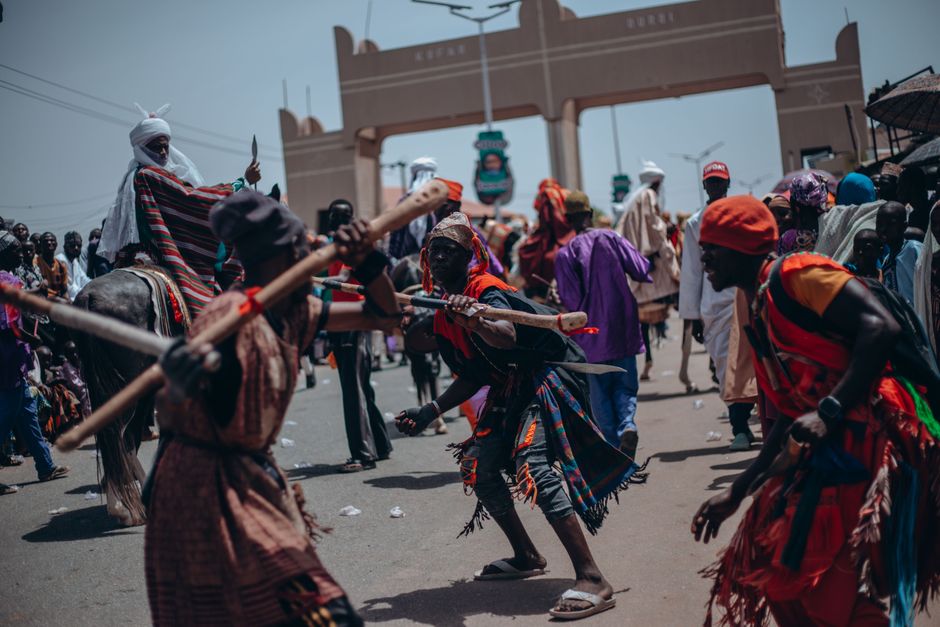
The Durbar Festival, celebrated primarily in the northern regions of Nigeria, is a vibrant display of horsemanship and pageantry. Originating from centuries-old traditions, this festival is a testament to the rich history of the Hausa-Fulani people.
- The festival features a parade of colorful regalia, with horsemen displaying their prowess in intricate formations.
- The Emir leads the procession, symbolizing the unity and strength of the community.
- Attending the Durbar Festival offers an immersive experience into the royal traditions of Northern Nigeria.
If you find yourself in cities like Kano or Zaria during the Eid celebrations, make sure not to miss this grand event.
The Osun-Osogbo Festival: A Spiritual Journey
Deep in the heart of Osun State lies the sacred Osun-Osogbo Grove, a UNESCO World Heritage Site. The annual Osun-Osogbo Festival is a two-week-long celebration that draws devotees and tourists alike to pay homage to Osun, the goddess of fertility.
- The festival features traditional rites, music, and dance, culminating in a grand procession to the sacred grove.
- Participants believe that offerings made at the festival can bring blessings and prosperity.
- It's an essential stop for those seeking to understand the spiritual side of Nigerian culture.
"Nigeria's festivals are not just events; they are a celebration of life, community, and the enduring spirit of its people."
Traditional Practices and Beliefs
Igbo Masquerades: Guardians of Tradition
The Igbo people, predominantly from the southeastern part of Nigeria, are known for their vibrant masquerade traditions. These masquerades are not mere performances but spiritual rituals that connect the community to their ancestors.
- Masquerades serve as a medium through which the spirits communicate with the living.
- They are an integral part of festivals, serving both entertainment and spiritual purposes.
- Each masquerade has a unique role, from warding off evil spirits to blessing the community.
Experiencing an Igbo masquerade is like stepping into a world where the physical and spiritual realms intersect.
Yoruba Divination: The Wisdom of Ifa
The Yoruba people, primarily residing in southwestern Nigeria, are renowned for their rich spiritual traditions. At the heart of these traditions is Ifa, a divination system that offers guidance and insight into life's challenges.
- Diviners, known as Babalawos, interpret the messages of the Orishas through intricate rituals.
- Ifa is not just a spiritual practice but a comprehensive system of knowledge and philosophy.
- Many Yorubas turn to Ifa for answers to personal and communal issues, making it a cornerstone of their cultural identity.
"In Nigeria, spirituality is woven into the fabric of everyday life, offering wisdom and guidance in a complex world."
Historical Landmarks: A Walk Through Time
The Nok Terracotta Sculptures
One of the most significant archaeological finds in Nigeria is the Nok Terracotta sculptures. Dating back to between 1000 BC and 300 AD, these sculptures provide a glimpse into the early civilizations of Nigeria.
- The Nok culture is known for its advanced iron-smelting technology and intricate artistry.
- These sculptures, often depicting human and animal figures, are a testament to the creativity and skill of the Nok people.
- A visit to the National Museum in Lagos or Jos is a must for those interested in Nigeria's ancient history.
The Slave Trade Route: Echoes of the Past
The dark history of the transatlantic slave trade is etched into Nigeria's coastal regions. Places like Badagry and Calabar hold remnants of a time when human lives were traded as commodities.
- Badagry is home to the Slave Museum, which offers a sobering look at the realities of the slave trade.
- The Point of No Return in Badagry symbolizes the final walk of enslaved Africans before being shipped overseas.
- These sites serve as reminders of the resilience of the human spirit and the quest for freedom.
"Understanding Nigeria's history is key to appreciating its cultural richness and the resilience of its people."
Conclusion
Nigeria, with its vast cultural landscape, offers a journey like no other. From its vibrant festivals and spiritual practices to its historical landmarks, the nation is a tapestry of stories waiting to be discovered. For Nigerian readers, these cultural elements are not just historical footnotes; they are a living testament to the resilience and diversity of their heritage.
Whether you're looking to explore the bustling cities or the tranquil countryside, Nigeria's cultural heritage promises a journey filled with discovery, reflection, and inspiration. As you delve into the heart of Nigeria, you'll find that its culture is not just a reflection of its past but a beacon guiding its future.
So, the next time you plan a trip or seek a deeper understanding of your roots, let Nigeria's rich cultural heritage be your guide. It's a journey that promises to enrich your perspective and deepen your appreciation for this remarkable nation.