Nigeria, celebrated as the Giant of Africa, is not only the continent’s most populous nation but also a rich mosaic of cultures, languages, and traditions. From the bustling markets of Lagos to the savannahs of the north, Nigeria offers a unique blend of history and modernity. For Nigerian travelers or those curious about the region, exploring the cultural diversity within Nigeria can feel like embarking on a captivating journey through time and tradition.
This vast West African nation is home to over 250 ethnic groups, each contributing to Nigeria’s vibrant national identity. This diversity is mirrored in the country's music, art, cuisine, festivals, and everyday life. Whether you’re a Nigerian eager to explore your own backyard or a curious traveler seeking authentic experiences, Nigeria’s cultural landscape promises to be enriching and eye-opening.
In this article, we'll delve deep into the heart of Nigeria’s cultural diversity, exploring its standout traditions, riveting history, and the unique elements that make each ethnic group distinct. Join us as we uncover the rich tapestry that is Nigerian culture.
The Yoruba: Masters of Art and Traditions
The Yoruba people, predominantly found in southwestern Nigeria, are known for their profound influence on art, language, and religion. This ethnic group has a storied history, with roots tracing back to the ancient city of Ile-Ife, considered the spiritual heart of the Yoruba civilization.
Art and Craftsmanship
The Yoruba are renowned for their intricate beadwork, vibrant textiles, and statuesque wooden carvings. The art scene in cities like Ibadan and Lagos is thriving, with modern artists drawing inspiration from traditional Yoruba aesthetics.
- Adire: This traditional Yoruba textile, known for its indigo dye and resist patterns, is a fashion staple in both local and international circles.
- Beaded Crowns: Symbolic of royal status, these crowns are masterpieces of Yoruba craftsmanship, often worn by kings, known as Obas.
Festivals and Traditions
Yoruba festivals are colorful, vibrant, and deeply rooted in spirituality. The Osun-Osogbo Festival, a UNESCO-recognized cultural event, celebrates the sacred grove along the banks of the Osun River.
"The Osun-Osogbo Festival is more than just a cultural event; it's a spiritual pilgrimage for many Yoruba people." — Cultural Historian
The Igbo: Entrepreneurs and Innovators
Located primarily in southeastern Nigeria, the Igbo people are known for their entrepreneurial spirit and innovative approach to trade and industry. The Igbo have a reputation for resourcefulness and resilience, pivotal traits in their cultural narrative.
Commerce and Trade
Igbo markets are bustling hubs of trade and commerce. The famous Onitsha Market is one of the largest in West Africa, known for its diverse goods and vibrant atmosphere.
- Aba Manufacturing: Aba is often referred to as the "Japan of Africa" for its robust manufacturing scene, producing everything from garments to electronics.
- Iroko Trade: The Igbo are adept at trading this valuable wood, used worldwide in high-quality furniture and construction.
Igbo Innovations
The traditional Igbo system of apprenticeship, known as 'Igba-boi', is a unique model of skill transfer that has empowered countless young entrepreneurs.
"The Igbo apprenticeship model is a testament to the community’s commitment to economic empowerment and innovation." — Business Analyst
Hausa-Fulani: The Guardians of Tradition
The Hausa-Fulani, predominantly based in northern Nigeria, play a significant role in the cultural and political landscape of the country. Known for their rich traditions and early adoption of Islam, they have a profound influence on Nigerian society.
Music and Dance
The traditional music of the Hausa-Fulani often features the 'kalangu' drum and the 'kora', an African harp-lute, creating a distinct sound that resonates across the plains of northern Nigeria.
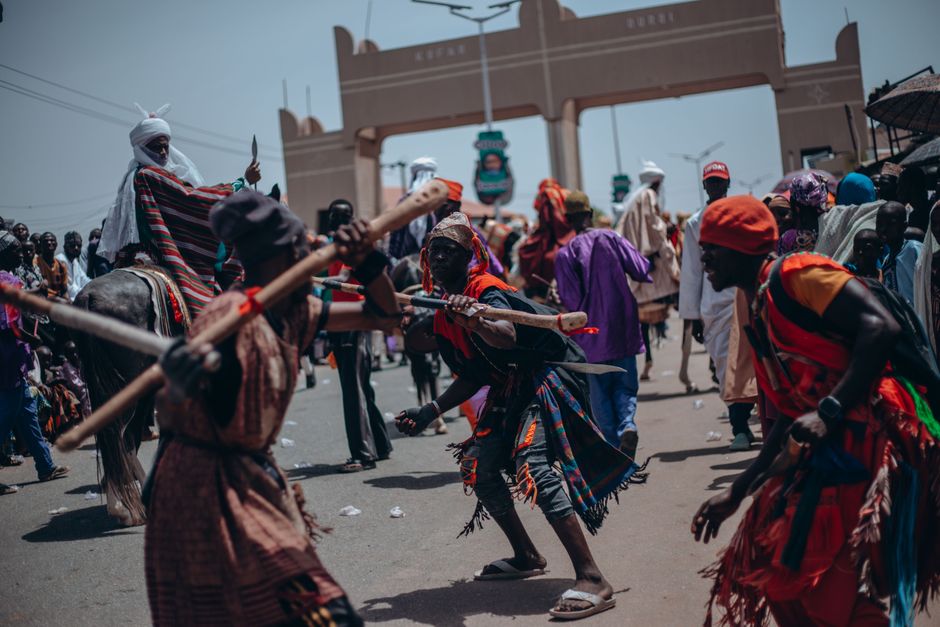
- Durbar Festivals: These festivals are grand celebrations featuring horseback parades, music, and dance, showcasing the region's history and military prowess.
- Gidan Makama Museum: Located in Kano, this museum houses a vast collection of artifacts related to the Hausa-Fulani heritage.
Cuisine and Culinary Delights
The Hausa-Fulani cuisine is a delight for the senses, offering dishes like 'Tuwo Shinkafa' and 'Suya', which have gained popularity across Nigeria and beyond.
"Suya, a spicy meat skewer, is the perfect marriage of flavor and tradition—a must-try for anyone visiting Nigeria." — Food Critic
The Richness of Nigerian Culture in Festivals
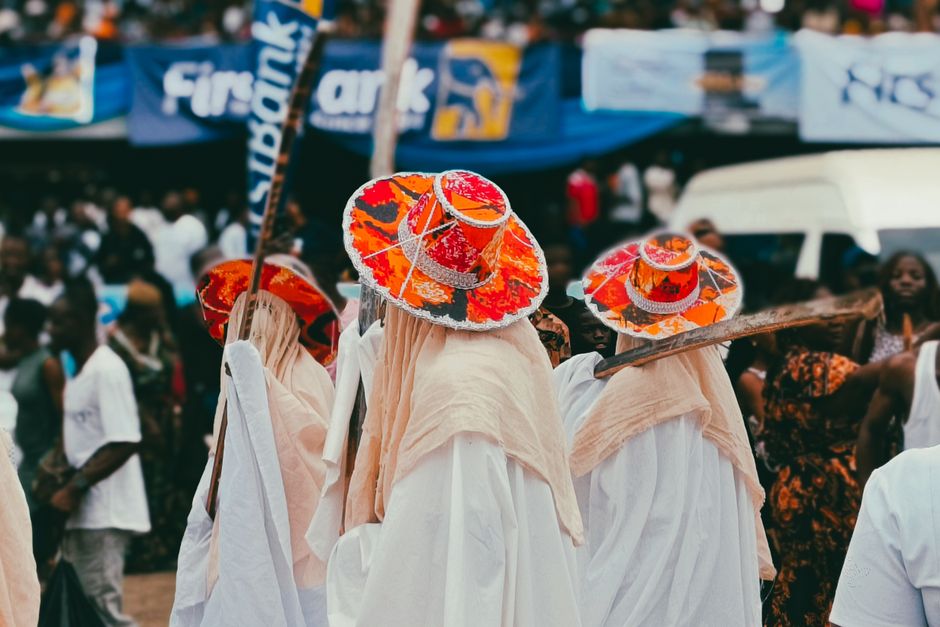
Nigeria’s festivals are a reflection of its cultural diversity and vibrancy. These events, ranging from traditional religious ceremonies to contemporary arts and music festivals, offer a glimpse into the heart and soul of Nigerian society.
Festivals that Unite
Nigerian festivals often serve as platforms for cultural unity and national pride. Events like the Calabar Carnival, often dubbed "Africa's Biggest Street Party," attract tourists and locals alike, eager to partake in the festivities.
- Argungu Fishing Festival: Held in Kebbi State, this festival is a centuries-old tradition celebrating the end of farming season with a grand fishing contest.
- Lagos Fashion Week: Highlighting Nigeria’s growing influence in global fashion, this event attracts designers and fashion enthusiasts from around the world.
The Role of Music and Dance
Music and dance are integral to Nigerian culture, with genres like Afrobeats gaining international fame. Artists such as Fela Kuti and Burna Boy have propelled Nigerian music onto the global stage.
"Nigerian music is a fusion of traditional rhythms and modern beats, capturing the essence of the nation’s dynamic spirit." — Musicologist
Conclusion
Nigeria’s cultural diversity is a testament to its history and the resilience of its people. Exploring the rich tapestry of its ethnic groups, traditions, and festivals offers an insight into the complexities and beauty of this West African nation. For Nigerian readers and travelers alike, understanding and embracing this diversity is not just a journey of discovery, but also of affirmation of the nation’s rich heritage.
Whether you're traversing the vibrant markets of Lagos, immersing yourself in the traditional festivals of the north, or savoring the culinary delights of the east, Nigeria promises a cultural experience like no other. Embrace the opportunity to explore and celebrate the diverse cultures that make Nigeria unique.