Nigeria, the giant of Africa, is a country where tradition meets modernity, creating a vibrant tapestry woven with diverse cultures, languages, and histories. As you embark on a journey through this West African nation, you'll discover a land pulsating with life, from bustling cities to serene villages. The rich cultural heritage of Nigeria is not only a source of pride for its people but also a captivating draw for travelers worldwide. Whether you're a curious explorer or a culture enthusiast, delving into Nigeria’s traditions will leave you with unforgettable memories.
The primary keyword in our exploration today is Nigerian culture, a term that encapsulates the heart and soul of this nation. Within the first few miles of your journey through Nigeria, you'll notice the cultural vibrancy that sings in the air, visible in the colorful attire of its people, the rhythmic beats of their music, and the tantalizing aromas of its cuisine.
As a Nigerian reader, imagine the last festive occasion you attended. The colors, the sounds, and the flavors are only a glimpse into the kaleidoscope that is Nigeria. By the end of this article, you'll not only appreciate the culture more deeply but also find yourself eager to share it with the world.
The Roots of Nigerian Culture
An Overview of Nigeria's Ethnic Diversity
With over 250 ethnic groups, Nigeria is a melting pot of cultures, each contributing its unique essence to the national identity. The three largest ethnic groups are the Hausa-Fulani, Yoruba, and Igbo, but countless others, including the Edo, Kanuri, and Ibibio, play significant roles in the cultural landscape.
This diversity is reflected in every aspect of life, from language to art. Imagine walking through the streets of Lagos or Abuja – you'll hear a symphony of languages, including Yoruba, Igbo, Hausa, and the unifying English.
Traditional Practices and Beliefs
Tradition is the heartbeat of Nigerian life. Many communities still adhere to age-old customs and ceremonies that mark significant life events like births, weddings, and funerals. These traditions are not just rituals but are seen as essential connections to ancestry and spirituality.
Nigerian traditional beliefs often include the worship of deities and the reverence of ancestors. These belief systems co-exist with Islam and Christianity, showcasing a unique blend of spiritual practices.
"In Nigeria, tradition is not just about the past, but a living, breathing part of daily life."
Music and Dance: The Soul of Nigeria
The Rhythms that Define Nigerian Music
From afrobeat to highlife, the music of Nigeria is as diverse as its people. Fela Kuti, the king of afrobeat, brought Nigerian music to the global stage, and today, artists like Burna Boy and Wizkid continue that legacy.
Music is more than entertainment in Nigeria; it is a form of storytelling, a way to pass down history and traditions. The rhythms often combine traditional African sounds with contemporary influences, creating a unique soundscape.
Dance: A Celebration of Life
Dance is an integral part of Nigerian culture, featuring prominently in celebrations and festivals. Each region of Nigeria has its distinctive dance styles, from the energetic Bata dance of the Yoruba to the graceful Atilogwu dance of the Igbo.
These dances are not just performances but are deeply rooted in cultural rituals and storytelling, often representing historical events or moral tales.
The Culinary Delights of Nigeria
Staple Foods and Popular Dishes
Nigerian cuisine is a feast for the senses. Staple foods like rice, yams, and cassava form the basis of many dishes, with jollof rice, pounded yam, and egusi soup being among the most popular.
Cooking in Nigeria is a communal affair, often shared among family and friends. The flavors are bold, with a liberal use of spices, making every meal an adventure.
"Nigerian cuisine is a celebration of flavors, a dance of spices and aromas on your palate."
Local Markets: The Heartbeat of Nigerian Cuisine
Visiting a local market in Nigeria is an experience in itself. The bustling atmosphere, vibrant colors of fresh produce, and the friendly banter of vendors make it a must-see for any traveler.
- Explore the Balogun Market in Lagos for a taste of everything Nigeria has to offer.
- Visit the Bodija Market in Ibadan, known for its vast selection of fresh vegetables and spices.
- Experience the Mile 12 Market in Lagos, famous for its diverse food offerings.
Festivals: A Celebration of Heritage
Major Festivals Across Nigeria
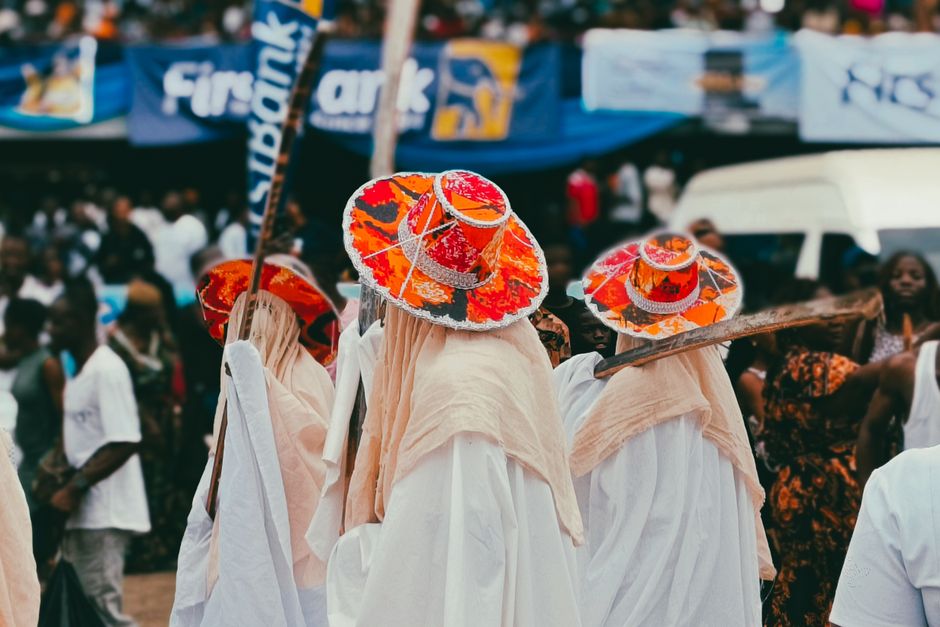
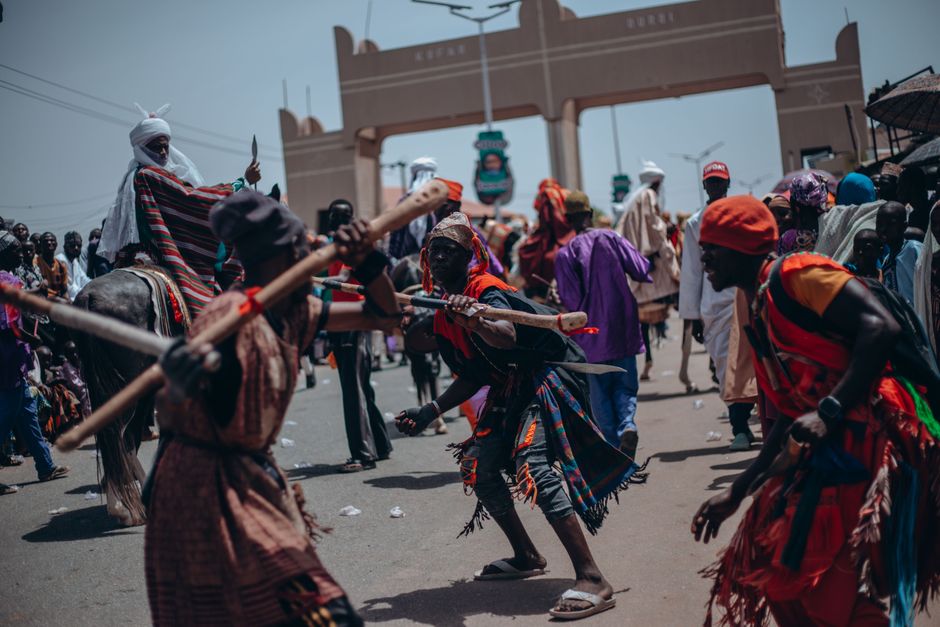
Festivals in Nigeria are a time of joy, color, and celebration, offering a glimpse into the country's rich traditions and customs. The Argungu Fishing Festival, Osun-Osogbo Festival, and the Eyo Festival are among the most notable.
During these festivals, communities come together to honor their heritage, with music, dance, and traditional attire playing central roles.
The Role of Festivals in Community Life
Beyond celebration, festivals play a crucial role in reinforcing community bonds and preserving cultural traditions. They provide a platform for storytelling, teaching younger generations about their heritage.
The sense of unity and pride during these events is palpable, making them an essential part of Nigerian culture.
Final Thoughts
Nigeria’s cultural landscape is as vast and varied as the country itself. From the rhythmic beats of its music to the flavors of its cuisine, the culture is a rich tapestry of history, tradition, and innovation. For the Nigerian reader, this exploration is a reminder of the beauty and diversity that is their heritage; for the traveler, it is an invitation to experience the warmth and vibrancy of Nigerian life.
Embracing the cultural diversity of Nigeria not only enriches our understanding of the nation but also offers a deeper insight into the human experience, making it a journey well worth undertaking.