Nigeria, often dubbed the 'Giant of Africa', is a country brimming with cultural richness and diversity. With over 250 ethnic groups, each with its distinct traditions, languages, and histories, Nigeria's cultural landscape is as vast and varied as its geography. From the vibrant festivals that light up the streets of Lagos, Abuja, and other major cities to the serene villages that hold ancient secrets, Nigeria offers a cultural experience that is both immersive and enlightening.
For Nigerian readers, exploring one's cultural heritage is not just about revisiting the past, but also about understanding the present and shaping the future. Whether you're looking to reconnect with your roots, explore new cultural dynamics, or simply appreciate the beauty of human expression, Nigeria's cultural tapestry offers something for everyone.
The Diversity of Nigerian Ethnic Groups
Yoruba: Guardians of Tradition
The Yoruba people, predominantly found in southwestern Nigeria, are known for their rich traditions and vibrant cultural expressions. From the colorful Egungun festivals to the intricate beadwork, Yoruba culture is a testament to resilience and creativity.
Engaging with Yoruba culture is like stepping into a world where the past beautifully intertwines with the present. The Yoruba are also known for their Ifá divination system, a complex practice that provides insights into life's mysteries and challenges.
Igbo: The Heartbeat of Innovation
The Igbo people, residing primarily in southeastern Nigeria, are renowned for their entrepreneurial spirit and innovative prowess. Known for their elaborate celebrations and industrious nature, the Igbo culture is a vibrant tapestry of music, dance, and storytelling.
An Igbo festival to experience is the New Yam festival, which marks the end of the farming season and celebrates the harvest with traditional dances and feasting.
Hausa-Fulani: A Fusion of Heritage
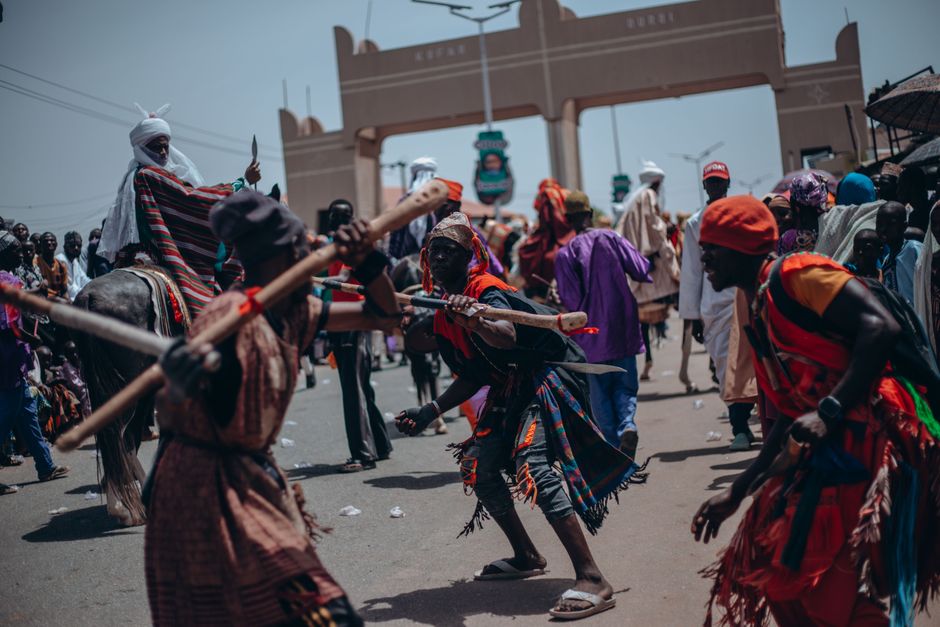
In the northern regions of Nigeria, the Hausa-Fulani people blend two rich cultures. Their traditions are deeply influenced by Islamic principles, reflected in their music, art, and attire.
The Durbar festival is a spectacular event featuring horsemen adorned in colorful regalia, showcasing the fusion of tradition and chivalry.
Festivals: A Celebration of Life
Calabar Carnival: Africa's Biggest Street Party
Known as the biggest street party in Africa, the Calabar Carnival in Cross River State is a month-long celebration of culture, music, and dance. Each December, this event draws thousands of visitors, both local and international, eager to partake in its joyous festivities.
The carnival features a range of activities such as the cultural parade, beauty pageants, and musical performances, highlighting Nigeria's diverse artistic talents.
Eyo Festival: Lagos at Its Most Majestic
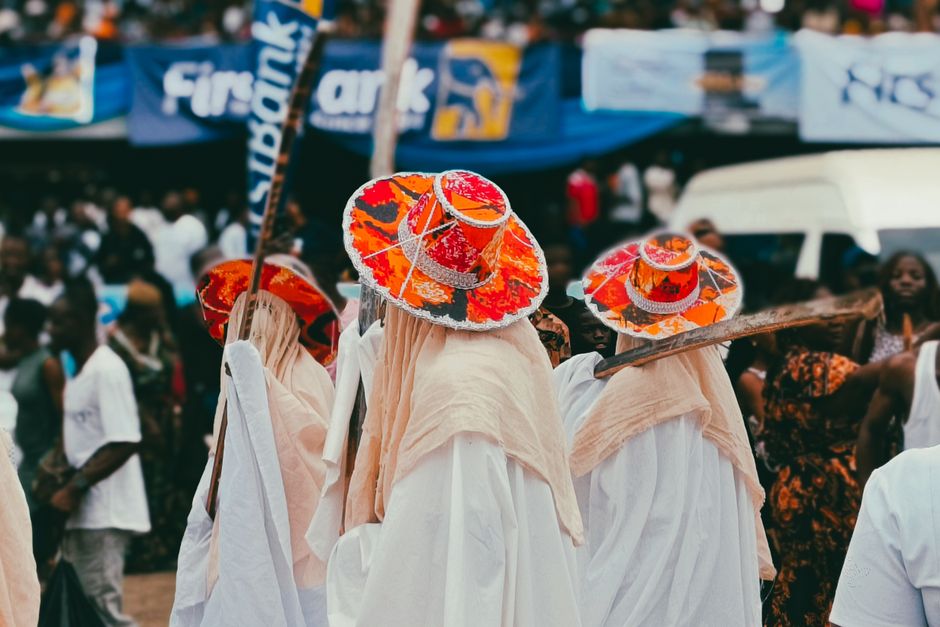
The Eyo Festival is a unique cultural festival held in Lagos and is often considered a precursor to the modern-day carnival. Participants, known as 'Eyo', dress in white robes and masks, parading through the streets with staff called 'Opambata'.
This festival is steeped in history and tradition, serving as a remembrance of Lagos' past leaders and a celebration of its rich cultural heritage.
Historical Landmarks: Windows to the Past
Sukur Cultural Landscape: A UNESCO World Heritage Site
Located in the northeastern part of Nigeria, the Sukur Cultural Landscape offers a glimpse into a past civilization's ingenuity and artistry. Recognized as a UNESCO World Heritage Site, it features a palace, terraced fields, and a unique ritual center.
A visit to Sukur Landscape is a journey back in time, revealing the architectural and agricultural prowess of the Sukur people.
Benin City: The Ancient Kingdom
Benin City, the capital of Edo State, is known for its historical significance and rich cultural heritage. The city was once the seat of the powerful Benin Empire and is renowned for its bronze sculptures and artifacts.
The Benin City National Museum offers a deeper understanding of the historical and cultural evolution of this ancient kingdom.
The Role of Language in Cultural Identity
Indigenous Languages: Voices of Tradition
Nigeria is home to over 500 languages, each serving as a vessel for cultural expression and identity. Indigenous languages like Yoruba, Igbo, and Hausa are more than just means of communication; they are carriers of history, tradition, and community values.
Preserving these languages is crucial for maintaining cultural diversity and heritage, as they hold the wisdom of generations.
Pidgin English: A Unifying Lingua Franca
Pidgin English plays a significant role in bridging communication gaps across Nigeria's diverse ethnic groups. It is a dynamic and evolving language that reflects the creativity and adaptability of Nigerians.
Used in music, films, and everyday conversations, Pidgin English is a testament to Nigeria's unity in diversity.
Conclusion
Nigeria's cultural heritage is a vibrant tapestry woven from the threads of its diverse ethnic groups, traditions, and historical landmarks. Exploring this rich cultural landscape offers a deeper appreciation of the nation's past, present, and future.
Whether diving into the pulsating rhythms of a festival, walking through the corridors of history, or embracing the diversity of languages, there is always something new to discover and cherish in Nigeria.