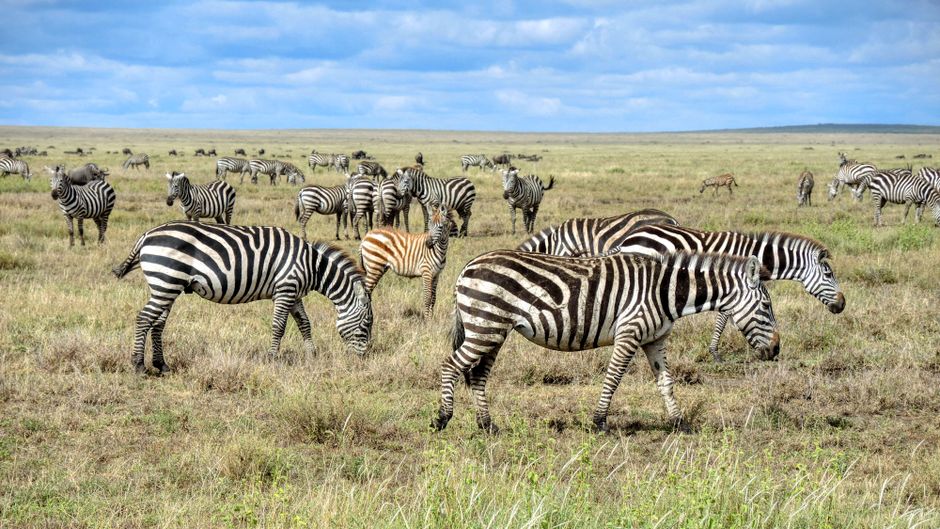
East Africa is a treasure trove of natural wonders, where the allure of the wild beckons to those with a spirit of adventure. From sprawling savannas teeming with wildlife to the majestic peaks of Mount Kilimanjaro, this region offers a safari experience like no other. For Nigerians seeking an unforgettable getaway, East Africa presents a thrilling mix of nature, culture, and adventure, all waiting to be explored.
Whether you're a seasoned traveler or a first-time safari-goer, the landscapes and biodiversity of East Africa promise to captivate your imagination. In this guide, we'll delve into the enchanting world of East African safaris, offering insights and tips to ensure your journey is nothing short of extraordinary.
The Allure of East Africa's Wildlife
Exploring the Serengeti
The Serengeti National Park in Tanzania is perhaps the most iconic safari destination in East Africa. Known for its annual Great Migration, where millions of wildebeest, zebras, and gazelles traverse the plains, the Serengeti offers a front-row seat to one of nature's most spectacular shows.
For Nigerian travelers, visiting the Serengeti is akin to stepping into a live documentary, where lions, elephants, and cheetahs roam freely. The park's diverse ecosystems ensure that every visit is unique, with new sights and sounds to discover.
"The Serengeti is a place where the endless expanse of the earth meets the limitless sky, creating a sense of freedom and wonder."
The Majestic Ngorongoro Crater
Nestled in Tanzania, the Ngorongoro Crater is a UNESCO World Heritage Site and a must-visit on any East African safari. This massive volcanic caldera is home to a rich array of wildlife, including the Big Five – lions, leopards, rhinoceros, elephants, and buffalo.
- Witness the dawn chorus as the sun rises over the crater's rim.
- Explore the diverse habitats, from lush forests to open grasslands.
- Join guided tours to learn about the crater's geological and ecological significance.
The Ngorongoro Conservation Area is also home to the Maasai people, offering visitors a chance to engage with this vibrant culture.
Chasing Peaks: Mount Kilimanjaro
A Climber's Dream
For those with a penchant for adventure, Mount Kilimanjaro presents the ultimate challenge. As Africa's highest peak, Kilimanjaro attracts climbers from around the globe, each seeking to conquer its snow-capped summit.
Nigerian adventurers will find the climb both physically demanding and spiritually rewarding. The journey to the top is filled with breathtaking vistas, from lush rainforests to alpine deserts, culminating in a panoramic view from Uhuru Peak.
Preparing for the Ascent
Climbing Kilimanjaro requires preparation and determination. Here are some tips to help you succeed:
- Start your training regimen well in advance, focusing on cardiovascular fitness and endurance.
- Choose the right route based on your experience and preferences – popular routes include the Marangu and Machame trails.
- Acclimatize properly to minimize the risk of altitude sickness.
"Reaching the summit of Kilimanjaro is not just about conquering a mountain; it's about discovering your inner strength and resilience."
Immersing in East African Culture
The Maasai Experience
Incorporating cultural experiences into your safari can enrich your journey. The Maasai people, with their distinctive customs and traditional lifestyle, offer a window into the vibrant tapestry of East African culture.
Visitors can participate in Maasai-led tours, learning about their history, traditions, and connection to the land. This cultural exchange provides a deeper understanding of the region's heritage and the Maasai's pivotal role in conservation efforts.
Culinary Delights
East African cuisine is a delightful fusion of flavors, reflecting the region's diverse influences. Nigerian travelers can savor a variety of dishes, from the spicy stews of Kenya to the savory samosas and chapatis found throughout Tanzania.
- Try Nyama Choma, a popular grilled meat dish enjoyed across East Africa.
- Sample Ugali, a staple food often served with vegetables and meat.
- Indulge in Zanzibari cuisine, known for its aromatic spices and seafood.
Exploring local markets and dining in authentic eateries are excellent ways to taste the heart of East Africa.
Sustainable Safari Adventures
Responsible Tourism Practices
As travelers, it's important to support sustainable tourism practices that protect East Africa's natural and cultural heritage. Engaging with eco-friendly lodges and tour operators ensures that your safari contributes positively to conservation efforts.
- Choose lodges that prioritize environmental sustainability and community involvement.
- Participate in wildlife conservation programs and initiatives.
- Respect local cultures and traditions, and minimize your ecological footprint.
By embracing responsible tourism, we can help preserve East Africa's beauty for future generations.
Community Empowerment
Supporting local communities is a vital aspect of sustainable tourism. Many safari operators work closely with local villages, providing employment opportunities and supporting education and healthcare initiatives.
"Traveling responsibly means giving back to the places and people that make our journeys memorable."
Conclusion
East Africa's safaris offer a journey into the heart of the wild, where nature and culture intertwine to create an unforgettable experience. For Nigerian travelers, this region presents an array of adventures, from witnessing the Great Migration to scaling the heights of Kilimanjaro. By embracing sustainable tourism practices, we can ensure that these awe-inspiring landscapes and vibrant cultures thrive for generations to come.
So pack your bags, ready your spirit for adventure, and let East Africa's untamed beauty captivate your soul.