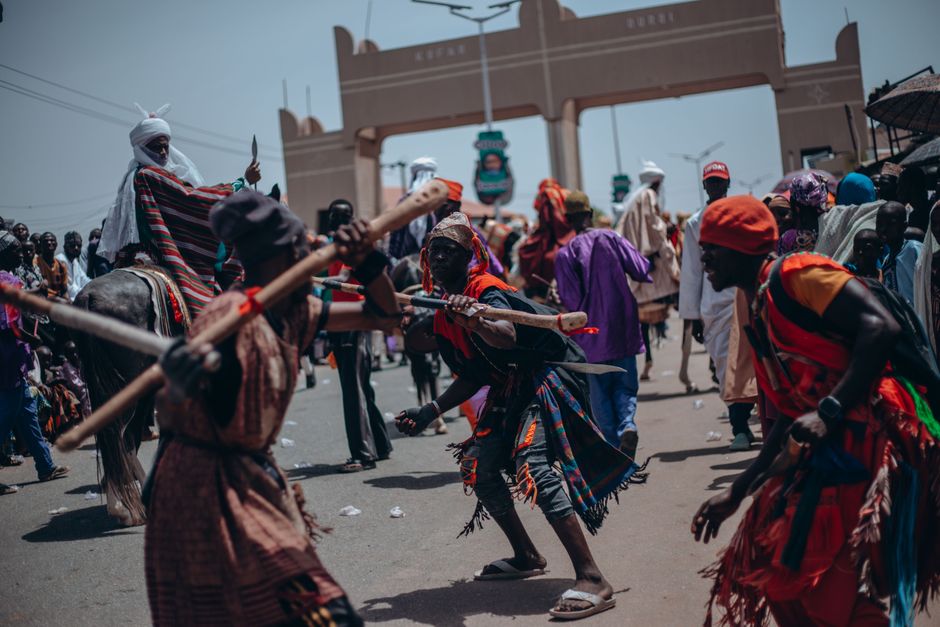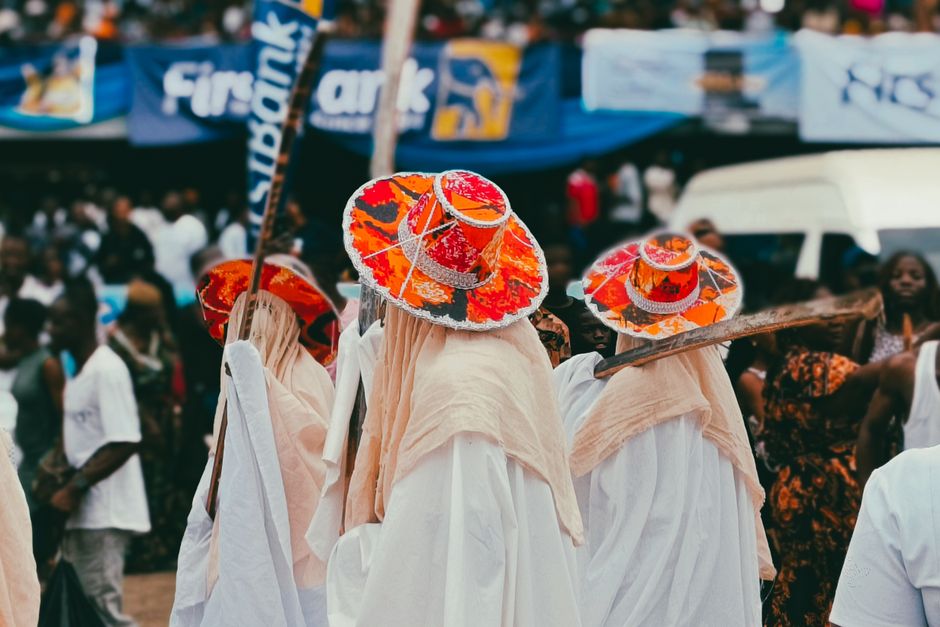
When it comes to cultural festivals, Nigeria stands as a beacon of diversity and vibrancy. From the bustling streets of Lagos to the tranquil villages of the north, the country's festivals are a testament to its rich heritage and communal spirit. For many Nigerians, these festivals are not just events; they are a celebration of life, history, and tradition.
Whether you are a culture enthusiast or simply looking to experience Nigeria from a different perspective, these festivals offer a unique insight into the heart and soul of the country. Let's delve into some of the most captivating festivals Nigeria has to offer, appealing to both locals and tourists alike.
Eyo Festival: A Spectacle of Elegance and Tradition
History and Origin
The Eyo Festival, held in Lagos, is one of Nigeria's most iconic cultural events. It is believed to have originated from the Yoruba culture and is often linked to the ascension of a new Oba (King) or to celebrate the life of a deceased Oba.
During the festival, participants, known as 'Eyo', dress in white flowing robes and cover their faces with white masks, adding a mystical aura to the event. The festival is a mesmerizing display of tradition and pageantry.
The Procession
The Eyo procession is a grand affair, with participants parading through the streets of Lagos Island, dancing and chanting in a rhythmic harmony. This vibrant display is a sight to behold, attracting thousands from across the country.
“The Eyo Festival is more than a celebration; it is a living history that connects the past with the present.”
Calabar Carnival: Africa's Biggest Street Party
A December to Remember
Known as Africa's biggest street party, the Calabar Carnival is a month-long celebration held every December in Cross River State. This carnival is a fusion of culture, music, and dance, drawing participants from all over the world.
The Carnival Experience
The carnival features vibrant parades, colorful costumes, and energetic performances. The streets of Calabar come alive with music and dance, offering a feast for the senses. It's a time when the city transforms into a lively hub of celebration.
- Live music performances by top Nigerian artists
- Cultural shows and traditional dances
- Street food stalls offering local delicacies
For anyone looking to experience the true essence of Nigerian hospitality and culture, the Calabar Carnival is a must-attend event.
Argungu Fishing Festival: A Celebration of Tradition and Skill
The Essence of Argungu
Held annually in Kebbi State, the Argungu Fishing Festival is one of Nigeria's most unique cultural events. It celebrates the end of the farming season with a fishing competition in the Mata Fadan River.
The festival is not just about the competition; it's a cultural extravaganza featuring traditional music, dance, and food.
The Fishing Competition
The highlight of the festival is the fishing competition, where thousands of fishermen dive into the river, armed only with traditional fishing nets. The winner is the fisherman who catches the biggest fish.
“The Argungu Fishing Festival is a testament to the skill and resilience of Nigerian fishermen.”
Osun-Osogbo Festival: A Spiritual Journey
The Sacred Grove
The Osun-Osogbo Festival is a two-week celebration held in Osogbo, Osun State. It is centered around the sacred Osun River and the Osun-Osogbo Sacred Grove, a UNESCO World Heritage site.
This festival is a spiritual journey that celebrates the goddess Osun, a deity of fertility and healing.
The Grand Finale
The festival's grand finale is a vibrant procession to the sacred grove, where rituals and offerings are made to honor the goddess. It's a deeply spiritual experience, attracting devotees and tourists seeking a connection with Nigerian spirituality.
- Traditional dance and music
- Ritualistic performances
- Art and craft exhibitions
Conclusion
Nigeria's cultural festivals are a vibrant tapestry of tradition, history, and community. They offer a unique window into the heart of Nigerian culture, celebrating the nation's diversity and unity. Whether you are exploring the elegance of the Eyo Festival, the vibrancy of the Calabar Carnival, the tradition of the Argungu Fishing Festival, or the spirituality of the Osun-Osogbo Festival, each offers an unforgettable experience.
For Nigerian readers and global travelers alike, these festivals are a reminder of the rich cultural heritage that defines Nigeria, a country where every festival is a celebration of life itself.