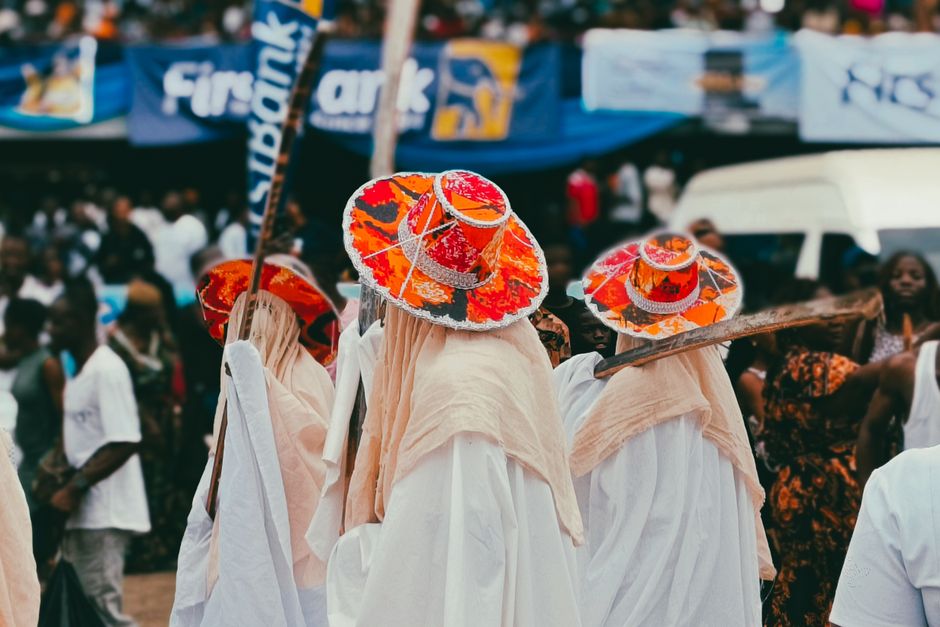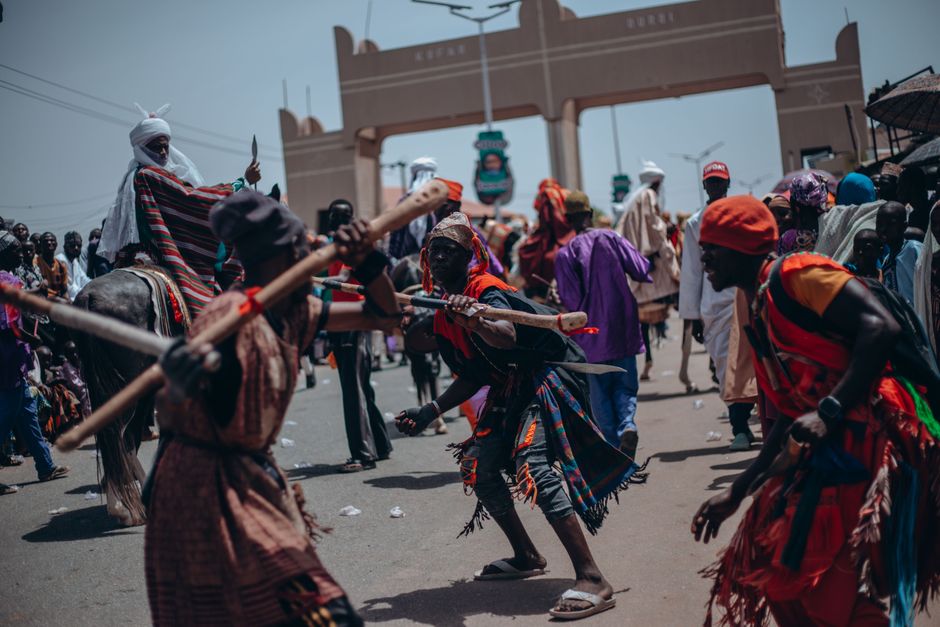
East Africa is a region that resonates with cultural diversity, distinct traditions, and a heritage that captivates the curious traveler. From the rhythmic beats of bongo music to the vibrant patterns of Maasai shukas, every aspect of East African culture invites exploration and appreciation. If you've ever been curious about the lifestyle, customs, and traditions of this enchanting part of Africa, you're in for a treat.
For Nigerian readers, the journey through East African culture is not just an exploration of differences but a celebration of shared African heritage. Whether you're planning a trip or simply wish to enrich your cultural knowledge, understanding East Africa's unique cultural tapestry promises a rewarding experience.
The Heartbeat of East African Music
Bongo Flava: Tanzania's Pop Jewel
Originating from Tanzania, Bongo Flava is a musical genre that combines Swahili lyrics with international sounds like hip-hop and R&B. It mirrors the urban youth's aspirations and daily life, making it immensely popular not only in Tanzania but across the region.
- Artists to Know: Diamond Platnumz, Alikiba, and Harmonize are some of the prominent figures in the Bongo Flava scene.
- Essential Tracks: Dive into tracks like "Jeje" by Diamond Platnumz or "Aje" by Alikiba to get a feel for the genre.
"Bongo Flava is to Dar es Salaam what Afrobeats is to Lagos—a soundtrack that pulsates with the culture's heartbeat."
The Rhythms of Kenya: From Taarab to Ohangla
Kenyan music is a melting pot of styles, influenced by its various ethnic groups and historical trade routes. Taarab, with its Arab and Indian influences, and Ohangla, with its traditional Luo roots, showcase the country's rich musical heritage.
- Taarab: Often performed at coastal weddings, Taarab combines Swahili poetry with melodic Arabic instruments.
- Ohangla: Known for its fast-paced beats and energetic performances, it's a staple at Luo celebrations.
Art and Craftsmanship: A Visual Feast
Maasai Beadwork: Tradition and Identity
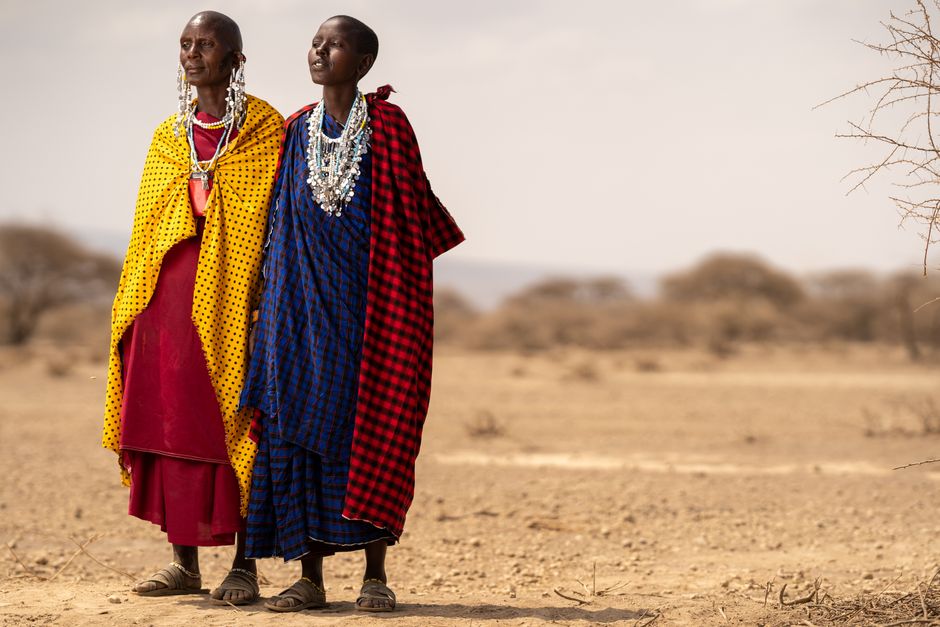
The Maasai community is renowned for its exquisite beadwork, which serves not just as adornment but as a symbol of identity and status. Each color and pattern tells a story, often linked to nature or spirituality.
- Colors and Meanings: Red represents bravery, white signifies purity, and blue is the color of the sky, reflecting harmony.
- Where to Experience: Visit Maasai Market in Nairobi for a firsthand look at this incredible craftsmanship.
Ugandan Art: From Bark Cloth to Contemporary Creations
Uganda's art scene is as diverse as its landscapes. Traditional crafts like bark cloth making coexist with contemporary art forms in bustling Kampala galleries.
- Bark Cloth: Made from the bark of the mutuba tree, it's used for clothing, rituals, and art.
- Contemporary Art: Explore Afriart Gallery to witness modern Ugandan art pushing creative boundaries.
Cultural Festivals: Celebrations of Heritage
Zanzibar's Sauti za Busara: A Melodic Meeting Ground
Held annually in February, Sauti za Busara is a music festival that lights up Stone Town with performances from across Africa. It's a celebration of cultural diversity and musical talent.
"Sauti za Busara is more than a festival; it's a cultural exchange that echoes across the Indian Ocean."
Kenyatta Day: Honoring Heroes
Every October 20th, Kenya celebrates Kenyatta Day, honoring the heroes of the country's struggle for independence. Festivities include parades, storytelling, and cultural exhibitions.
- Historical Significance: Named after Jomo Kenyatta, the country's first President, the day celebrates resilience and freedom.
- Local Celebrations: Join the locals in Nairobi for a day filled with national pride and historical reflection.
Cuisine: A Culinary Exploration
Swahili Cuisine: A Fusion of Flavors
The coastal regions of East Africa offer a culinary delight known as Swahili cuisine, which is a fusion of African, Arab, and Indian influences.
- Zanzibar Spice Tour: Discover the spices that give Zanzibari food its unique flavor, from cloves to cardamom.
- Must-Try Dishes: Sample dishes like pilau rice, coconut fish curry, and chapati.
Ugali: A Staple Across the Region
Ugali is a beloved dish across East Africa, akin to Nigeria's pounded yam. It's a simple maize flour dish that's often paired with savory stews.
- Regional Variations: In Kenya, it's often served with sukuma wiki (collard greens), while in Uganda, it might accompany nyama (meat).
- Cooking Experience: Take a local cooking class to learn how to make this staple dish yourself.
Conclusion
East African culture is a vibrant tapestry woven from the threads of music, art, festivals, and cuisine. It's a region where tradition meets modernity, offering a rich landscape for exploration and understanding. Whether you're drawn to the rhythmic beats of Bongo Flava, the colorful patterns of Maasai beadwork, or the tantalizing flavors of Swahili cuisine, East Africa's cultural heritage has something to offer every curious traveler.
As you delve deeper into the traditions and customs of East Africa, remember that these experiences not only enrich your knowledge but also foster a deeper connection to our shared African roots. So, pack your curiosity and let East Africa's culture captivate your senses.