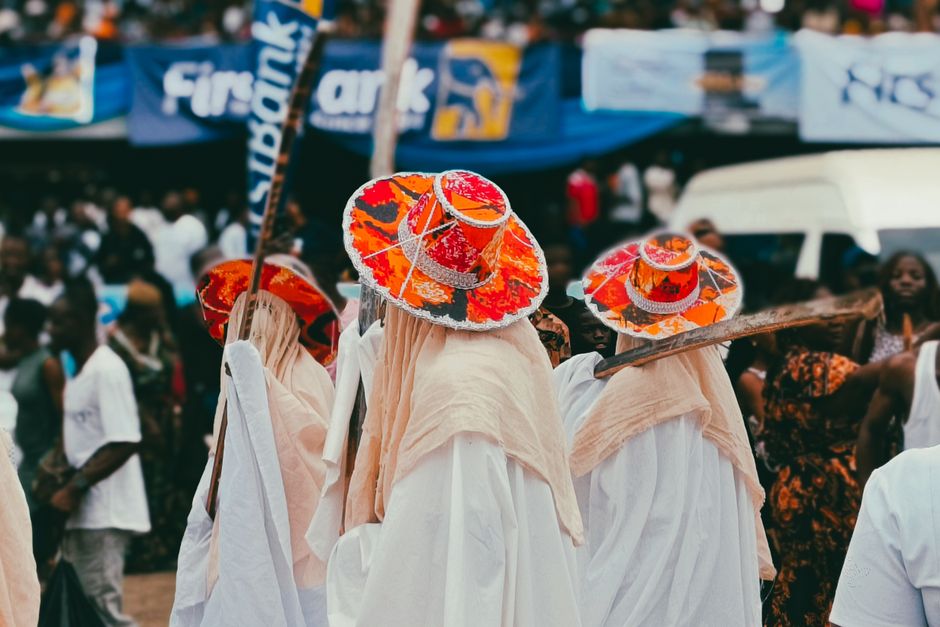
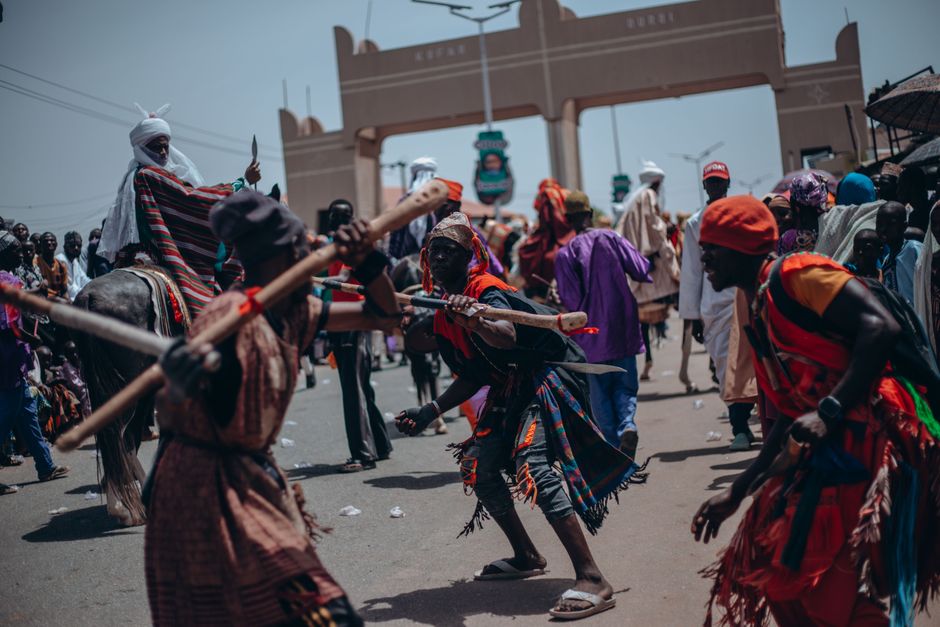
West Africa is a region of profound diversity and vibrancy, where tradition seamlessly blends with modernity. For Nigerian readers, exploring the rich tapestry of West African culture offers a unique opportunity to delve into the heritage that shapes the identity of this fascinating region. Whether it's the rhythmic beats of the djembe, the tantalizing flavors of jollof rice, or the colorful pageantry of traditional festivals, West Africa is a cultural melting pot waiting to be discovered.
The primary keyword, 'West African culture,' is central to understanding this compelling journey. From the bustling markets of Lagos to the serene landscapes of Benin, each nation adds its unique stroke to the grand mural that is West African culture. This article will guide you through the essential elements that make this region so enchanting, offering insights and tips for an enriching cultural experience.
As a Nigerian, you'll find familiar threads woven through the stories and traditions of neighboring countries, yet discover new facets of a shared heritage that might surprise and inspire you. Whether planning a trip or simply curious about the cultural wealth of the region, this exploration of West African culture is designed to enlighten and engage.
The Diversity of West African Languages
One of the most defining aspects of West African culture is its linguistic diversity. With over 500 languages spoken across the region, language is not just a means of communication but a marker of identity and tradition.
The Role of Indigenous Languages
Indigenous languages form the backbone of cultural expression in West Africa. They're intertwined with the traditions, stories, and daily lives of millions, providing a sense of belonging and continuity.
- Yoruba: Predominantly spoken in Nigeria, Yoruba is rich in proverbs and oral literature, offering insights into the philosophies and beliefs of its people.
- Hausa: As one of the most widely spoken languages in West Africa, Hausa serves as a lingua franca in several countries, facilitating trade and cultural exchange.
The Influence of Colonial Languages
Colonial history has left an indelible mark on the linguistic landscape, with English, French, and Portuguese serving as official languages in many West African countries.
"Language is the roadmap of a culture. It tells you where its people come from and where they are going." – Rita Mae Brown
This dual linguistic heritage enriches the cultural tapestry, allowing for a unique blend of traditional and modern expressions.
The Culinary Delights of West Africa
West African cuisine is a delightful fusion of robust flavors and aromatic spices, reflecting the region's agricultural bounty and historical trade routes.
Staple Foods and Ingredients
From cassava to millet, staple foods play a crucial role in the diets of West Africans, each offering a distinctive taste and nutritional value.
- Jollof Rice: A beloved dish across West Africa, jollof rice is a party favorite, with each country claiming its version as the best.
- Fufu: Whether made from yams, cassava, or plantains, fufu is a starchy side dish that pairs perfectly with hearty soups and stews.
Traditional Dishes and Modern Twists
While tradition is vital, West African cuisine is not static. Chefs and food enthusiasts are blending traditional flavors with modern techniques, creating exciting culinary experiences.
"Food brings us together, transcending borders and generations." – Unknown
Exploring West African cuisine is a journey through time, where every meal tells a story of the land and its people.
The Vibrant Festivals and Ceremonies
Festivals in West Africa are a riot of color, music, and dance, celebrating everything from harvests to historical events.
Iconic Festivals You Can't Miss
West African festivals are as diverse as the region itself, each offering a glimpse into the cultural and spiritual life of its people.
- Eyo Festival: Held in Lagos, this festival features masquerades and processions, honoring the ancestors and spirits.
- Fête de la Musique: Celebrated in Benin and Togo, this music festival showcases local and international artists, highlighting the region's musical heritage.
The Role of Ceremonies in Community Life
Ceremonies mark life's milestones, from births to marriages, serving as communal gatherings that strengthen social bonds.
"In West Africa, festivals are not just events; they are the heartbeat of cultural life." – Dr. Afolabi Awosanya
Participating in these events offers a deeper understanding of the values and traditions that bind communities together.
Art and Craftsmanship: A Legacy of Creativity
West African art is a testament to the creativity and ingenuity of its people, with each piece telling a story rich in symbolism and history.
Traditional Crafts and Modern Innovations
From intricate beadwork to bold textile designs, West African craftsmanship is renowned for its beauty and functionality.
- Kente Cloth: Originating from Ghana, kente cloth is a symbol of identity and pride, with each pattern conveying a specific meaning.
- Bronze Sculptures: The Benin Bronzes are world-famous, showcasing the skill and artistry of ancient metalworkers.
The Role of Art in Cultural Expression
Art in West Africa is not just decorative but deeply embedded in cultural and spiritual practices, serving as a medium for storytelling and preservation of history.
"Art is the soul of the people, a reflection of their hopes, dreams, and struggles." – Dr. Nnamdi Okeke
Exploring the artistic traditions of West Africa provides insights into the region's cultural heritage and its evolution over time.
Conclusion
As we have journeyed through the landscapes of West African culture, it becomes evident that each element—language, cuisine, festivals, and art—plays a crucial role in defining the region's identity. For Nigerian readers, this exploration offers not only a connection to shared cultural threads but also an invitation to celebrate the diversity that makes West Africa a cultural treasure trove.
Whether you're planning to visit or simply wish to enrich your understanding of this vibrant region, embracing the cultural nuances of West Africa will undoubtedly offer a rewarding experience.