Nigeria, known as the 'Giant of Africa', is a country with a vibrant tapestry of cultures, languages, and traditions. From the bustling streets of Lagos to the serene landscapes of the north, Nigeria offers a rich cultural experience that captivates both locals and tourists alike. For Nigerian readers looking to explore the depth of their own culture, or visitors seeking an authentic African experience, understanding the intricacies of Nigerian cultural diversity is key to appreciating the nation's spirit.
The heart of Nigerian culture lies in its people and their way of life. With over 250 ethnic groups and more than 500 languages, Nigeria is a melting pot of traditions, beliefs, and customs. This diversity is evident in its music, art, cuisine, and festivals, each offering a unique perspective on what it means to be Nigerian. Let's embark on a journey through Nigeria's cultural landscape and uncover the elements that make it truly extraordinary.
The Diversity of Nigerian Ethnic Groups
The Major Ethnic Groups
Nigeria's ethnic diversity is one of its defining characteristics. The country is home to three major ethnic groups: the Yoruba, the Hausa, and the Igbo. Each of these groups has its distinct language, traditions, and cultural practices that contribute to Nigeria's overall cultural identity.
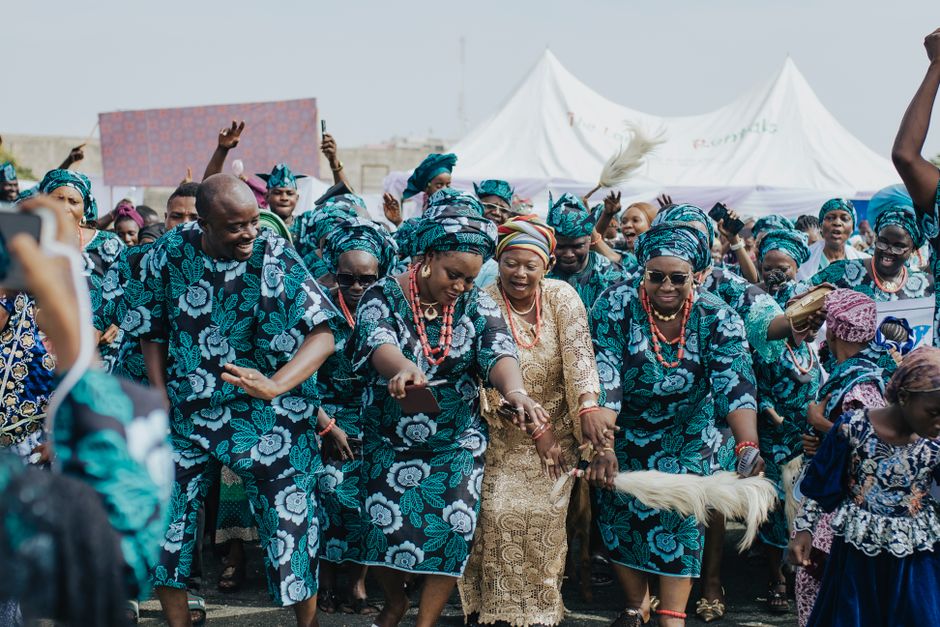
- Yoruba: Predominantly found in the southwestern part of Nigeria, the Yoruba people are known for their rich cultural heritage, traditional beliefs, and vibrant festivals. The Yoruba language is widely spoken and has influenced many aspects of Nigerian culture.
- Hausa: The Hausa are predominantly located in the northern region. Known for their Islamic influence, the Hausa culture is reflected in their architecture, clothing, and cuisine. The Hausa language serves as a lingua franca in many northern states.
- Igbo: The Igbo people reside mainly in the southeastern part of Nigeria. They are known for their entrepreneurial spirit, colorful festivals such as the New Yam Festival, and their unique traditional attire.
Minority Ethnic Groups
Aside from the major ethnic groups, Nigeria is home to numerous minority ethnic groups, each contributing to the country's cultural mosaic. These groups include the Tiv, Kanuri, Ibibio, and many others, each with distinct languages and traditions.
"Embracing Nigeria's ethnic diversity is key to understanding its cultural richness. Every ethnic group adds a unique thread to the national fabric."
Languages and Communication
Official Language: English
English serves as Nigeria's official language, a legacy of its colonial past. It is used in government, education, and media, serving as a unifying factor in a country with such linguistic diversity.
Indigenous Languages
Nigeria's indigenous languages are a vital part of its cultural identity. The Yoruba, Igbo, and Hausa languages are widely spoken, but there are hundreds of other languages that play crucial roles in regional communication and cultural preservation.
"Learning a few basic phrases in an indigenous language can open doors to deeper cultural connections and understanding."
Nigerian Festivals and Celebrations
The Durbar Festival
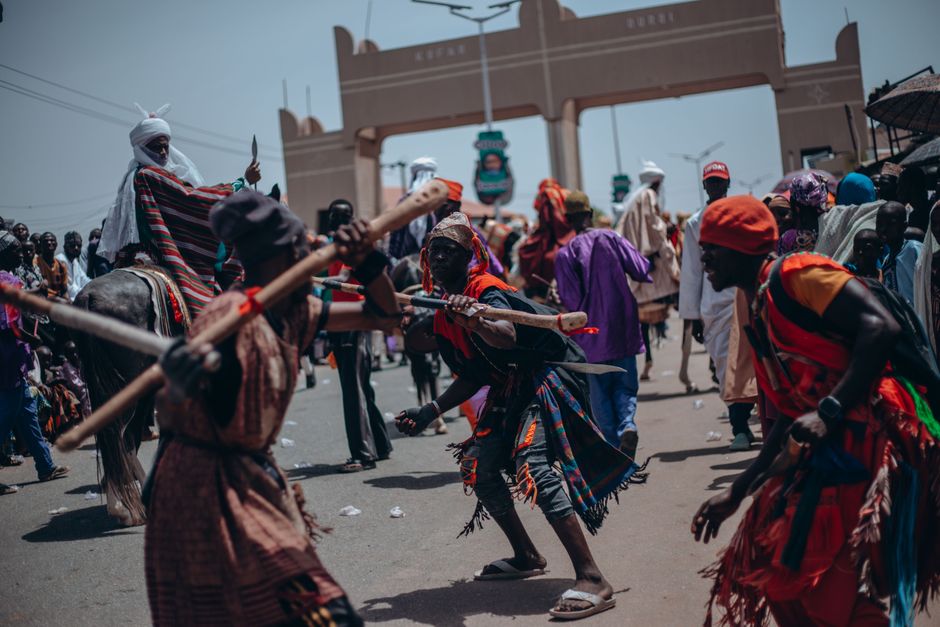
The Durbar Festival is a grand celebration that takes place in the northern cities of Kano, Katsina, and Zaria. It marks the end of Ramadan and features a vibrant display of horse riding, colorful costumes, and traditional music, celebrating the region's Islamic and royal heritage.
The Eyo Festival
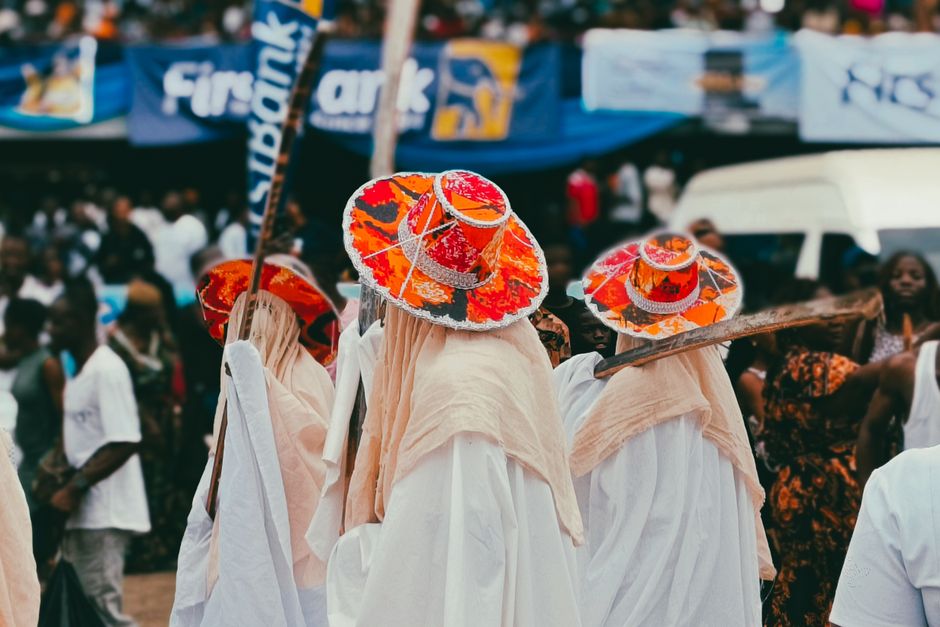
Held in Lagos, the Eyo Festival is a stunning display of traditional masquerade. Participants, known as 'Eyo', dress in white robes and hats, parading through the streets in a spectacular procession. This festival is a symbol of Lagos's cultural heritage and its role in the evolution of Yoruba culture.
The New Yam Festival
Celebrated by the Igbo people, the New Yam Festival marks the end of the farming season and the beginning of the harvest. It is a time of thanksgiving, feasting, and traditional dances, symbolizing prosperity and community.
Nigerian Cuisine: A Taste of Culture
Popular Dishes
- Jollof Rice: A staple dish in Nigerian cuisine, Jollof Rice is a flavorful mix of rice, tomatoes, peppers, and spices. It is often served at parties and gatherings, symbolizing unity and celebration.
- Pounded Yam and Egusi Soup: Pounded Yam is a smooth, starchy side dish typically served with Egusi Soup, a thick, hearty soup made from ground melon seeds, vegetables, and meat. It's a favorite across Nigeria's varied culinary landscape.
- Suya: A popular street food, Suya is spicy grilled meat skewers, often enjoyed in the evenings with friends and family.
The Role of Food in Nigerian Culture
Food plays a central role in Nigerian culture. It is not just a means of sustenance but a way of bringing people together, celebrating milestones, and preserving traditional cooking techniques and flavors.
"Through food, we connect with our roots, our family, and our community. It is a language of love and tradition in Nigeria."
Conclusion
Nigeria's cultural landscape is as diverse as it is vibrant, offering a rich tapestry of traditions, languages, and celebrations that define the nation's identity. Exploring Nigerian culture is a journey through history, diversity, and unity, all woven into the daily lives of its people. Whether you're a Nigerian looking to reconnect with your cultural roots or a visitor eager to experience the heartbeat of West Africa, embracing the diversity and richness of Nigerian culture promises an unforgettable experience.