East Africa, home to a myriad of cultures, boasts one of the most iconic ethnic groups known worldwide: the Maasai. Rooted in deep tradition and rich history, the Maasai people have captured the interest of many, from travelers to anthropologists. Their vibrant attire, symbolic rituals, and semi-nomadic lifestyle present a fascinating glimpse into a world where modernity and tradition coexist. For Nigerian travelers, exploring the Maasai culture offers a chance to connect with a unique African heritage that resonates with the shared values of community, respect, and resilience.
Let's embark on a journey to understand the Maasai better. What makes their way of life so captivating, and how do they maintain their traditions amidst a rapidly changing world? From the rolling plains of the Serengeti to the bustling markets in Kenya and Tanzania, the Maasai culture stands as a testament to the enduring spirit of Africa.
Whether you're planning a trip to East Africa or simply want to learn more about one of the continent's most talked-about cultures, this guide will serve as your gateway to understanding the Maasai's enduring legacy.
Understanding the Maasai Lifestyle
The Semi-Nomadic Existence
The Maasai are renowned for their semi-nomadic lifestyle, traditionally moving their cattle between seasonal pastures. This way of life is not just about survival; it is deeply intertwined with their cultural identity. The movement allows them to sustainably manage their resources, ensuring the health and vitality of their herds, which are central to Maasai life.
The Maasai's semi-nomadic lifestyle is a delicate balance between tradition and environmental stewardship, showcasing their profound connection to the land.
Cultural Practices and Social Structure
Within the Maasai community, social structure is pivotal. The society is organized into age-sets, with each group responsible for specific duties. This age-based system fosters a strong sense of responsibility and continuity, forging bonds that last a lifetime.
For instance, the rite of passage for young Maasai men, known as the 'Eunoto', marks a transition from warrior to elder, celebrating bravery, endurance, and wisdom. Such ceremonies are a vital part of their cultural preservation efforts, maintaining a link between generations.
The Vibrant Attire and Symbolic Jewelry
Colorful Shukas and Beaded Adornments
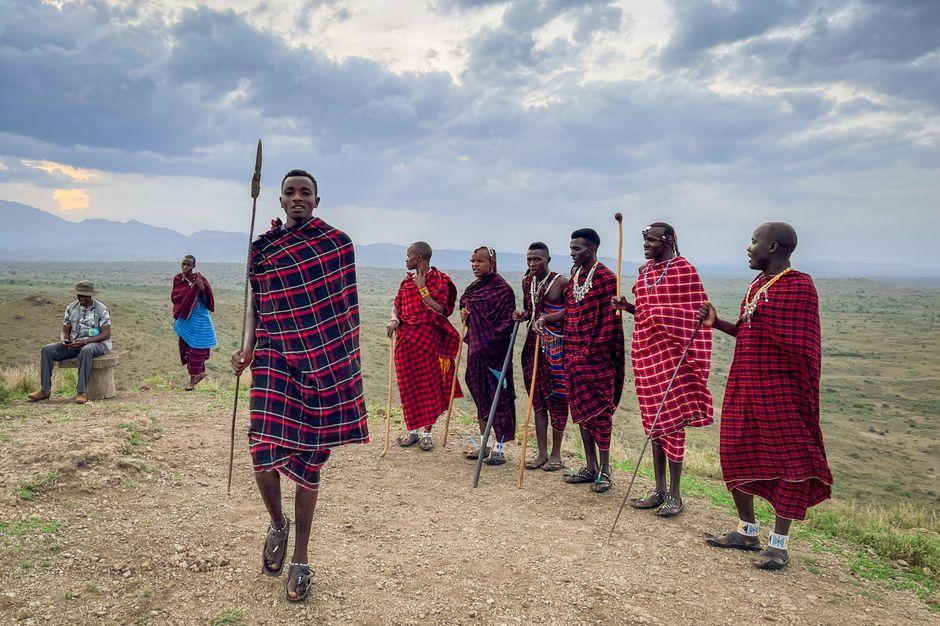
One cannot discuss the Maasai without mentioning their striking attire. The 'shuka', a brightly colored cloth worn by both men and women, is as functional as it is symbolic. Each color holds meaning, from red symbolizing bravery to blue representing the sky and water.
Maasai jewelry, particularly the intricately beaded necklaces and bangles, tells stories of identity, status, and beauty. Crafted by Maasai women, these adornments are not merely decorative; they are a canvas of cultural expression.
- Red: Signifies courage and strength.
- Blue: Represents the sky and God's provision.
- Green: Symbolizes health and land fertility.
The Role of Beadwork in Maasai Society
Beadwork plays a significant role in Maasai culture. It is a form of communication and identity, often indicating the wearer's social status or marital status. During celebrations or rituals, the intricate designs become even more elaborate, showcasing the artistic skills passed down through generations.
Maasai beadwork is not just art; it is a language that speaks of history, heritage, and identity.
Traditional Maasai Diet and Cuisine
The Importance of Cattle
Cattle are at the heart of Maasai life. They provide food, clothing, and a measure of wealth and social status. The traditional Maasai diet is predominantly based on milk, meat, and occasionally, blood. This diet is a testament to their adaptation to the environment and resourcefulness.
In times of celebration or ritual, cattle are central to the festivities, symbolizing wealth and prosperity. The sharing of cattle products reinforces community bonds and showcases the Maasai's generous spirit.
Adapting to Modern Influence
While the traditional diet remains, the Maasai are increasingly integrating modern foods into their cuisine. This shift reflects broader changes within their society, as they navigate between maintaining their cultural heritage and adapting to new influences.
- Experimenting with agricultural produce like maize and vegetables.
- Incorporating modern cooking methods for convenience and variety.
Engaging with the Maasai: Tourism and Cultural Exchange
Responsible Tourism Practices
Tourism offers a unique opportunity for cultural exchange, allowing visitors to immerse themselves in Maasai life. However, it's essential for travelers to engage responsibly, ensuring that their presence supports rather than disrupts the community.
Participating in community-led tours or staying in Maasai-owned lodges not only enriches the travel experience but also provides direct economic benefits to the locals.
When visiting Maasai communities, respect and sensitivity are crucial in fostering genuine cultural exchange.
Experiencing Maasai Ceremonies and Festivities
Many visitors find attending Maasai ceremonies and festivities to be a highlight of their trip. These events offer a window into the community's rich traditions, from the rhythmic chants of traditional songs to the energetic jumps of the 'adumu' dance.
Such experiences leave a lasting impression, promoting greater understanding and appreciation of the Maasai way of life.
Preserving Maasai Culture for Future Generations
Challenges and Opportunities
Despite their resilience, the Maasai face numerous challenges, from land rights issues to climate change. These external pressures threaten their traditional lifestyle, prompting the need for strategies that balance preservation with progress.
Efforts to document and promote Maasai culture through education and media play a crucial role in its preservation. Initiatives that empower the younger generation to embrace their heritage while equipping them with modern skills are vital for the community's future.
Empowering the Next Generation
The future of the Maasai lies in the hands of its youth. Programs focusing on education, skill development, and cultural awareness are essential in ensuring the continuity of their traditions.
- Encouraging education that respects traditional knowledge.
- Supporting initiatives that bridge traditional and modern practices.
Conclusion
The Maasai culture is a vibrant tapestry of tradition, resilience, and adaptability. As they navigate the challenges of a modern world, their enduring spirit continues to inspire and captivate. For Nigerian travelers, engaging with the Maasai offers a profound connection to the richness of African heritage, highlighting the diversity and unity that defines our continent.
Whether you visit the vast savannahs of East Africa or explore their stories from afar, the Maasai represent a living testament to the strength and beauty of indigenous cultures worldwide.