East Africa, with its rich tapestry of cultures, is a region that offers profound insights into the heart of the African continent. From the rhythmic beats of traditional music to the colorful festivals that light up the streets, East Africa is a cultural gem waiting to be explored. Whether you're a seasoned traveler or a curious adventurer, the diverse cultures of East Africa provide a captivating journey into the lives and traditions of its people.
As a Nigerian reader, you might find several parallels and contrasts between the vibrant cultures of East Africa and our own. With this guide, you'll discover how deeply rooted traditions continue to shape the East African way of life, much like our cherished customs back home. Let's dive into the kaleidoscopic world of East African culture and see what makes it truly unique.
The Diversity of East African Cultures
Tribal Traditions and Languages
East Africa is home to a myriad of tribes, each with its own unique cultural practices and languages. With over 160 ethnic groups, the region is a melting pot of traditions and dialects.
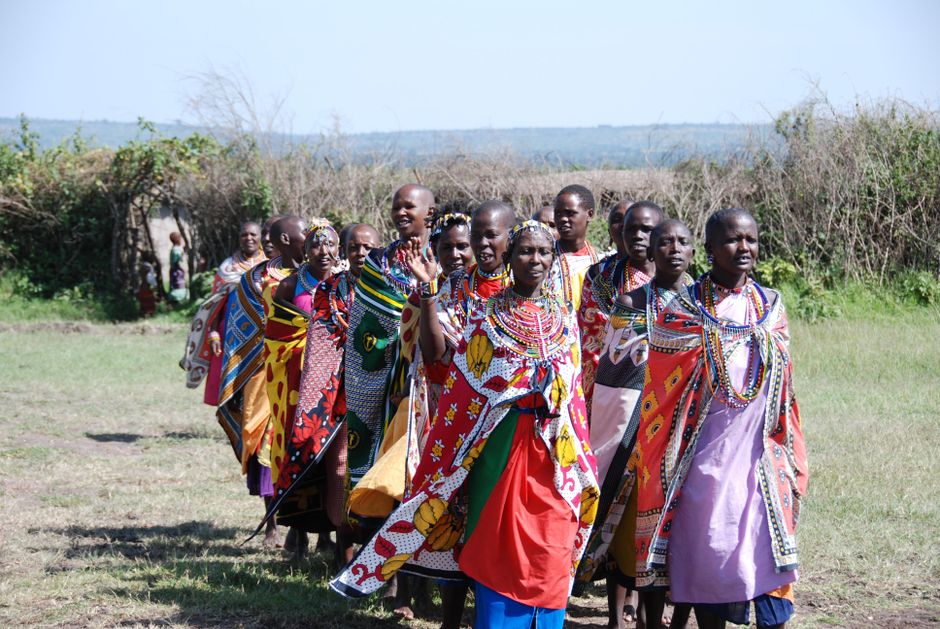
- The Maasai: Known for their distinct red shukas and intricate beadwork, the Maasai tribe is synonymous with East African culture. Their age-old customs and deep connection to nature make them one of the most recognizable tribes.
- The Swahili People: As coastal inhabitants, the Swahili culture is a blend of African, Arab, and Persian influences, giving rise to a unique language and vibrant cultural expressions.
- The Kikuyu: As the largest ethnic group in Kenya, the Kikuyu have a rich tradition of storytelling and oral literature, reflecting their deep historical roots.
Languages Spoken
Language plays a crucial role in the cultural identity of East Africa. Swahili, being the lingua franca, is widely spoken across the region, uniting diverse groups under a common tongue.
"Swahili is more than just a language; it's a bridge that connects diverse cultures across East Africa."
In addition to Swahili, other languages such as Kikuyu, Luo, and Kinyarwanda are also prevalent, each contributing to the rich linguistic diversity.
Music and Dance
Traditional Music
Music in East Africa is a harmonious blend of traditional rhythms and modern influences. Instruments like the mbira, ngoma drums, and the nyatiti lyre create soulful melodies that resonate with the life and spirit of the people.
Dance as Expression
Dance is an integral part of East African culture. From the energetic leaps of the Maasai warriors to the graceful movements of the Baganda dances, each performance tells a story and celebrates communal ties.
- The Wagogo Dance: Known for its vibrant energy, the Wagogo dance from Tanzania is a celebration of life and unity.
- The Taarab Music: Popular along the Swahili coast, Taarab combines African, Arab, and Indian melodies, offering a soulful listening experience.
Festivals and Celebrations
Major Festivals
Festivals in East Africa are a vibrant display of cultural heritage and community spirit. They provide an opportunity for locals and tourists alike to partake in the joyous festivities.
- The Lamu Cultural Festival: Held annually in Kenya, this festival is a showcase of the rich Swahili culture, featuring dhow races, traditional dances, and poetry readings.
- The Zanzibar International Film Festival: Celebrating the arts, this festival brings together filmmakers, musicians, and artists from across the continent.
Rituals and Ceremonies
Rituals and ceremonies play a significant role in marking life events and milestones in East African cultures. These traditions are deeply rooted in the community's ethos, providing a sense of identity and belonging.
"Ceremonies in East Africa are not just events; they are a testament to the enduring cultural legacies that bind communities together."
Crafts and Artisanal Heritage
Handicrafts and Art
The artisanal heritage of East Africa is reflected in its exquisite handicrafts, which are cherished both locally and globally. Each piece is a masterpiece, embodying the skill and creativity of the artisans.
- Beadwork of the Maasai: Intricate bead designs are more than decorative; they represent social status and cultural heritage.
- Makonde Art: Known for their intricate wood carvings, the Makonde people are celebrated for their craftsmanship and artistic expression.
Markets and Artisan Groups
Visiting local markets and artisan groups provides a glimpse into the vibrant economies of East African communities. These spaces are rich in culture, offering an array of traditional goods and crafts.
Cuisine of East Africa
Traditional Dishes
East African cuisine is a delightful fusion of flavors, characterized by the use of fresh, local ingredients. Staple dishes vary across regions, offering a diverse culinary experience.
- Ugali: A staple across East Africa, ugali is a cornmeal porridge served with a variety of stews and vegetables.
- Nyama Choma: A beloved dish, nyama choma (grilled meat) is a must-try for anyone visiting the region.
Influence of Trade and Migration
The historical trade routes and migration patterns have influenced East African cuisine, introducing spices and cooking techniques that enrich the culinary landscape.
"The flavors of East African cuisine tell stories of migration, trade, and cultural exchange, making each dish a culinary journey."
Conclusion
East Africa, with its rich cultural tapestry, offers a unique opportunity to explore the diverse traditions that define its people. From the languages and music to the art and cuisine, every aspect of East African culture is a testament to the region's historical depth and vibrant spirit. As you immerse yourself in this cultural odyssey, you'll find that the beauty of East Africa lies not only in its landscapes but also in the warmth and resilience of its people.
Whether you are planning a visit or simply want to learn more about this fascinating part of the world, East Africa promises a cultural experience that is both enlightening and inspiring. Embrace the journey and discover the heart of Africa like never before.