East Africa is a captivating region rich in cultural diversity and history. For Nigerian travelers seeking to explore beyond the familiar, East Africa offers a tapestry of traditions, languages, and customs that are as vibrant as they are enriching. In this article, we'll delve into the heart of East Africa's cultural landscape, shedding light on the unique practices that define this region.
Whether it's the rhythmic beats of local music, the intricate artistry of traditional crafts, or the profound spiritual beliefs, every element of East African culture offers a story waiting to be told. Join us as we journey through the bustling streets of Nairobi, the serene landscapes of Tanzania, and the coastal treasures of Zanzibar to uncover the soul of East Africa.
The Diverse Cultures of East Africa
The Maasai: Guardians of the Savannah
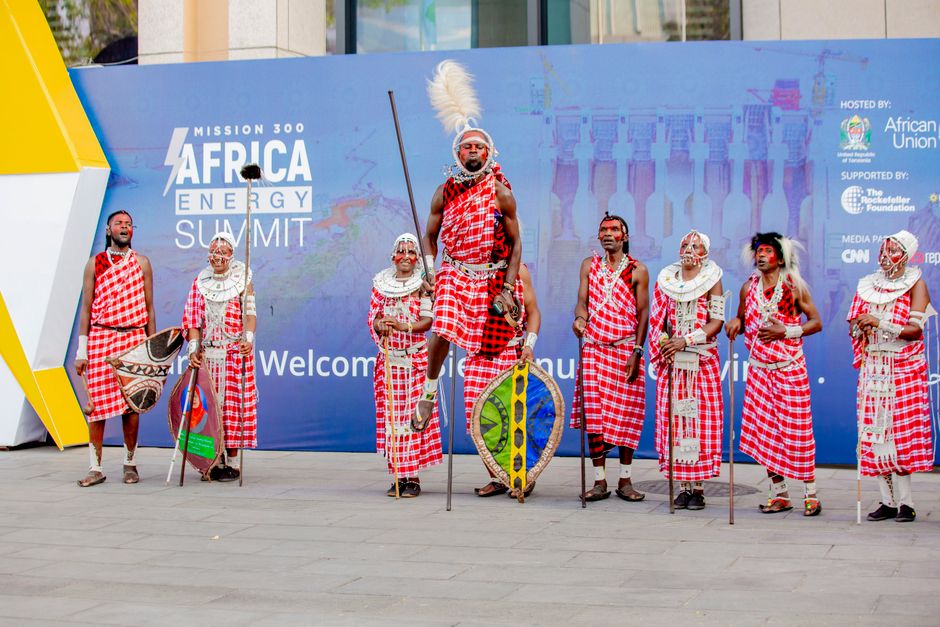
The Maasai people are perhaps one of the most well-known ethnic groups in East Africa. Renowned for their distinctive dress and vibrant customs, the Maasai have maintained their semi-nomadic lifestyle amidst modernity's encroachment.
Visitors to Kenya and Tanzania can immerse themselves in Maasai culture through village tours, where traditional dances and ceremonies offer glimpses into their way of life. The Maasai's deep connection to the land and wildlife conservation efforts provide valuable lessons in sustainability that resonate globally.
Swahili Culture: A Coastal Legacy
Along the East African coast, the Swahili culture flourishes, blending African, Arab, and Indian influences. This unique cultural fusion is evident in architecture, cuisine, and local customs.
Exploring the labyrinthine alleys of Zanzibar’s Stone Town, a UNESCO World Heritage site, reveals the rich history and artistry of the Swahili people. Don't miss the chance to taste Swahili cuisine, which offers flavorful dishes like pilau and biryani, pairing perfectly with a refreshing glass of hibiscus juice.
Traditional Music and Dance
The Rhythms of the Luo
The Luo people, primarily found in western Kenya, are celebrated for their vibrant musical and dance traditions. Instruments like the nyatiti and orutu create distinctive sounds that accompany energetic dances performed at cultural festivals and ceremonies.
For those keen to experience Luo music firsthand, festivals such as the Luo Festival in Kisumu showcase a lively celebration of rhythm, storytelling, and community spirit.
The Ugandan Kadodi
In Uganda, the Kadodi dance is a dynamic performance that marks significant cultural events. This energetic dance, accompanied by rhythmic drumming, is integral to ceremonies in the eastern region of Uganda.
Visitors attending local celebrations can witness the Kadodi dance, providing an intimate understanding of Ugandan cultural expressions and the communal joy it fosters.
Culinary Delights of East Africa
Nyama Choma: A Kenyan Favorite
For Nigerians familiar with suya, Kenya's nyama choma offers a delightful culinary parallel. This roasted meat dish, often served with ugali and kachumbari, is a staple at Kenyan gatherings and social events.
"Nyama choma is more than just food; it's an experience that brings people together over shared stories and laughter."
Ugali and Sukuma Wiki
Ugali, a cornmeal staple akin to Nigerian eba, is a versatile dish served across East Africa. Paired with sukuma wiki, a sautéed green vegetable similar to spinach, this meal is both nourishing and deeply rooted in local traditions.
Trying ugali and sukuma wiki provides a culinary snapshot of East African home-cooked meals, offering insights into daily life and hospitality.
Spiritual Beliefs and Practices
The Role of Ancestors
Ancestral reverence is a common thread across many East African cultures. The belief in ancestors' spirits influencing the living is particularly strong among communities like the Kikuyu in Kenya.
Engaging with local communities during rituals or ancestral ceremonies offers visitors a deeper appreciation of East Africa's spiritual dimensions and the respect for lineage and heritage.
Traditional Healers and Herbal Medicine
The role of traditional healers is significant in East African societies, where herbal medicine and spiritual healing are interwoven into daily life. These practices offer alternative perspectives on health and wellness, emphasizing natural remedies and holistic care.
Participating in a session with a traditional healer can be a transformative experience, revealing the intricate links between culture, health, and the natural environment in East Africa.
Conclusion
East Africa's cultural richness is a testament to its historical depth and the vibrant communities that call this region home. For Nigerian travelers, exploring these cultural landscapes provides not only an opportunity to learn but also to reflect on the shared African heritage that binds us all.
As you plan your journey to East Africa, let the diversity of its cultures inspire and guide you towards understanding the vast tapestry that is our continent's legacy. Whether it's the warmth of the people, the beauty of the landscapes, or the enduring traditions, East Africa promises an unforgettable cultural odyssey.