Nigeria, the giant of Africa, is renowned for its diverse cultures and vibrant traditions. Its richness is best experienced through its cuisine and cultural practices, which reflect the heart and soul of its people. As a Nigerian reader, you might find these culinary paths familiar, but there's always something new to discover or a deeper perspective to gain. In this article, we delve into the magic of Nigerian cuisine and culture, offering a fresh lens on what makes it so captivating.
For anyone looking to explore the essence of Nigeria, understanding its food and culture is essential. Let's embark on this journey to appreciate how these elements intertwine to create a tapestry that is uniquely Nigerian. Whether you're savoring jollof rice at a bustling Lagos street market or participating in a traditional Igbo festival, there's always more to explore.
The Rich Tapestry of Nigerian Cuisine
Popular Dishes that Define Nigerian Palate
When it comes to Nigerian dishes, there are staples that every household knows and loves. These meals not only nourish but also tell stories of the regions they originate from.
- Jollof Rice: Often considered the crown jewel of Nigerian cuisine, this vibrant, spicy rice dish is a party favorite. It ignites friendly rivalries with other West African nations over who cooks it best.
- Egusi Soup: Made from melon seeds, Egusi is a deliciously thick soup that’s typically enjoyed with pounded yam or fufu. Its unique flavor is an embodiment of Nigerian comfort food.
- Suya: A skewered spicy meat delight, Suya is Nigeria's answer to kebabs. It's a street food favorite, perfect for night snacking.
Regional Variations: A Culinary Journey
Nigeria's vastness means that its culinary scenes offer incredible variety. Each region brings something different to the table.
"To travel is to eat, and to eat in Nigeria is to experience the soul of a nation."
In the north, you'll find meals like Tuwo Shinkafa and Miyan Kuka, reflecting the Sahelian climate, while the south offers seafood-rich dishes like Banga Soup, thanks to its coastal location.
Cultural Practices and Festivities
Festivals: A Celebration of Life
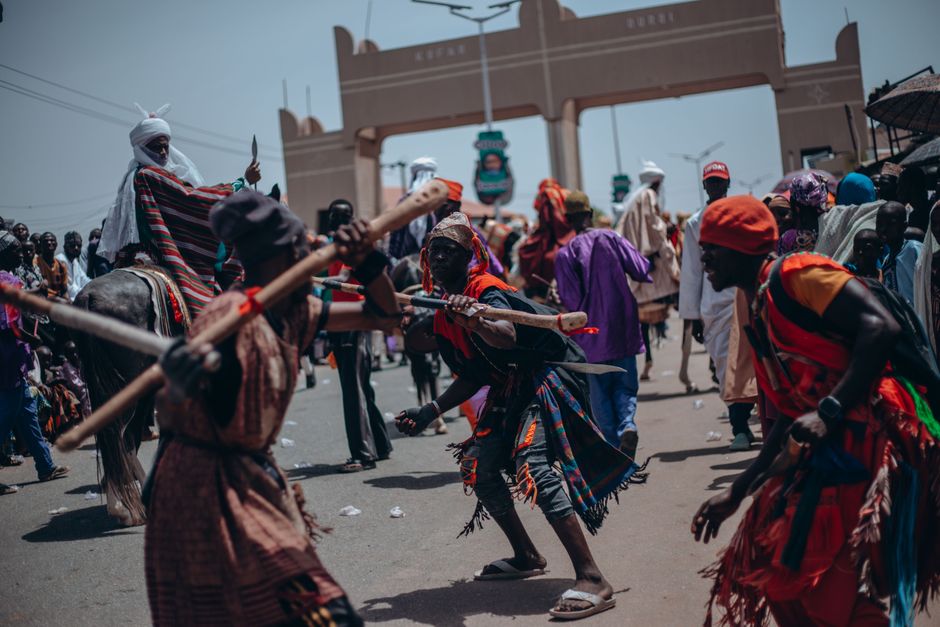
Nigerian festivals are a sight to behold, often featuring elaborate dress, music, and dance. They are perfect windows into the country's diverse cultures.
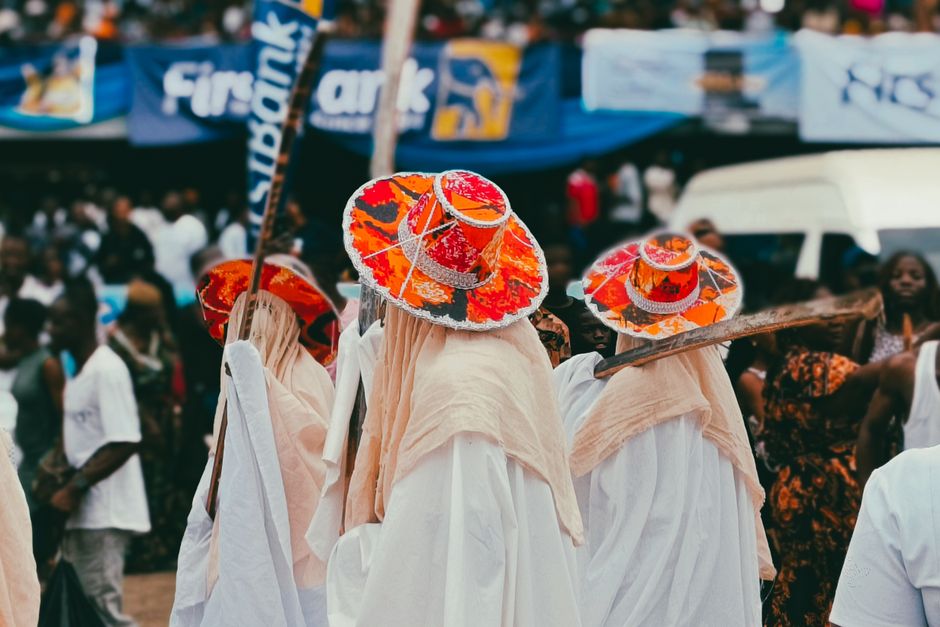
- Eyo Festival: This iconic festival in Lagos is a procession to honor the dead but also a celebration of Yoruba culture, featuring masquerades clad in white flowing robes.
- New Yam Festival: Held annually, this Igbo festival marks the end of the farming season and is a time of thanksgiving for the harvest.
Traditional Attire: More Than Just Clothing
Traditional Nigerian attire is as diverse and vibrant as its people. These clothes often tell stories of cultural identity, status, and personal expression.
The Yoruba's Aso Ebi, for instance, symbolizes unity in celebrations, while the Igbo's Isi Agu signifies prestige and royalty.
Music and Dance: The Soul of Nigeria
African Rhythms and Modern Fusion
Nigeria's music scene is incredibly influential, with Afrobeat gaining international acclaim thanks to artists like Fela Kuti and Burna Boy. Yet traditional music and dance remain pivotal to cultural gatherings, storytelling, and ceremonies.
Dance as a Language
In Nigeria, dance is more than entertainment; it's a language of its own, used to communicate stories and emotions. From the energetic Bata dance of the Yoruba to the fluid movements of the Atilogwu dance of the Igbos, each dance form is a narrative.
Final Thoughts
Nigerian cuisine and culture are like a rich tapestry woven with history, diversity, and vibrancy. Whether you're indulging in spicy Jollof rice or participating in age-old festivals, each experience offers a profound connection to Nigeria's heart and soul. For Nigerians, these are not only sources of pride but reminders of their shared heritage and identity. For visitors, they are deep dives into a world of flavors, sounds, and sights that are both exotic and comforting.