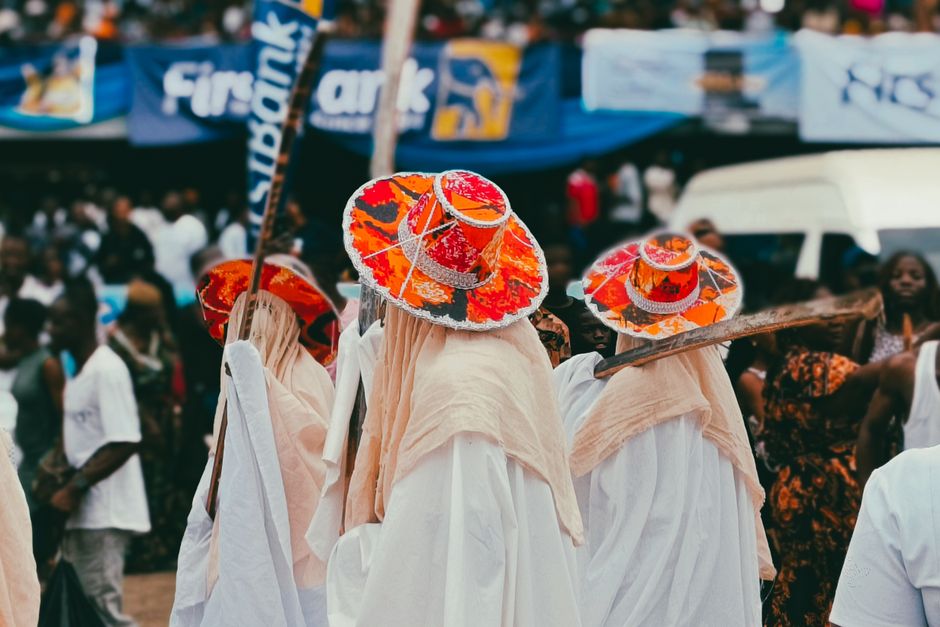
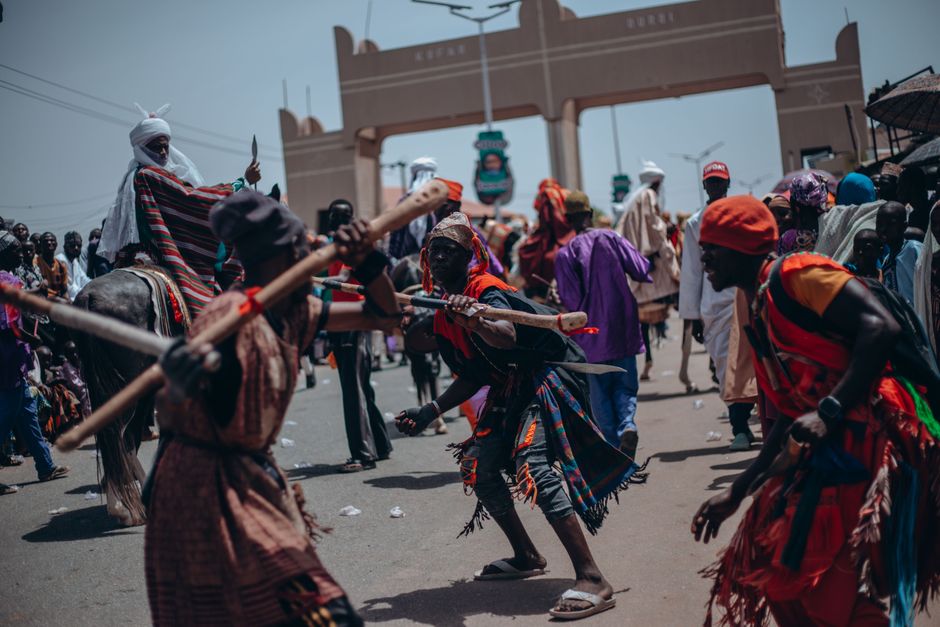
East Africa is a region teeming with cultural diversity, rich traditions, and captivating history. From the coastal Swahili influences to the highland communities of the Maasai, the cultural tapestry of East Africa offers a unique blend of experiences that captivate the imagination. For Nigerian travelers craving an immersive cultural journey, this region provides an abundance of opportunities to connect, learn, and explore. Whether you're wandering through bustling markets or participating in age-old festivals, East Africa promises a journey filled with discovery.
In this article, we will delve into the cultural richness of East Africa, exploring the customs, traditions, and heritage that make this region so unique. We will take a closer look at some of the most significant aspects, including the diverse ethnic groups, culinary delights, traditional arts, and vibrant festivals that define East African culture.
Exploring the Ethnic Diversity of East Africa
The Swahili Coast Culture
The Swahili Coast, stretching from southern Somalia through Kenya and Tanzania to northern Mozambique, is a melting pot of cultures influenced by centuries of trade with Arabs, Persians, and Indians. The Swahili language, a lingua franca in the region, is a testament to this blend of cultures.
Visitors can explore ancient coastal towns such as Lamu and Zanzibar, where the fusion of African, Arab, and Persian architectural styles is evident. The Swahili culture is deeply embedded in their music, dance, and dress, offering a glimpse into a lifestyle that has withstood the sands of time.
The Maasai: Custodians of Tradition
The Maasai people, known for their distinct red shuka and intricate beadwork, are among the most iconic ethnic groups in East Africa. Residing primarily in Kenya and northern Tanzania, the Maasai have maintained a semi-nomadic lifestyle that revolves around cattle herding.
Engaging with the Maasai offers a unique opportunity to learn about their customs, from their warrior dances to their age-old social structures. Visitors are often welcomed to participate in community activities, providing a deeper understanding of their way of life.
Culinary Delights of East Africa
Traditional Dishes to Savor
East African cuisine is a delightful fusion of indigenous ingredients and foreign influences. Ugali, a maize porridge, and nyama choma, grilled meat, are staples that reflect the region's agricultural roots.
Particular dishes like Tanzania’s pilau and Uganda’s matoke showcase the use of spices and local produce. These meals are often shared in a communal setting, emphasizing the importance of family and community in East African culture.
Street Food Adventures
For a more casual culinary experience, the bustling street food scene in cities like Nairobi and Dar es Salaam offers a taste of everyday life. Here, you can try chapati, samosas, and mandazi, each telling its own story of cultural fusion.
These street vendors provide an authentic glimpse into the daily lives of East Africans, where food is not just sustenance but a celebration of identity and community.
Traditional Arts and Crafts
Celebrating Artistic Heritage
East African art is a vibrant expression of cultural identity. From the intricate beadwork of the Maasai to the wood carvings of the Makonde, the region's arts and crafts are a testament to its rich cultural heritage.
Local markets, such as the Maasai Market in Nairobi, offer a treasure trove of handmade crafts, allowing visitors to take home a piece of East Africa's artistic legacy.
Music and Dance: The Heartbeat of Culture
Music and dance are integral to East African culture, with each ethnic group boasting its own unique styles and rhythms. Traditional dances, often performed during celebrations and ceremonies, are a vibrant display of cultural pride.
The sounds of taarab music along the coast, or the infectious beats of benga in Kenya, are a testament to the region's musical diversity and creativity.
Festivals: Celebrating Life and Heritage
The Zanzibar International Film Festival
The Zanzibar International Film Festival is East Africa's largest cultural event, showcasing films, music, and art from across the continent. It is a celebration of African creativity and a platform for cultural exchange.
Held annually in Stone Town, this festival attracts artists and filmmakers from around the world, making it a must-see event for culture enthusiasts.
The Great Ethiopian Run
This annual event in Addis Ababa combines sports and culture, drawing participants from all over the world. It is a vibrant celebration of Ethiopian unity and spirit, with cultural performances and traditional dances energizing the race.
The Great Ethiopian Run highlights the country's rich cultural heritage in a festive and inclusive atmosphere.
Final Thoughts
East Africa's cultural richness is a testament to the resilience and creativity of its people. For Nigerian travelers, exploring this region offers a chance to experience a different yet relatable cultural landscape. Whether it's the diverse ethnic traditions, flavorful cuisine, or the rhythmic beats of traditional music, East Africa invites you to dive into its cultural depths.
As you plan your journey, remember that the true essence of East Africa lies in its people, their stories, and their unwavering spirit to preserve and celebrate their heritage. Embrace the opportunity to connect, learn, and contribute to the vibrant tapestry that is East African culture.