When you think of Nigeria, what comes to mind? Perhaps it's the bustling streets of Lagos, the rhythmic beats of Afrobeat music, or the diverse tapestry of languages and tribes that make up this vibrant nation. Nigeria is not only the giant of Africa in terms of population and economy but also a powerhouse of culture. For many, exploring Nigeria is akin to discovering a treasure trove of traditions, music, arts, and culinary delights. This article delves into the cultural riches of Nigeria, providing insights into its dynamic heritage that continues to evolve while holding onto its roots.
For Nigerian readers, visiting different parts of the country is like embarking on a journey through time, where modernity and tradition coexist. Understanding these cultural aspects not only enriches your travels but also offers a deeper appreciation of Nigeria's role in the larger African context. Let's dive into the multifaceted cultural landscape of Nigeria and discover what makes it a remarkable destination.
The Diversity of Nigerian Languages
Nigeria is home to over 500 languages, making it one of the most linguistically diverse countries in the world. This diversity is a reflection of the country's rich ethnic makeup. The three major languages are Hausa, spoken predominantly in the north; Yoruba, in the southwest; and Igbo, in the southeast.
Understanding the Major Languages
- Hausa: With over 30 million speakers, Hausa is not only spoken in Nigeria but also in parts of Niger, Ghana, and Cameroon. It serves as a lingua franca in northern Nigeria.
- Yoruba: Yoruba has a significant number of speakers and is known for its rich oral literature and traditional religion.
- Igbo: The Igbo language is part of the Niger-Congo family and has a vibrant culture associated with its speakers, including traditional dances and festivals.
"The true beauty of Nigeria lies in its linguistic diversity, where each language tells a story of its people."
The Art of Nigerian Music and Dance
Nigerian music and dance are integral parts of its cultural identity. From traditional beats to contemporary sounds, music in Nigeria is a reflection of its diversity.
Traditional Music
Traditional music in Nigeria is heavily influenced by the local culture and usually involves the use of traditional instruments like the talking drum, shekere, and kora. These musical forms are often part of cultural festivals and rituals.
Afrobeat and Modern Music
Modern Nigerian music, especially Afrobeat, has gained international acclaim. Artists like Fela Kuti, Burna Boy, and Wizkid have brought global attention to Nigeria's vibrant music scene.
"Afrobeat is not just a genre; it's a movement that embodies the spirit of Nigeria."
The Vibrancy of Nigerian Festivals
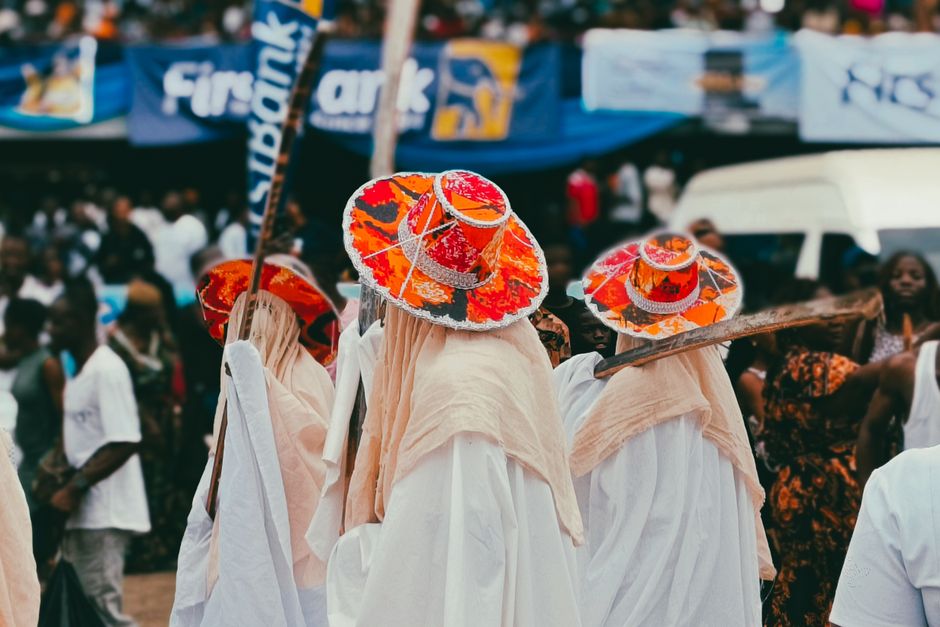
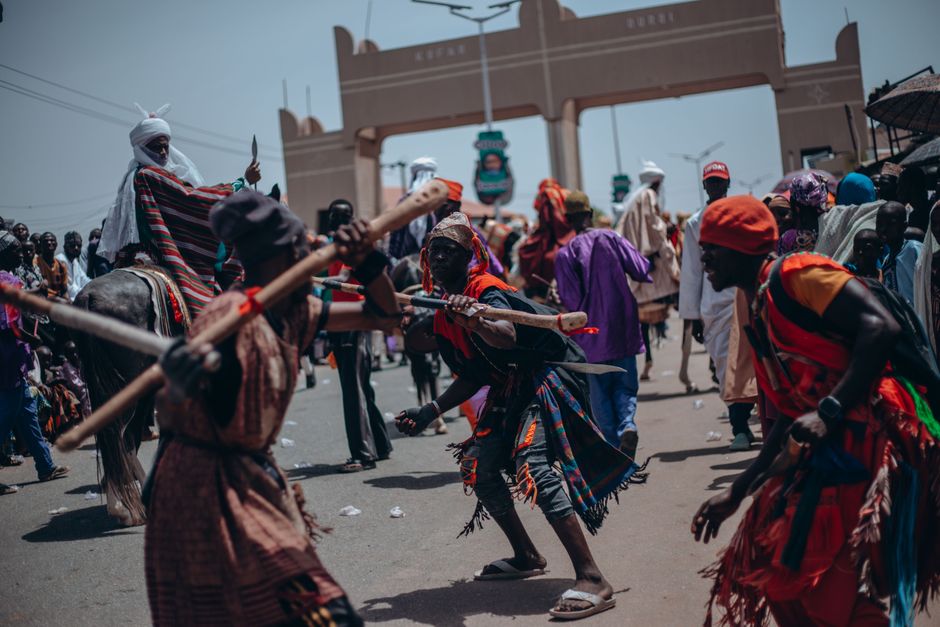
Nigerian festivals are a celebration of culture, music, dance, and unity. They offer a glimpse into the traditions and social life of various ethnic groups.
Popular Festivals
- Eyo Festival: This is a unique festival held in Lagos, characterized by the procession of masquerades and serves as a tourist attraction.
- Osun-Osogbo Festival: Celebrated in Osogbo, it honors the river goddess Osun and is a UNESCO World Heritage event.
- New Yam Festival: Celebrated by the Igbo people to mark the harvest of new yams, it is accompanied by feasting and traditional dances.
Nigerian Cuisine: A Culinary Journey
Nigerian cuisine is as diverse as its people, with each ethnic group offering its own unique flavors.
Staple Foods
Nigerian meals typically revolve around staples like rice, cassava, and yams. Jollof rice, a popular dish, is known for its spicy and savory taste.
Street Food and Delicacies
- Suya: A spicy meat skewer that is a favorite among locals and tourists alike.
- Puff-Puff: A deep-fried dough snack that is sweet and fluffy.
- Afang Soup: A delicious soup made from Afang leaves, often served with pounded yam.
"To truly understand Nigeria, one must taste its food, for it tells the story of its people."
Conclusion
Nigeria, with its rich cultural diversity, offers a unique travel experience that is both enlightening and entertaining. Its languages, music, festivals, and cuisine provide a vibrant tapestry that is waiting to be explored. Whether you're a local or a visitor, delving into the cultural riches of Nigeria is sure to leave you with unforgettable memories and a deeper appreciation for this West African nation.