Nigeria, often referred to as the 'Giant of Africa', is not only the most populous country on the continent but also a vibrant tapestry of cultures and traditions. With over 250 ethnic groups, each with its unique customs and traditions, Nigeria offers a rich cultural experience that is both diverse and deeply rooted in history. Whether you're a travel enthusiast seeking new adventures or a Nigerian eager to explore your heritage, delving into the country's cultural landscape is like opening a treasure chest filled with colorful stories and experiences.
From the bustling streets of Lagos to the serene villages in the North, Nigeria's cultural heritage is visible in its music, dance, art, and festivals. Each region paints a different part of the cultural canvas, creating an intricate mosaic that is uniquely Nigerian. As we journey through this article, we'll explore the different aspects of Nigerian culture, offering insights that will enrich your understanding and appreciation of this remarkable nation.
Join us as we embark on a journey through Nigeria's cultural landscape, exploring the traditional festivals that unite communities, the vibrant art that tells stories of the past and present, and the rich culinary traditions that tantalize taste buds with every bite.
The Essence of Nigerian Festivals
The Intricacies of Traditional Festivals
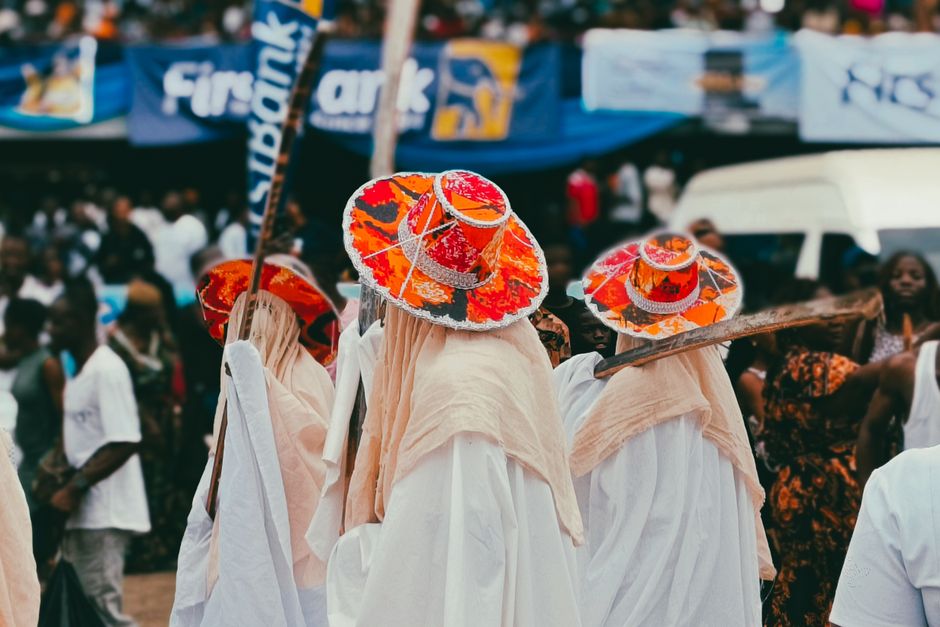
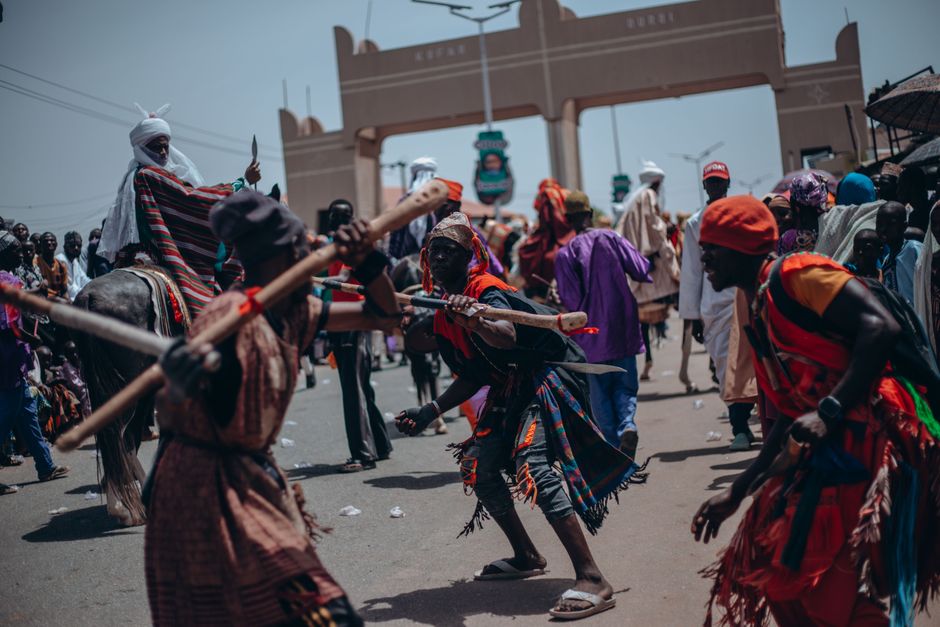
Nigerian festivals are a vibrant display of the country's rich cultural heritage. These festivals, often celebrated with music, dance, and colorful attire, reflect the traditions and beliefs of various ethnic groups.
- Egungun Festival: Celebrated by the Yoruba people, this festival honors the spirits of ancestors with elaborate masquerades and dances.
- Argungu Fishing Festival: A highlight in Kebbi State, this festival combines traditional fishing competitions with cultural performances.
- Osun-Osogbo Festival: Held in honor of the river goddess Osun, this festival attracts thousands to the sacred grove in Osogbo.
Modern and Urban Festivals
While traditional festivals are the heartbeat of rural communities, urban centers like Lagos have embraced modern cultural celebrations.
- Lagos Carnival: Known for its vibrant parades and concerts, this carnival showcases Nigeria's contemporary culture.
- Afrika Shrine: Founded by Fela Kuti, this venue in Lagos is a hub for Afrobeat music and cultural events.
Nigerian festivals offer a window into the soul of its people, where tradition and modernity dance in harmony.
The Art and Craft of Nigeria
Traditional Art Forms
Nigeria's art scene is as diverse as its people, with each ethnic group contributing its unique styles and techniques.
- Bronze Sculptures: The Benin Bronzes are world-renowned artifacts that reflect the artistic prowess of the Benin Kingdom.
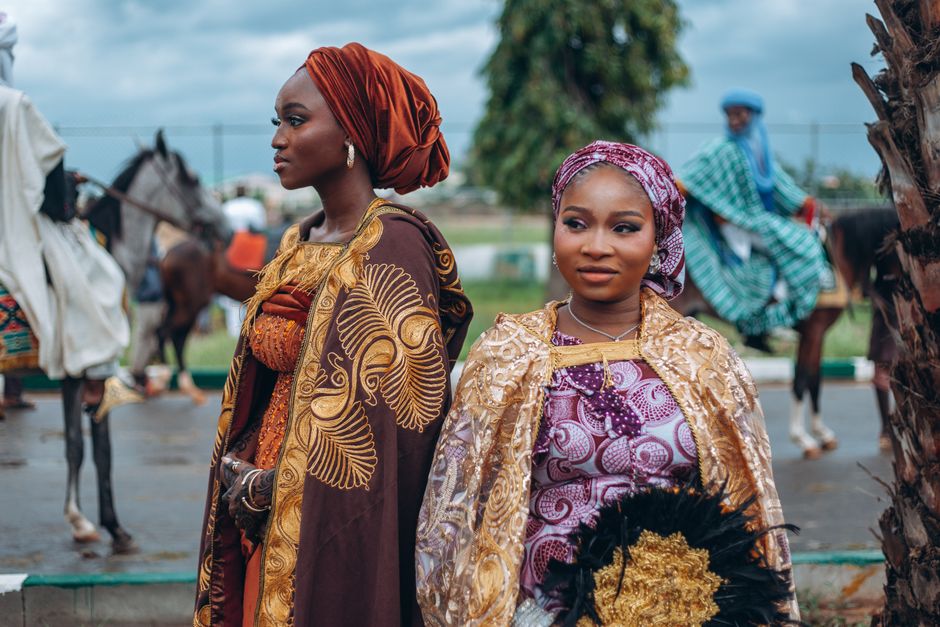
- Textiles: The colorful Akwete and Aso Oke fabrics are woven with intricate patterns, reflecting the creativity of Nigerian artisans.
Contemporary Art Scene
Nigeria's contemporary art scene is gaining international recognition, with artists like Yinka Shonibare and Njideka Akunyili Crosby making waves globally.
- Art Galleries: Places like Nike Art Gallery in Lagos are pivotal in promoting Nigerian art to international audiences.
- Art Fairs: Events such as Art X Lagos offer a platform for emerging artists to showcase their work.
Art in Nigeria is a dynamic fusion of tradition and innovation, capturing the essence of the nation's soul.
Culinary Delights: A Taste of Nigeria
Signature Nigerian Dishes
Nigerian cuisine is a delightful blend of flavors, spices, and ingredients, offering a taste of the country's cultural diversity.
- Jollof Rice: This iconic dish, often debated for its origins, is a staple at Nigerian celebrations.
- Pounded Yam and Egusi Soup: A popular dish in the southern regions, known for its rich flavors and hearty ingredients.
Street Food Culture
Nigeria's street food scene is bustling with flavors, offering a quick and delicious way to experience local cuisine.
- Suya: Spicy skewers of grilled meat, popular across Nigeria, often enjoyed with a cold drink.
- Akara: Deep-fried bean cakes, often enjoyed for breakfast or as a snack.
The rich culinary traditions of Nigeria are a celebration of its diverse cultures, blending flavors from all corners of the country.
Musical and Dance Heritage
The Heartbeat of Afrobeat
Nigeria is the birthplace of Afrobeat, a genre that has gained international acclaim and has been popularized by legendary musicians like Fela Kuti.
- Fela Kuti: Known as the pioneer of Afrobeat, his music continues to inspire artists worldwide.
- Modern Afrobeat: Artists like Burna Boy and Wizkid are taking Afrobeat to global stages, blending traditional sounds with modern beats.
Traditional Dance Forms
Dance is an integral part of Nigerian culture, with each ethnic group having its unique dance styles.
- Yoruba Bata Dance: A rhythmic dance performed with drums, often seen during festivals.
- Igbo Atilogwu Dance: Known for its acrobatics and energy, this dance is a vibrant display of Igbo culture.
Music and dance are the pulse of Nigerian culture, where tradition meets modernity in a harmonious symphony.
Final Thoughts
Exploring Nigeria's cultural heritage is like embarking on a captivating journey through time and tradition. Each festival, art piece, dish, and dance tells a story of resilience, creativity, and unity. As Nigerians, understanding and embracing our cultural diversity not only strengthens our identity but also enriches our lives with a deeper sense of connection and belonging. Whether you're a local or a traveler, immersing yourself in Nigeria's vibrant culture promises an experience that is as enlightening as it is unforgettable.
So, the next time you find yourself in the heart of Africa, take a moment to appreciate the rich tapestry of Nigerian culture, where each thread is a testament to the country's dynamic history and future.