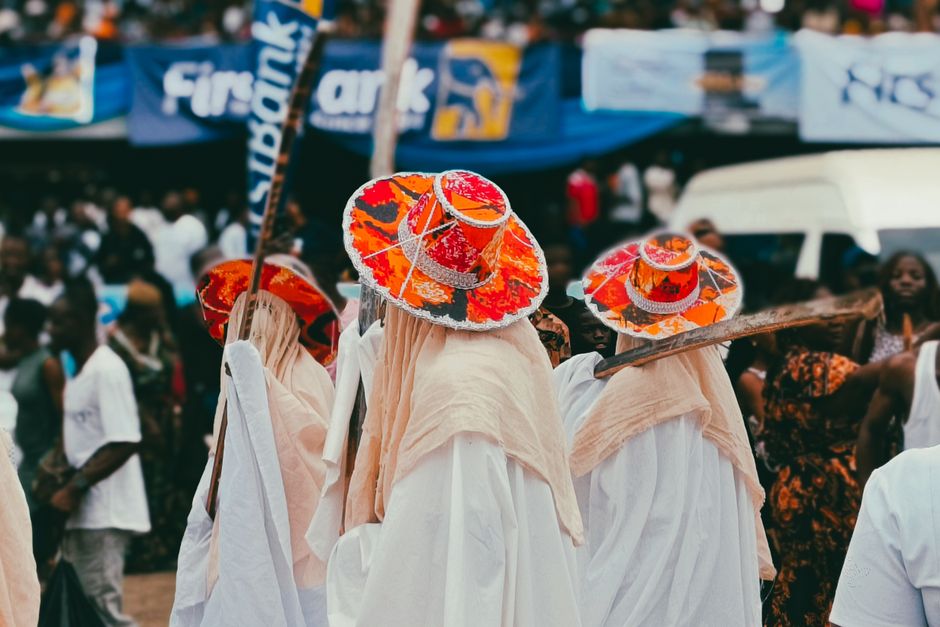
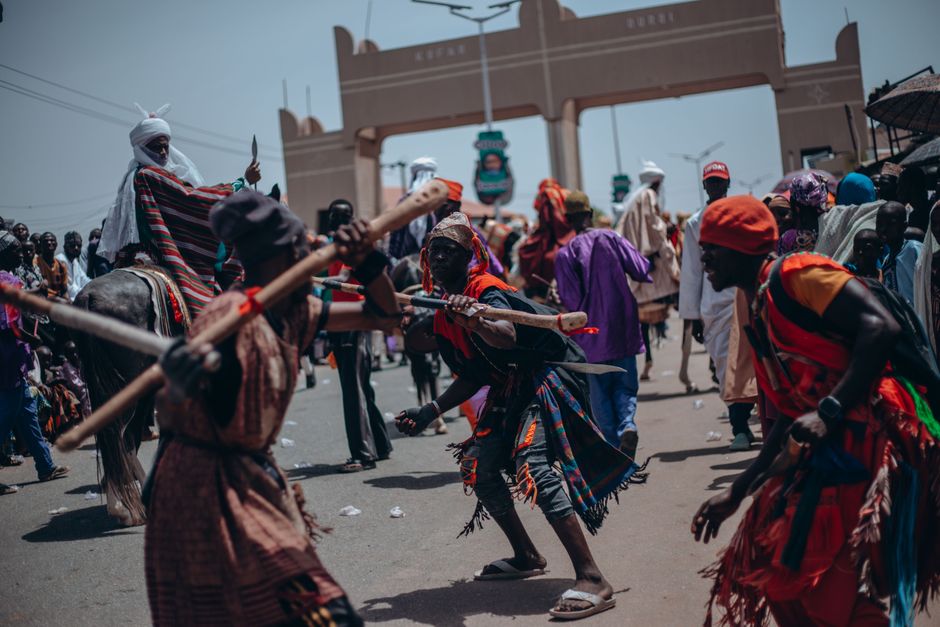
East Africa, with its rich cultural heritage and breathtaking landscapes, offers a travel experience like no other. For Nigerian readers looking to explore the depths of African traditions and lifestyles, this region provides a myriad of opportunities. Whether you're drawn to the rhythmic beats of traditional music or the intricate artistry of local crafts, East Africa beckons with open arms and stories untold.
Navigating through the bustling streets of Nairobi or the serene beaches of Zanzibar, you'll encounter a blend of history and modernity. The vibrant markets, the aromatic spices, and the warm hospitality of the locals create an environment that feels like a home away from home. Let's delve into the cultural wonders of East Africa, and uncover the treasures that make it a must-visit destination for Nigerian travelers.
The Cultural Tapestry of East Africa
Traditional Music and Dance
Music and dance in East Africa are not just forms of entertainment; they are integral parts of the social fabric. From the Maasai warriors' Adumu dance, also known as the jumping dance, to the Swahili Taarab music that echoes through the streets of Zanzibar, each rhythm tells a story.
- Maasai Adumu Dance: A rite of passage for young warriors, showcasing strength and agility.
- Swahili Taarab: A blend of Arabic, Indian, and African influences, offering soulful melodies and captivating performances.
"Dance is the hidden language of the soul." - Martha Graham
Art and Craftsmanship
The artistic expression in East Africa is vivid and diverse. From intricate beadwork to wooden sculptures, artisans in this region have mastered their crafts over generations. Visiting local markets such as Maasai Market in Nairobi gives you a chance to witness this creativity firsthand.
- Beadwork: Often used in traditional attire and jewelry, representing different cultural symbols and stories.
- Wooden Sculptures: Carved from indigenous trees, showcasing the wildlife and landscapes of the region.
Purchasing locally made crafts not only supports the artisans but also allows you to take a piece of East African culture home with you.
Culinary Delights
Flavors of East Africa
Food is a fundamental aspect of East African culture, with each dish telling a story of its origin. The cuisine is as diverse as the cultures themselves, offering a variety of flavors that satisfy every palate.
- Ugali: A staple dish made from maize flour, often served with vegetables or meat.
- Nshima: A Zambian delicacy similar to Ugali, often accompanied by relish.
- Swahili Dishes: Such as Pilau and Biryani, infused with spices that reflect the Arab influence on the region.
Dining Experiences
Dining in East Africa is an experience in itself. Whether you're enjoying a meal in a local's home or at a coastal restaurant with a view of the Indian Ocean, the warmth and hospitality are unmatched.
"Food is our common ground, a universal experience." - James Beard
Historical and Cultural Sites
Ancient Ruins and Landmarks
East Africa is home to numerous historical sites that offer a glimpse into the past. From the Olduvai Gorge in Tanzania, known as the cradle of mankind, to the mysterious ruins of Gedi in Kenya, history enthusiasts will find plenty to explore.
- Olduvai Gorge: An archeological site with fossils dating back millions of years, offering insights into early human evolution.
- Ruins of Gedi: A 13th-century Swahili town with well-preserved structures, providing a window into ancient urban life.
Cultural Museums and Centers
For those interested in understanding the cultural evolution of East Africa, visiting museums such as the Nairobi National Museum or the Zanzibar Museum of Natural History is highly recommended. These institutions house artifacts and exhibits that detail the region's rich history and vibrant cultures.
Connecting with Local Communities
Community-Based Tourism
Engaging with local communities through community-based tourism initiatives allows travelers to experience East African culture authentically. Programs such as the Maasai Mara Community Projects offer tourists the opportunity to live with locals, learn traditional skills, and contribute to the community's welfare.
Volunteering in local schools or participating in conservation projects can also enhance your travel experience while making a positive impact.
Festivals and Celebrations
Attending local festivals and celebrations is another excellent way to immerse yourself in the culture. Events such as the Mombasa Carnival and the Zanzibar International Film Festival showcase the region's diverse cultural heritage and artistic expressions.
"Travel makes one modest. You see what a tiny place you occupy in the world." - Gustave Flaubert
Final Thoughts
East Africa is a vibrant mosaic of cultures, traditions, and histories waiting to be explored. Whether you're traversing the savannahs of Kenya, exploring the spice markets of Zanzibar, or simply soaking in the warmth of the local communities, each experience is a reminder of the continent's rich heritage. For Nigerian travelers, East Africa offers a unique opportunity to connect with the broader African narrative, enriching your understanding of culture and history.
So pack your bags, embark on this cultural journey, and discover the essence of East Africa. It's a trip that promises to leave you with memories and stories to cherish forever.