Nigeria, the populous heart of West Africa, is a land brimming with cultural diversity and rich traditions. Among its many treasures, the country's artisanal crafts stand out as a testament to the creativity and heritage of its people. From the vibrant markets of Lagos to the serene villages in the East, Nigeria's crafts are a window into its soul, offering both locals and visitors a chance to connect with its history and artistry.
In this article, we'll delve into the fascinating world of Nigerian artisanal crafts, exploring their historical significance, the techniques passed down through generations, and the thriving market that continues to support and celebrate these age-old traditions. Whether you're a Nigerian eager to reconnect with your roots or a traveler looking to bring home a piece of Africa, this guide will illuminate the path to discovering Nigeria's crafting heritage.
The Historical Significance of Nigerian Crafts
A Legacy Carved in Wood
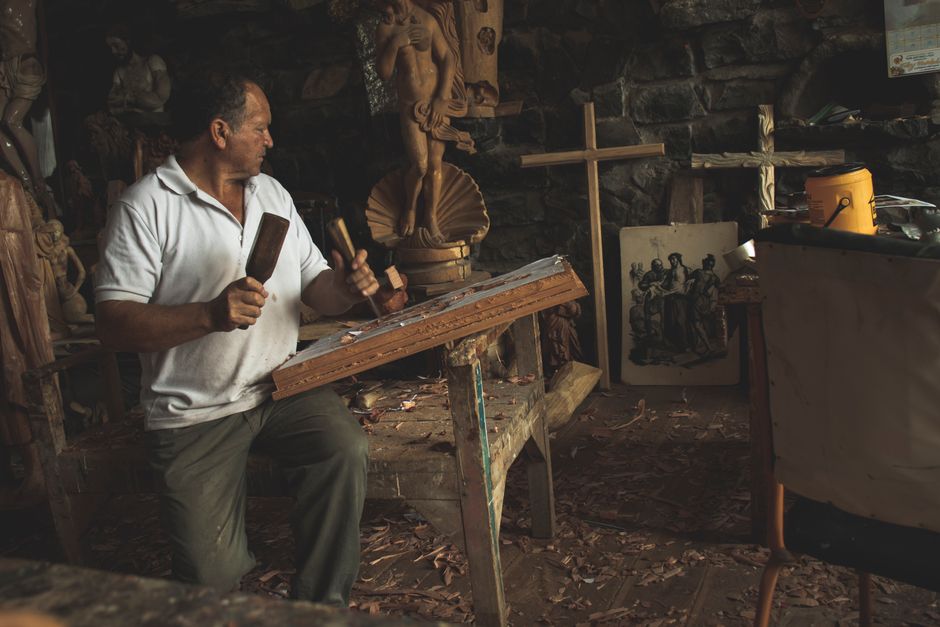
Nigerian woodcraft dates back centuries, with intricate carvings and sculptures representing religious, ceremonial, and everyday life. The Yoruba people, known for their exquisite wooden masks and sculptures, have preserved techniques passed down through generations. These artworks are more than decorative; they are profound narratives of societal norms, beliefs, and history.
"Wood carving is a dialogue between the artist and the wood, revealing stories hidden within its grain."
Textiles that Tell Stories
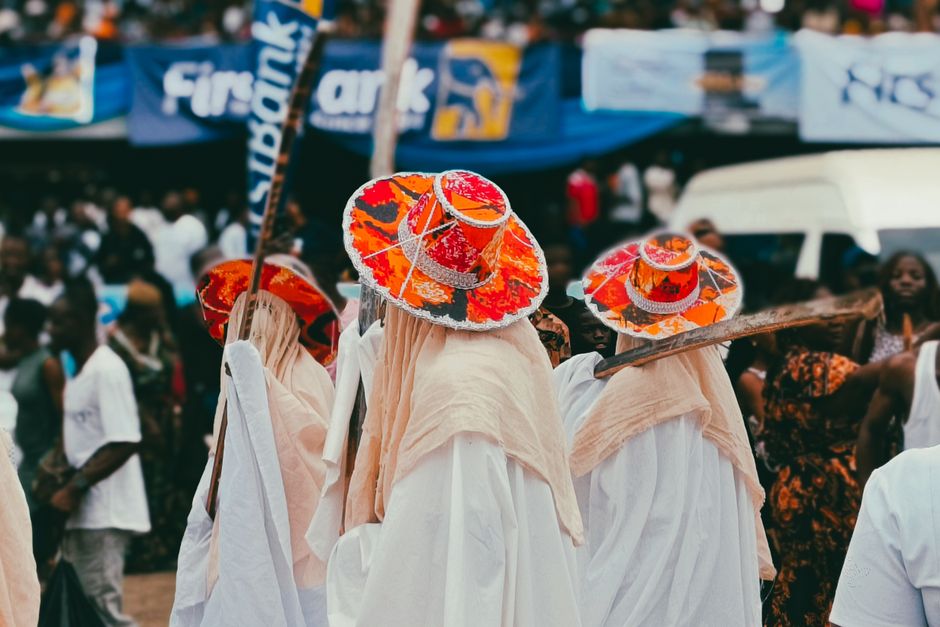
Adire, a traditional Yoruba indigo-dyed cloth, is another significant craft. Each piece of fabric is a canvas where artisans express stories through patterns and colors. The art of dyeing and designing Adire has evolved, but it remains a vital part of Nigerian cultural attire, especially during festivals and ceremonies.
Techniques and Skills Passed Down Through Generations
The Art of Pottery
Pottery in Nigeria is more than just a craft; it's an age-old tradition with roots in the country's early civilizations. The Nupe and Abuja people are renowned for their pottery skills, creating pots that vary in size and design but are all unified by their beauty and functionality.
- Hand-built: Using coils and slabs, potters shape the clay by hand, a technique that offers flexibility in design.
- Fired to Perfection: Each piece undergoes a meticulous firing process, enhancing durability and finish.
Beadwork: A Symphony of Colors
Beadwork is integral to Nigerian fashion and culture. The intricate designs, often seen at weddings and traditional occasions, are crafted with precision and care. Beads are not just decorative; they carry deep cultural significance and are used to signify status and tribal identity.
The Thriving Market for Nigerian Crafts
Markets You Must Visit
If you're in Nigeria, visiting local markets is a must to experience the full spectrum of Nigerian crafts. Lagos' Lekki Market and Abuja's Arts and Crafts Village are bustling hubs where artisans showcase their work, and you can buy everything from beaded jewelry to woven baskets.
- Tip: Bargaining is part of the culture, so engage with sellers to get the best price while respecting their craft.
- Tip: Always inquire about the story behind each piece. It enriches the buying experience and connects you to the craft's origins.
Supporting Local Artisans
By purchasing Nigerian crafts, you not only take home a unique piece but also support the artisans who rely on these sales for their livelihood. Programs and cooperatives across Nigeria aim to empower these artisans by providing resources and training to preserve these valuable traditions.
"Every purchase of handcrafted art is a vote for culture, tradition, and the artisan's future."
Cultural Significance and Modern Adaptations
The Role of Crafts in Nigerian Society
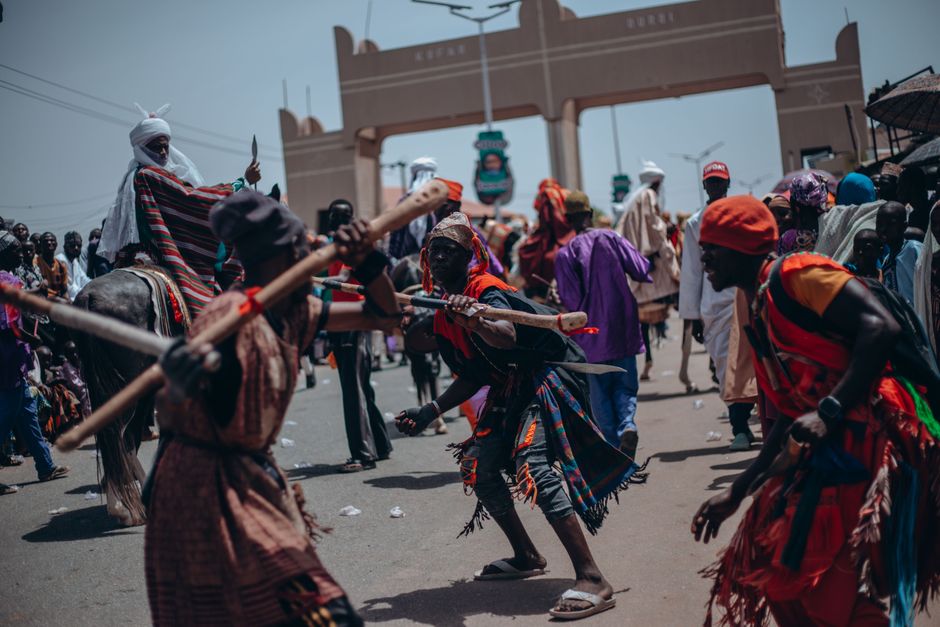
Crafts in Nigeria are deeply embedded in societal customs and religious practices. They play a crucial role in ceremonies such as weddings and funerals, where specific items like woven mats or carved masks are integral to the rituals.
Contemporary Takes on Traditional Crafts
Modern Nigerian artisans are reimagining traditional crafts to fit contemporary tastes. Fashion designers incorporate Adire and Ankara fabrics into their collections, while sculptors are exploring new mediums and themes, keeping the tradition alive while appealing to a global audience.
Conclusion
Nigerian artisanal crafts offer a rich tapestry of culture, history, and artistry woven into every piece. Whether it's the intricate beadwork or the vibrant textiles, each craft tells a story unique to the regions and people of Nigeria. By exploring and supporting these crafts, you not only preserve a vital part of Nigerian culture but also contribute to the artisans' livelihoods and the continuation of these precious traditions. So, next time you're in Nigeria, step into a market or visit an artisan's workshop. You'll discover more than just objects; you'll uncover stories, traditions, and the heart of a nation.