When it comes to cultural vibrancy, few places can rival the fascinating traditions of West Africa, and among these, the Yoruba people stand out with their deeply-rooted festivals. In Nigeria, the heart of Yoruba culture, these festivals are not just events; they are living manifestations of the people's history, beliefs, and social fabric. From the colorful attires to the rhythmic beats of the talking drum, attending a Yoruba festival is akin to stepping into a kaleidoscope of history and heritage. In this article, we will delve deeply into the Yoruba festivals, exploring their cultural significance, unique rituals, and what makes them a must-see for anyone seeking to understand and appreciate African culture.
The Rich Tapestry of Yoruba Festivals
The Yoruba people are known for their rich cultural heritage, and festivals play a central role in their social and religious life. These festivals are deeply rooted in the people's reverence for their deities, and they serve as a means to honor the gods and seek their blessings. Among the most famous Yoruba festivals are the Osun-Osogbo Festival, the Eyo Festival, and the Egungun Festival, each with its own unique characteristics and significance.
Osun-Osogbo Festival: Celebrating the River Goddess
The Osun-Osogbo Festival is one of the most prominent Yoruba festivals, celebrated annually in Osogbo, Osun State. It is a two-week-long celebration dedicated to Osun, the goddess of fertility and the Osun River.
- Historical Origins: The festival dates back over 600 years and commemorates the pact between Osun and the founding fathers of Osogbo.
- Key Rituals: The festival features a procession to the Sacred Grove, led by the Arugba, a virgin girl who carries sacrifices to the goddess.
- Significance: It is believed that participating in the festival brings blessings, protection, and prosperity to the attendees and the community at large.
The Osun-Osogbo Festival is not just a celebration; it is a spiritual rejuvenation and a cultural beacon that attracts visitors from around Nigeria and beyond.
The Eyo Festival: Lagos' Unique Cultural Parade
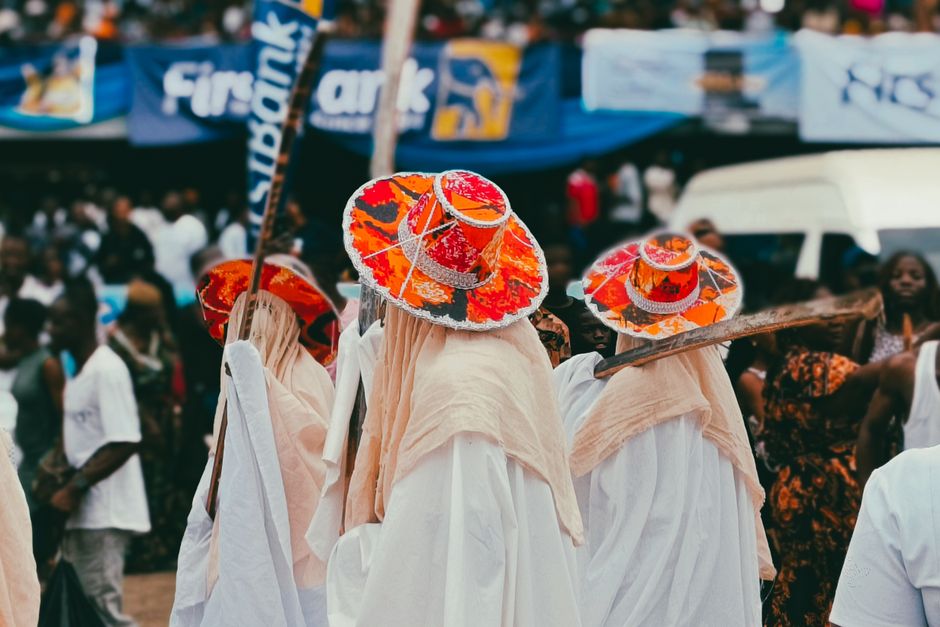
The Eyo Festival is an iconic street parade that takes place in Lagos Island. It is a celebration of the spirits of the ancestors and is often held in honor of a prominent Lagosian.
- Colorful Attire: Participants, known as Eyo, dress in white robes and hats, creating a striking display of pageantry.
- Procession Highlights: The Eyo masquerades parade through the streets, accompanied by drummers and singers, creating a festive atmosphere.
- Cultural Significance: The festival is a symbol of Lagos' rich history and cultural heritage, showcasing the unity and traditions of the Eko people.
Egungun Festival: Honoring the Ancestors
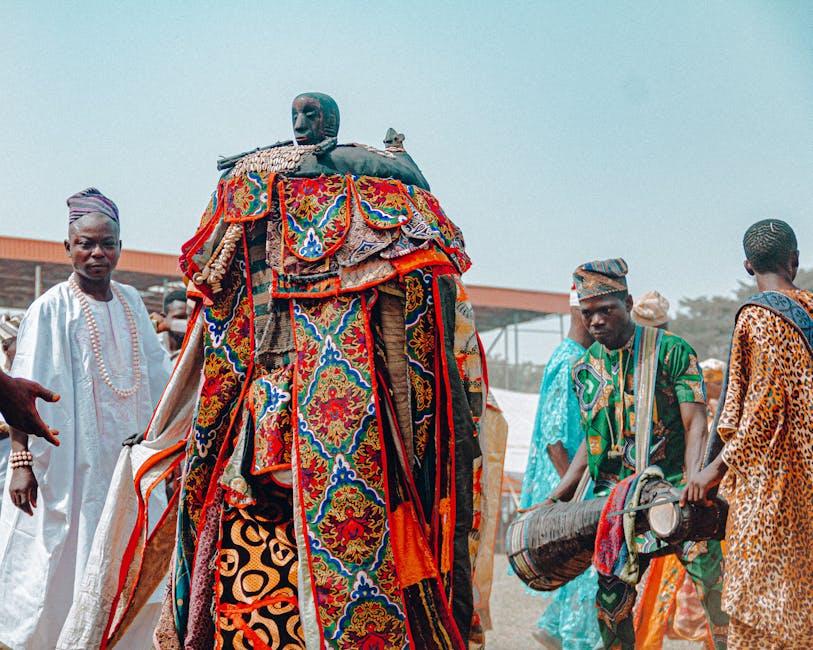
The Egungun Festival is a celebration that honors the spirits of deceased ancestors, believed to provide guidance and protection to their descendants.
- Masquerade Performance: Participants wear elaborate costumes and masks, representing the spirits of the ancestors, and perform dances and rituals.
- Community Involvement: The festival is a communal event where families come together to celebrate and remember their lineage.
- Spiritual Significance: It is a time for spiritual reflection and renewal, emphasizing the connection between the living and the dead.
Experiencing Yoruba Festivals Firsthand
Attending a Yoruba festival is an immersive experience that offers visitors a unique opportunity to engage with the culture in an authentic way. Here are some tips to make the most of your visit:
Planning Your Visit
Before attending a Yoruba festival, it's essential to plan accordingly to ensure a fulfilling experience.
- Research: Learn about the festival's history, significance, and rituals to appreciate its depth and meaning fully.
- Timing: Ensure you know the exact dates and duration of the festival, as they can vary each year.
- Accommodation: Book your stay in advance, especially during major festivals, as lodging can fill up quickly.
Immersing in the Experience
Embrace the culture by participating in the festival's activities and engaging with the locals.
- Dress Appropriately: Wear traditional attire or comfortable clothing to blend in and respect local customs.
- Participate: Join in the dances, processions, and rituals to fully immerse yourself in the festivities.
- Capture the Moments: Take photographs and video recordings, but be respectful and ask for permission where necessary.
Impact of Yoruba Festivals on Tourism and Culture
Yoruba festivals are not only culturally significant but also play a vital role in promoting tourism and cultural preservation in Nigeria.
Boosting Local Economies
Festivals attract tourists from across the globe, providing a significant boost to local economies.
- Job Creation: Festivals create jobs for locals in areas such as hospitality, transportation, and catering.
- Business Opportunities: Vendors and artisans have the chance to sell their products to a larger audience.
- Infrastructure Development: The influx of visitors often leads to improvements in local infrastructure and amenities.
Preserving Yoruba Culture
By showcasing traditional music, dance, and rituals, festivals help preserve Yoruba culture for future generations.
- Cultural Education: They provide an avenue for educating young people about their cultural heritage and history.
- Global Recognition: Festivals raise awareness of Yoruba culture, attracting international attention and appreciation.
- Community Pride: They foster a sense of pride and identity among the Yoruba people, strengthening cultural bonds.
"Yoruba festivals are a testament to the resilience and beauty of African culture, offering a window into a world where tradition and modernity coexist."
Conclusion
Yoruba festivals are a vibrant and essential aspect of Nigeria's cultural landscape. They offer an unforgettable experience for anyone looking to immerse themselves in West African traditions. From the spiritual significance of the Osun-Osogbo Festival to the colorful spectacle of the Eyo Festival, these celebrations are a testament to the richness of Yoruba culture. By attending these festivals, visitors not only witness the past but also become part of a living tradition that continues to shape the future of Nigeria and its people. Whether you're a cultural enthusiast, a history buff, or simply seeking a unique travel experience, Yoruba festivals promise a memorable journey into the heart of African heritage.