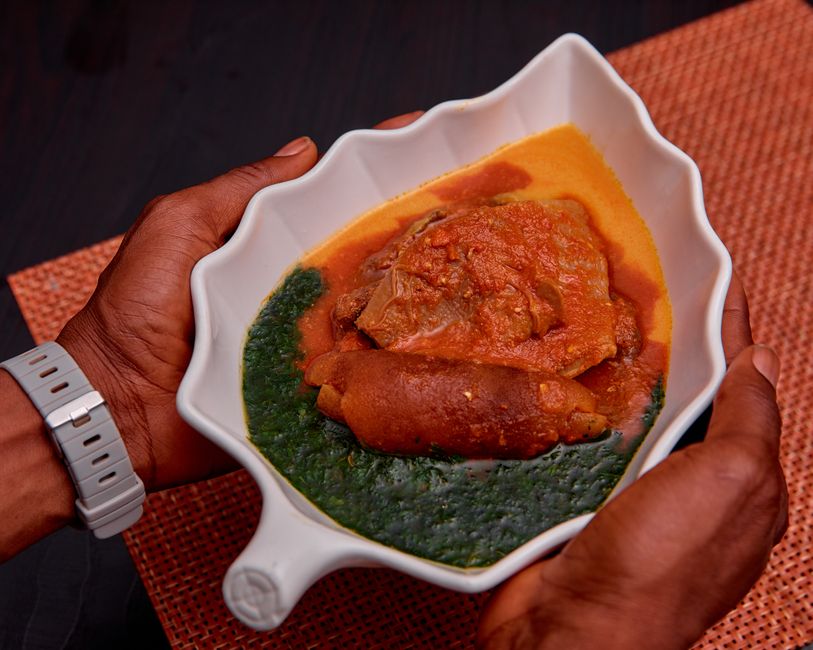
West African cuisine is a vibrant tapestry of flavors, textures, and aromas that speak to the heart of its diverse cultures. As you embark on this culinary journey, imagine the sizzling sounds of cooking pots, the rich aroma of spices, and the warm embrace of a shared meal. Whether you're a seasoned foodie or a curious newcomer, exploring West African cuisine promises a delightful adventure.
Nigerian readers will find many familiar favorites in this delectable tour of West African gastronomy, from jollof rice's comforting embrace to the spicy kick of suya. Imagine gathering with friends and family, savoring each bite while sharing laughter and stories. This is more than just food; it's a celebration of life and community.
The Essence of West African Cuisine
At the heart of West African cuisine is a profound connection to the land and its produce. The region's culinary practices are deeply rooted in tradition, with recipes passed down through generations.
Staple Ingredients
Some key ingredients define the essence of West African cuisine:
- Rice and Grains: Widely used, with jollof rice being a beloved dish across many countries.
- Yam and Cassava: Essential staples, often pounded or fried.
- Peanuts and Palm Oil: Add rich flavors and are central to many stews and sauces.
- Spices: Including ginger, garlic, and chili peppers, which provide depth and heat to dishes.
Cooking Techniques
Traditional cooking methods are a vital part of the culinary experience:
- Boiling and Steaming: Often used for soups and softer textures.
- Frying: A popular technique for creating crispy textures in snacks like puff-puff.
- Grilling: Brings out the flavors in meats like suya.
Popular Dishes to Savor
Jollof Rice
Jollof rice is arguably the most famous West African dish, known for its vibrant orange hue and rich flavors. Each country has its own twist, but the essence remains the same - a hearty, comforting dish often enjoyed at celebrations.
"Jollof rice is not just a dish; it's a conversation starter."
Suya
For those who love a spicy kick, suya is a must-try. This spicy grilled meat skewer is a popular street food, known for its bold flavors and irresistible aroma.
Egusi Soup
Egusi soup, made with ground melon seeds, is a thick and hearty soup that's perfect for dipping with pounded yam or fufu. It's a staple in many Nigerian households.
Cultural Significance of Food
Food in West Africa is more than sustenance; it's a cultural expression. Meals are communal, with an emphasis on sharing and togetherness.
"In West African culture, food is a bond that brings people together."
Celebrations and Festivities
Food plays a central role in celebrations, from weddings to festivals. It's a time to showcase culinary skills and share the richness of one's culture.
Family and Social Bonds
Meals are a time for families to connect, share stories, and strengthen bonds. The communal nature of dining is a cherished tradition, bringing warmth and unity.
Where to Experience West African Cuisine
Local Markets
Exploring local markets is a fantastic way to experience the ingredients and excitement of West African cooking. You'll find a vibrant array of spices, fresh produce, and street foods.
Restaurants
Many restaurants in cities like Lagos and Accra offer an authentic taste of West Africa. These venues celebrate traditional dishes while incorporating modern twists.
Cooking West African Dishes at Home
For those inspired to bring West African flavors into their own kitchens, starting with a few staple recipes is a rewarding experience.
Essential Tools and Ingredients
- Mortar and Pestle: For grinding spices and making pastes.
- Cast Iron Pots: Ideal for slow-cooking stews and soups.
- Local Spices: Stock up on spices like ginger, cumin, and cayenne pepper.
Simple Recipes to Try
Starting with simple dishes like jollof rice or akara (bean cakes) can introduce you to the flavors and techniques of West African cooking.
Conclusion
West African cuisine offers a rich tapestry of flavors and cultural significance that is both heartwarming and exhilarating. Whether you're savoring jollof rice with friends or preparing a homemade feast, the vibrant culinary traditions of West Africa promise to delight and inspire.
Embrace this culinary adventure and discover the stories woven into each dish. As you explore, remember that food is a universal language — one that connects us across borders and generations.