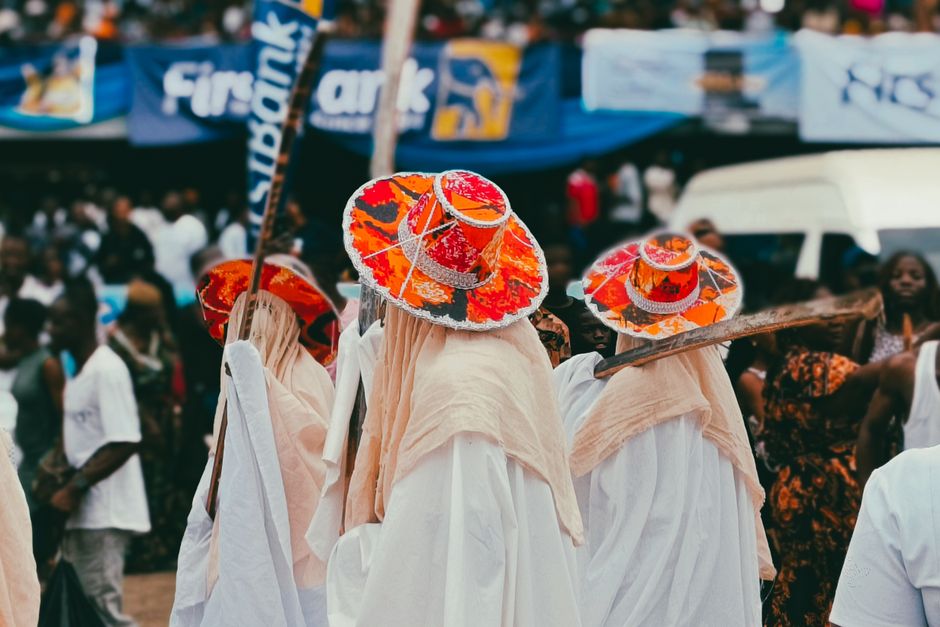
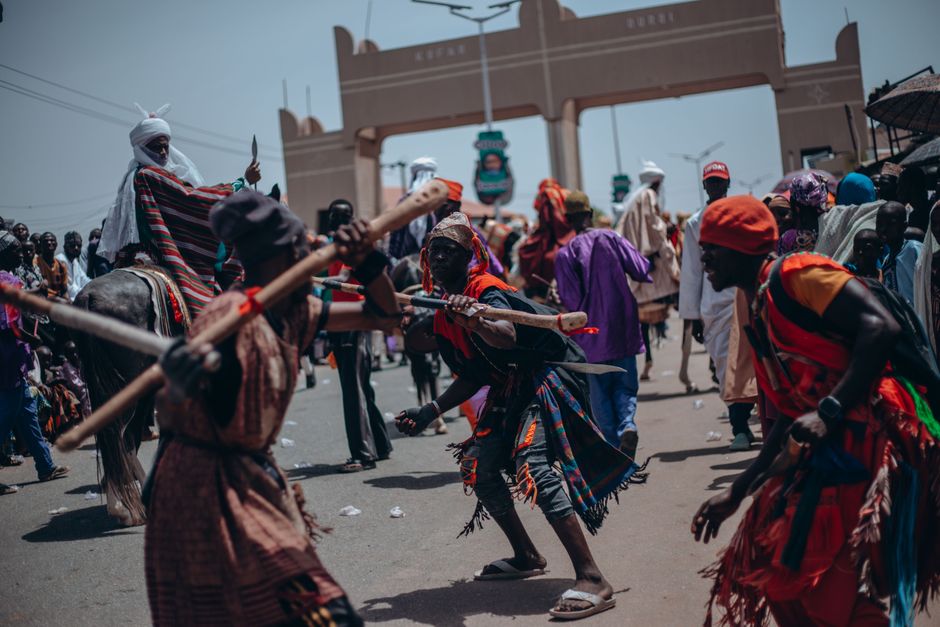
Have you ever wondered what makes Ghana such a fascinating destination for cultural enthusiasts? Ghana, nestled in the heart of West Africa, is not only known for its historical significance but also for its vibrant and diverse culture. From colorful festivals to traditional music and dance, the Ghanaian culture is a tapestry of rich heritage waiting to be explored.
As a Nigerian traveler, the similarities and differences you will encounter in Ghana can be both familiar and enlightening. In this article, we'll take you on a journey through Ghana's unique traditions, highlighting the cultural experiences that make it an unforgettable destination. So, grab a cup of zobo, sit back, and let's dive into the world of Ghanaian culture!
The Heartbeat of Ghana: Festivals and Celebrations
Homowo Festival
The Homowo Festival, celebrated by the Ga people, is a vibrant event that marks the end of the famine. With traditional dances, music, and the famous kpokpoi dish, this festival is a celebration of abundance and community spirit.
Akwasidae Festival
Held every six weeks, the Akwasidae Festival is a royal celebration among the Ashanti people. Witness the opulence of the Ashanti kingdom with lavish parades and the display of the golden stool, a symbol of unity and power.
- Experience the traditional drumming and dancing that accompanies these festivals.
- Sample local dishes served during the celebrations.
- Engage with locals to learn about the significance of each festival.
Don't miss the chance to immerse yourself in these festivals, where history and tradition come alive.
Culinary Delights: Exploring Ghanaian Cuisine
Jollof Rice
While Nigerians and Ghanaians often debate over who makes the best jollof rice, there's no denying that Ghanaian jollof offers its unique taste. Made with flavorful spices and often paired with fried plantains, it's a must-try!
Banku and Tilapia
Banku, a fermented corn and cassava dough, is often served with grilled tilapia. This dish, along with a spicy pepper sauce, provides a delightful taste of Ghanaian everyday meals.
- Explore roadside eateries known as 'chop bars' for authentic local flavors.
- Try street food such as kelewele, spicy fried plantains.
- Attend a cooking class to learn how to make these dishes at home.
Ghanaian cuisine offers an explosion of flavors; don't miss the street food scene for a truly authentic experience.
Traditional Music and Dance
Highlife Music
Highlife music is the soul of Ghana. With its roots in the 19th century, this genre combines traditional Akan melodies with Western instruments, creating a unique sound that resonates across generations.
Kpanlogo Dance
Originating from the Ga people of Accra, the Kpanlogo dance is characterized by its fast-paced movements and rhythmic drumming. Join in and feel the infectious energy of this traditional dance form.
- Attend live music performances to experience highlife and contemporary Ghanaian music.
- Participate in a dance workshop to learn traditional moves.
- Visit music centers and cultural institutes that promote Ghanaian music.
Music and dance are integral to Ghanaian culture; let loose and embrace the rhythm of Ghana.
The Artistic Heritage: From Kente Cloth to Adinkra Symbols
Kente Cloth
Kente cloth is a symbol of African heritage and pride. Handwoven with bold colors and intricate patterns, each design tells a story of its own. Visit Bonwire, the home of Kente, to see how these fabrics are made.
Adinkra Symbols
These traditional symbols, often used in textiles and decorations, convey proverbs and philosophies. Each symbol has a distinct meaning, reflecting the rich oral traditions of the Akan people.
- Visit craft villages to see artisans at work and purchase authentic crafts.
- Learn about the meanings behind popular Adinkra symbols.
- Take a weaving workshop to understand the process of making Kente cloth.
Ghanaian art is not just about aesthetics; it’s a narrative of history and identity.
Final Thoughts
Ghana's cultural landscape is a vibrant mosaic that blends history, tradition, and modernity. As you explore the festivals, cuisine, music, and art, you'll discover the heartbeat of a nation proud of its identity and eager to share its stories with the world.
For Nigerians, a trip to Ghana offers a chance to connect with a neighboring culture that is both familiar and new. Whether you're dancing at a festival, savoring a bowl of jollof, or admiring a piece of Kente, every moment in Ghana is an invitation to experience the richness of African culture.
So why wait? Pack your bags and set out on an adventure to discover the vibrant tapestry of Ghanaian culture, where every turn reveals a new story waiting to be told.