East Africa is a region brimming with vibrant cultures, traditions, and history. For Nigerian travelers seeking an immersive cultural experience, exploring the diverse cultures of East Africa offers a fascinating journey. From the rhythmic beats of traditional dances to the mouth-watering flavors of local cuisine, there's a multitude of experiences waiting to be discovered.
In this article, we will delve into the unique cultural tapestry of East Africa, highlighting the differences and similarities with Nigerian culture, and providing insights into how you can make the most of your cultural exploration in this part of the continent.
Understanding East African Traditions
The traditions of East Africa are as diverse as its people. The region is home to numerous ethnic groups, each with its own distinct customs and practices. Let's explore some of these fascinating traditions.
Music and Dance
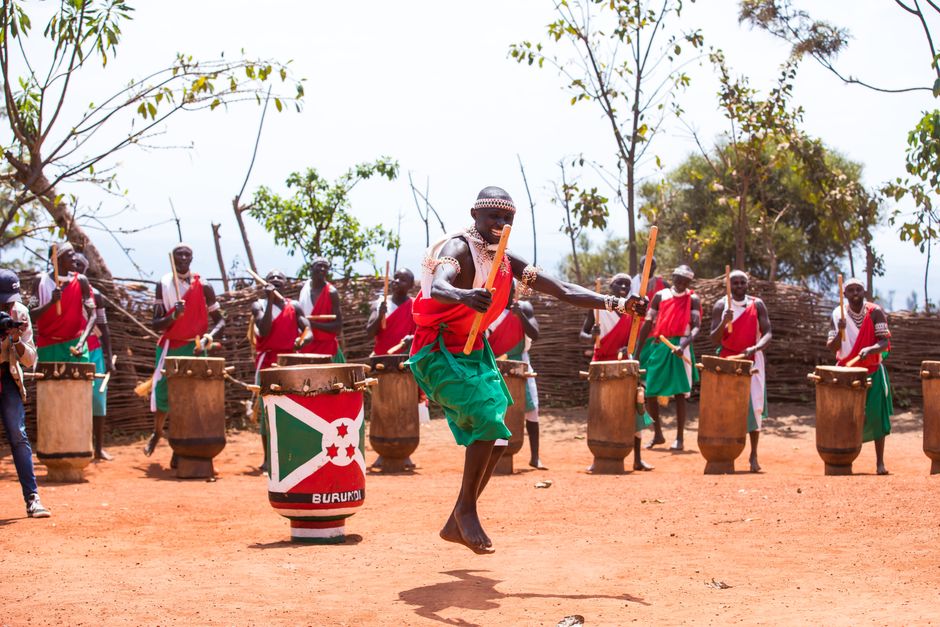
Music and dance are integral to East African culture. From the energetic Benga music of Kenya to the soulful Taarab of Tanzania, each country offers a unique musical experience.
- Benga Music: Originating from the Luo community in Kenya, Benga music is characterized by its fast-paced rhythm, typically played with traditional instruments like the nyatiti.
- Taarab: A blend of Swahili, Arabic, and Indian influences, Taarab music is popular in coastal regions and often features lyrical poetry.
"Music is the universal language of mankind." - Henry Wadsworth Longfellow
Festivals and Celebrations
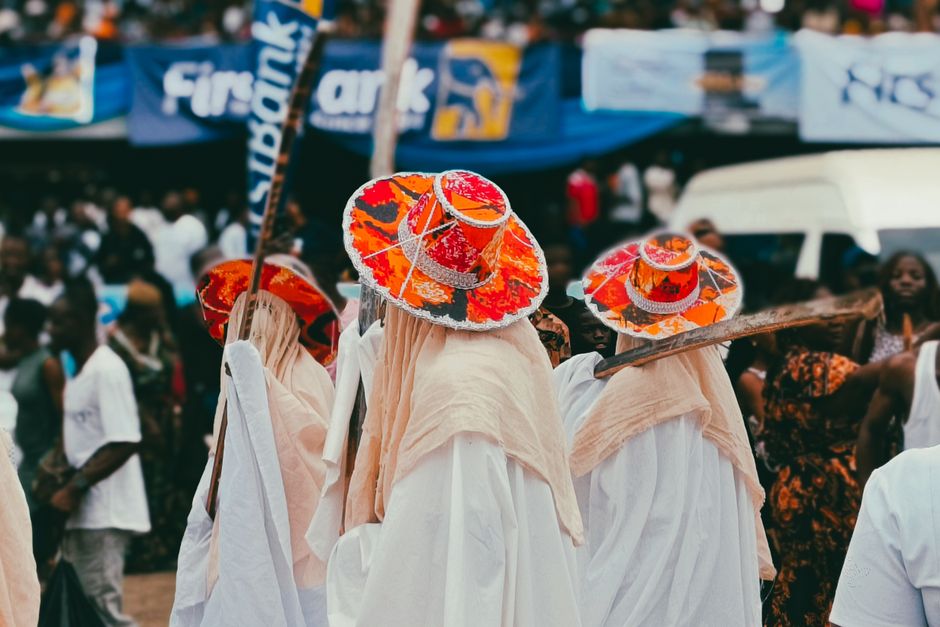
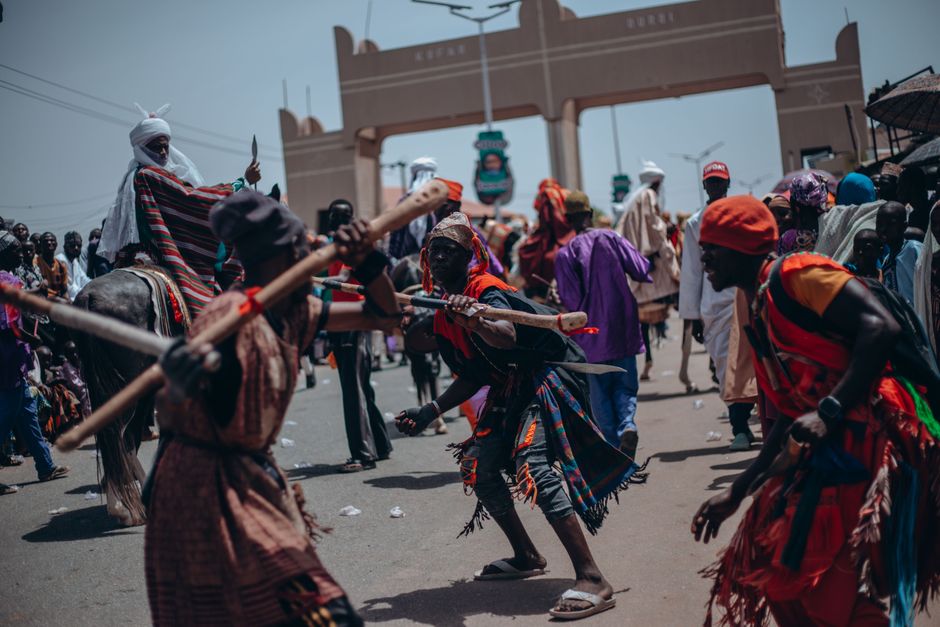
Festivals in East Africa are vibrant, colorful, and deeply rooted in tradition. They offer a glimpse into the spiritual and communal life of its people.
- Jamhuri Day: Celebrated on December 12th, this Kenyan holiday marks the country's independence and is celebrated with parades, music, and dance.
- Uhuru Torch Race: A significant event in Tanzania, symbolizing freedom and unity as the torch is carried across the country.
Culinary Delights of East Africa
Food is a central element of cultural expression, and East Africa's culinary offerings are a reflection of its rich cultural diversity.
Staple Foods
In East Africa, staple foods vary widely. Ugali, a type of maize porridge, is common in Kenya and Tanzania, while injera, a sourdough flatbread, is a staple in Ethiopia.
- Ugali: Often served with stews and vegetables, ugali is a versatile dish enjoyed by many across East Africa.
- Injera: This Ethiopian staple is not just food; it's part of the cultural identity, usually paired with spicy stews known as wat.
Unique Dishes
The region boasts a variety of unique dishes that reflect its diverse ethnic groups and historical influences.
- Matoke: A popular dish in Uganda made from cooked bananas, often served with a peanut sauce.
- Nyama Choma: Meaning "grilled meat" in Swahili, this dish is a favorite in Kenya, often accompanied by kachumbari, a fresh tomato and onion salad.
Connecting Nigerian and East African Cultures
While there are distinct differences, Nigerian and East African cultures share several similarities, making it easier for Nigerian travelers to connect and appreciate the local customs.
Shared Values
Both regions place a strong emphasis on community, family, and respect for elders, values that are integral to daily life.
- Community: Just as in Nigeria, East African communities thrive on unity and collective responsibility.
- Respect for Elders: Elders are revered and play a crucial role in decision-making and preserving traditions.
Influence of Language
Language is another bridge between Nigerian and East African cultures.
- Swahili and Hausa: Swahili is widely spoken in East Africa, and its structure and use of proverbs have similarities to Hausa, spoken in northern Nigeria.
How to Experience East African Culture
For those planning a trip to East Africa, immersing yourself in the local culture can be an enriching experience. Here are some tips:
Participate in Local Festivals
Taking part in local festivals allows you to experience the culture firsthand. Engage with locals and witness traditional performances.
Try Traditional Foods
Sampling traditional foods is a delightful way to understand the culture. Visit local markets and street vendors for authentic dishes.
Learn Basic Swahili
Learning a few basic Swahili phrases can enhance your travel experience, as it helps build a connection with locals.
Conclusion
East Africa offers a rich and diverse cultural landscape that is both welcoming and intriguing. For Nigerian travelers, exploring this region provides an opportunity to learn, connect, and appreciate the similarities and differences between cultures. Whether through music, food, or traditional festivals, East Africa promises a cultural adventure that will leave you enriched and inspired.