Welcome to the heart of West Africa, where Nigeria's Yorubaland captivates with its unique blend of tradition, history, and vibrant cultural practices. Whether you're a curious traveler or a local discovering more about your heritage, the Yoruba culture offers a treasure trove of experiences that draw you into its colorful world. Known for its elaborate festivals, traditional art forms, and deep-rooted customs, Yorubaland is not just a place, but a living narrative that continues to evolve.
In this article, we will delve into the facets of Yorubaland's culture that make it a must-visit for anyone interested in African traditions. From the rhythm of the talking drums to the intricate designs of Adire cloth, Yorubaland brims with wonders waiting to be explored. Let's embark on this cultural journey together and uncover the essence of Yoruba life.
The Rich Traditions of Yorubaland
Festivals and Celebrations
The Yoruba people celebrate a multitude of festivals throughout the year, each filled with music, dance, and vibrant colors. One of the most famous is the Osun-Osogbo Festival, an annual event that pays homage to the goddess Osun and is recognized as a UNESCO Intangible Cultural Heritage.
- Osun-Osogbo Festival: Held in Osogbo, this festival features traditional rites, elaborate costumes, and music, attracting thousands of visitors worldwide.
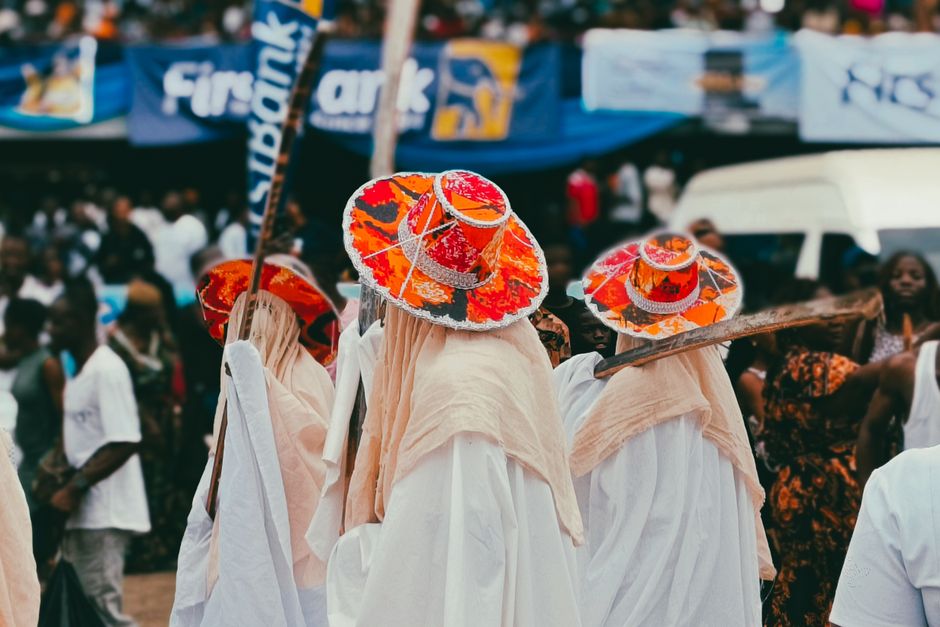
- Eyo Festival: Unique to Lagos, this festival is marked by the procession of the Eyo masquerades, clad in white robes and wide-brimmed hats.
Cultural Practices
Yoruba culture is rich with practices that have been passed down through generations. These traditions include the art of storytelling, which is a vital component of cultural transmission. It is through stories that the Yoruba people preserve their history and educate the younger generations.
The Yoruba saying, "Ile la wa ka si, ile la o si maa lo" meaning "we came from the home and to the home we shall return," encapsulates the importance of family and community.
Art and Craftsmanship
Adire and Aso-Oke
The crafting of Adire fabrics, known for their colorful patterns created through traditional tie-dyeing techniques, is a hallmark of Yoruba artistry. These textiles are not just beautiful but are often used to convey messages through their motifs.
Similarly, Aso-Oke, a handwoven cloth, is used in making traditional attire worn during special occasions. It embodies the skill and creativity of Yoruba weavers.
Sculpture and Carvings
The Yoruba are renowned for their wood carvings and sculptures, often depicting deities, ancestors, and important figures. These artworks are not only significant for their aesthetic appeal but also for their spiritual and cultural meanings.
The Influence of Religion
Traditional Beliefs
The Yoruba religion, with its pantheon of deities known as Orishas, plays a crucial role in everyday life. It is deeply intertwined with their cultural identity, influencing their worldview and practices.
Many Yoruba still engage in traditional religious practices, and these beliefs coexist with Christianity and Islam.
Places of Worship
Visiting Yorubaland's ancient shrines and temples, such as the Sacred Grove of Osun-Osogbo, offers a glimpse into the spiritual lives of the Yoruba people.
"In the heart of Yorubaland, spirituality and cultural heritage are seamlessly interwoven, forming the fabric of communal life."
Music and Dance
The Talking Drum
One cannot discuss Yoruba culture without mentioning the talking drum, an instrument capable of imitating the tones of human speech. This drum plays a central role in Yoruba music, used in ceremonial and social contexts to communicate and entertain.
Dance as Expression
Dance in Yoruba culture is more than just movement; it is a form of storytelling and emotional expression. Traditional dances, often performed during festivals and ceremonies, are vibrant and animated, reflecting the community's spirit.
Food and Cuisine
Traditional Dishes
Yoruba cuisine is known for its rich flavors and diverse ingredients. Dishes like Amala, Efo Riro, and Jollof Rice are staples that you'll find in homes and restaurants throughout Yorubaland.
- Amala: A staple made from yam flour, often enjoyed with a variety of stews.
- Efo Riro: A hearty spinach stew, seasoned with spices and often accompanied by fish or meat.
Culinary Practices
The culinary traditions of the Yoruba are not just about food; they are a reflection of their way of life, emphasizing communal eating and hospitality.
Final Thoughts
Exploring the vibrant culture of Yorubaland is an enriching experience that offers insights into the heart of Nigeria. From its dynamic festivals to its artistic expressions, the Yoruba culture remains a beacon of African heritage, inviting everyone to discover its many layers. Whether you're a visitor or a local, there's always something new to learn and appreciate in this culturally rich region.
As you continue your journey through Nigeria, remember that the heart of a culture beats strongest in its people, traditions, and stories passed down through generations. Yorubaland is a testament to the resilience and beauty of cultural preservation.