When most people think of Nigeria, they envision a land bustling with energy, innovation, and a rich tapestry of cultures. This West African powerhouse boasts a vibrant cultural scene that's as diverse as its people, offering a plethora of traditions and festivals that captivate both locals and visitors alike. Understanding these cultural experiences not only enriches your visit but also offers a unique glimpse into the heart of Nigeria.
For the Nigerian reader, it's a fascinating journey into the depths of their own backyard, oftentimes an overlooked treasure trove of heritage waiting to be rediscovered. From mesmerizing dances and colorful attire to mouth-watering dishes and rhythmic beats, Nigeria's culture is a sensory explosion that invites you to dive right in.
Join us as we explore the cultural wonders of Nigeria, delving into its most celebrated traditions and festivals. Whether you're planning a trip or simply exploring the world from the comfort of your home, this guide is your gateway to understanding and appreciating the cultural richness of Nigeria.
Understanding Nigerian Traditions
The Essence of Nigerian Traditions
Nigeria is a nation of over 250 ethnic groups, each contributing to the country's rich cultural mosaic. The essence of Nigerian traditions lies in its ability to maintain cultural values passed down through generations while adapting to modern influences.
From the Yoruba's respect for elders to the Igbo's entrepreneurial spirit and the Hausa's deep-rooted Islamic faith, each group upholds values that shape their way of life. These traditions are not only cultural identities but also form the backbone of Nigeria's community life.
Traditional Attire
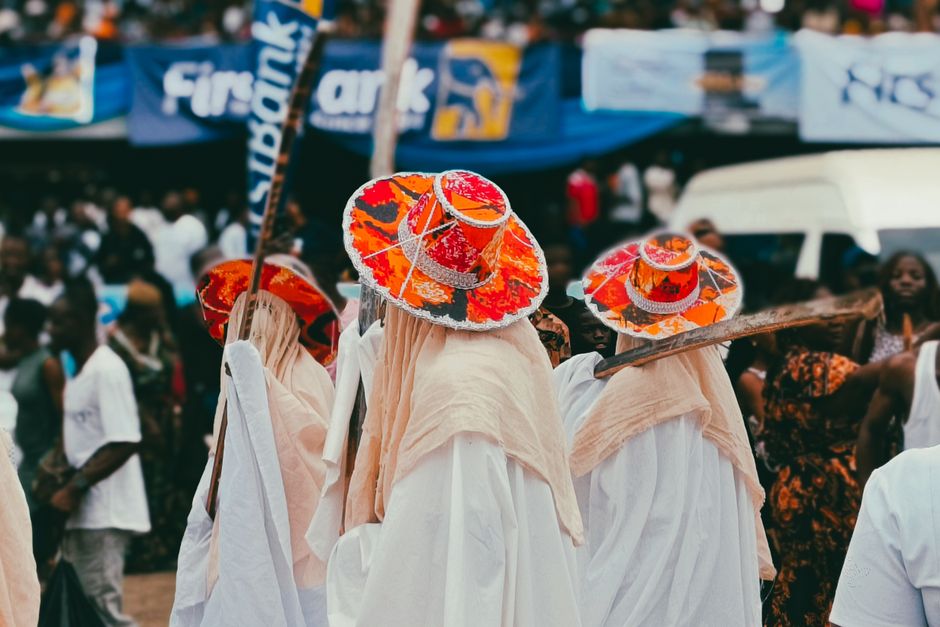
Nigerian traditional attire is a visual feast, with each ethnic group boasting its unique clothing style that reflects its cultural heritage. The vibrant Aso Ebi worn by the Yoruba during weddings, the elegant George fabrics of the Igbo, and the intricately embroidered Kaftans of the Hausa are just a few examples.
These garments are not just about style; they tell stories of society, status, and history, each pattern and color having a meaning that goes beyond aesthetics.
The beauty of Nigerian attire lies in its ability to convey identity, pride, and belonging among its people.
Unmissable Nigerian Festivals
The Durbar Festival
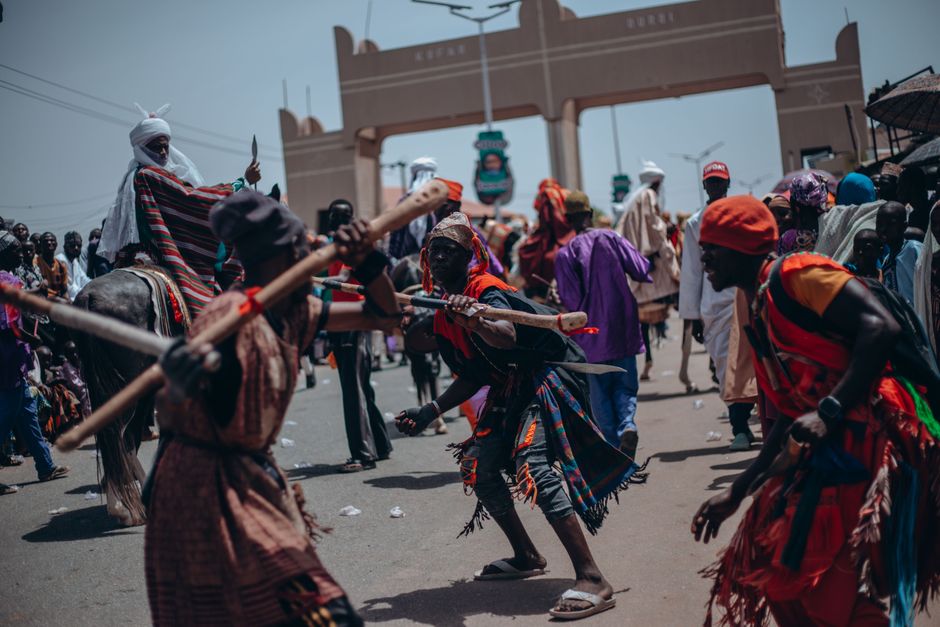
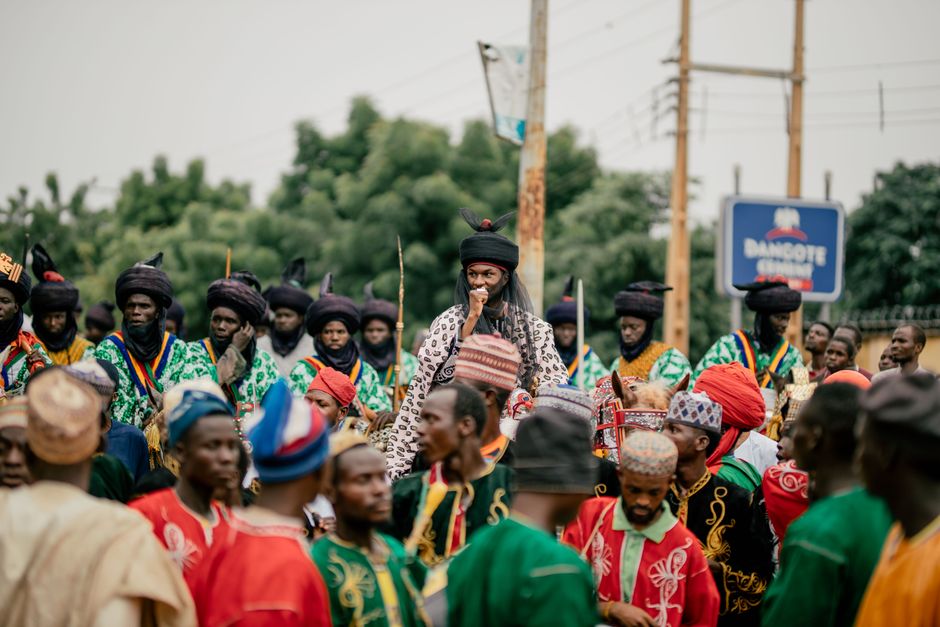
The Durbar Festival is one of the most spectacular cultural events in Nigeria, held annually in various cities in the northern region, such as Kano and Katsina. It marks the end of Ramadan and is celebrated with colorful parades, horsemen clad in traditional attire, and vibrant music. The Durbar is not just a festival; it's a majestic display of the region's history and the Emirate system.
The Calabar Carnival
Often dubbed 'Africa's Biggest Street Party,' the Calabar Carnival in Cross River State is a month-long celebration of culture and entertainment. This festival showcases Nigeria's cultural diversity through music, dance, and drama, attracting thousands of visitors both domestic and international.
- Parades featuring vibrant costumes
- Musical performances from local and international artists
- Competitions and cultural displays
Osun-Osogbo Festival
The Osun-Osogbo Festival, held in Osun State, is a unique cultural celebration dedicated to the river goddess Osun. Thousands gather at the sacred grove to partake in rituals and ceremonies that pay homage to the spirit of fertility and prosperity.
Participating in Nigerian festivals is more than spectating; it's about engaging with the community and embracing a shared cultural history.
The Role of Food in Nigerian Culture
Popular Nigerian Dishes
No exploration of Nigerian culture is complete without indulging in its cuisine. Each region serves up its specialties that reflect the local palate and agricultural bounty. A few staples include:
- Jollof Rice: A beloved dish across West Africa, often debated over for which country makes it best.
- Egusi Soup: A hearty soup made with melon seeds, popular amongst the Igbo and Yoruba.
- Suya: Skewered and spicy grilled meat, a favorite among the Hausa people.
The Communal Aspect of Dining
Food in Nigeria goes beyond nourishment; it's a communal affair that strengthens bonds. Meals are often shared among family and friends, fostering a sense of unity and togetherness.
This tradition of communal eating speaks volumes about the Nigerian spirit of hospitality and community living.
The Impact of Nigerian Music and Dance
Afrobeats and Its Global Influence
Nigerian music, particularly Afrobeats, has taken the world by storm. Pioneered by artists like Fela Kuti, and modernized by stars like Burna Boy and Wizkid, Afrobeats combines traditional rhythms with modern sounds to create infectious tunes.
The genre's rise has not only placed Nigeria on the global music map but has also influenced worldwide music styles, making it a cultural export that resonates with a broad audience.
Traditional Dances
Dance is an integral part of Nigerian culture, each ethnic group having its own traditional dances that are performed at various ceremonies and festivals. These dances often tell stories, convey messages, and are a powerful form of expression.
- Yoruba Bata Dance: Known for its intricate footwork and drumming.
- Igbo Atilogwu Dance: Energetic and acrobatic, showcasing agility and artistry.
- Hausa Koroso Dance: Involves graceful movements and colorful costumes.
Final Thoughts
Nigeria's cultural richness offers visitors an opportunity to experience a vibrant way of life that is deeply rooted in tradition yet open to global influences. Whether you're drawn to its festivals, cuisine, or music, Nigeria invites you to explore its diverse heritage.
For Nigerians, embracing these cultural elements is a reminder of their identity and a celebration of what makes them unique. The next time you're in Nigeria, take the time to experience its culture, immerse yourself in its festivals, and savor its flavors. It's a journey you won't soon forget.