When you think of African culture, Nigeria often stands out for its rich and diverse cultural heritage. Known as the Giant of Africa, Nigeria is home to over 250 ethnic groups, each with its unique traditions and customs. From the energetic beats of traditional music to the vibrant colors of festivals, Nigeria offers a captivating experience that reflects its complex history and contemporary dynamism.
Nigerians take great pride in their culture, which is evident in their day-to-day lives. Whether you're attending a local festival or enjoying a meal at a bustling Lagos market, you'll find that the spirit of Nigeria is palpable everywhere you go. For Nigerian readers, this exploration of their homeland’s culture is not just about revisiting familiar stories but also uncovering new layers of understanding.
In this article, we'll embark on a journey through the heart of Nigerian culture, highlighting key elements that make it stand out on the global stage. You'll discover how traditional music, food, and festivals contribute to a vibrant cultural landscape that is as dynamic as it is diverse.
The Melodic Heart of Nigeria: Its Music
The Roots of Nigerian Music
Nigerian music is a profound reflection of its society. From the traditional sounds of the Yoruba, Igbo, and Hausa to the contemporary Afrobeat, music in Nigeria is as diverse as its people. Each ethnic group contributes its unique flavor, creating a rich tapestry of sounds that resonate both locally and internationally.
Traditional Nigerian music often involves complex rhythms and a variety of instruments like the talking drum and shekere. Music is not just entertainment in Nigeria; it's a storytelling medium, a means of communication, and a vital part of many ceremonies and rituals.
Afrobeat: Nigeria’s Global Groove
Afrobeat, pioneered by the legendary Fela Kuti, has put Nigerian music on the global map. Known for its energetic rhythms and socially conscious lyrics, Afrobeat combines elements of funk, jazz, highlife, and traditional African rhythms. It’s not just a genre; it’s a movement that speaks to the heart of African resilience and creativity.
"Music is the weapon of the future," Fela Kuti once said, encapsulating how music serves as both a form of cultural expression and a tool for social change.
Tasting Nigeria: Culinary Delights
Staple Foods and Signature Dishes
Nigerian cuisine is an adventure for the tastebuds. Known for its bold flavors and spices, Nigerian food is as diverse as its culture. Some popular dishes include Jollof rice, suya, and egusi soup. These dishes are not just meals but an integral part of Nigerian celebrations and gatherings.
Jollof rice, for instance, is a beloved dish across West Africa, but the Nigerian version, with its rich tomato base and spicy kick, is particularly famous. Suya, a spicy meat skewer, is a favorite street food that showcases the country's love for grilled meat.
Markets: The Soul of Nigerian Cuisine
Nigerian markets are bustling hubs of activity, filled with the vibrant colors of fresh produce and the rich aromas of spices. Visiting a market in Lagos or Abuja is an experience like no other, offering a glimpse into the daily life and culinary habits of Nigerians.
- Visit Balogun Market in Lagos for a wide variety of goods, including fresh foods.
- Explore the Wuse Market in Abuja, known for its diverse selection of local produce.
Celebrating Nigeria: Festivals and Traditions
Cultural Festivals
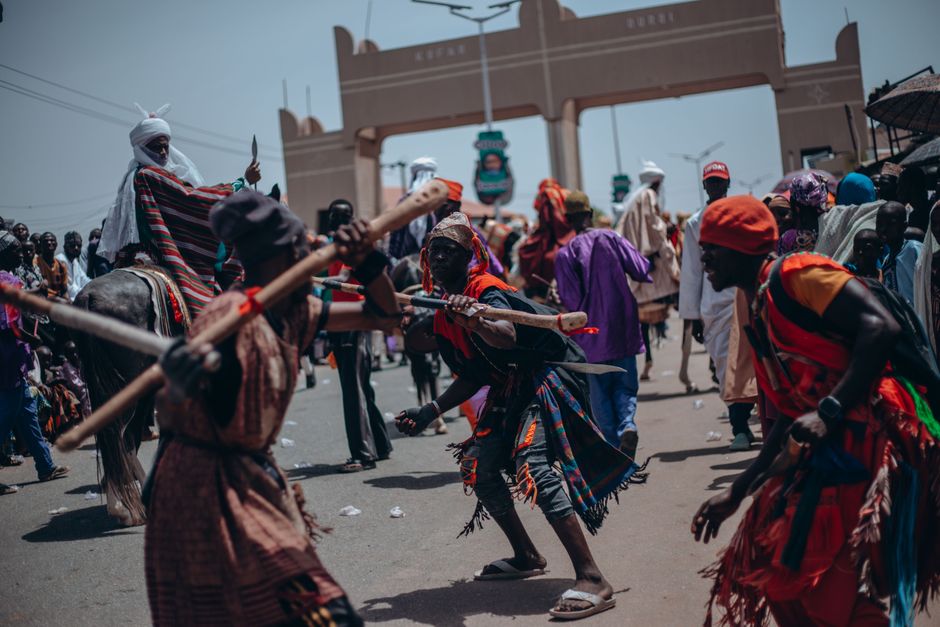
Nigeria hosts a multitude of festivals throughout the year, each celebrating a unique aspect of its diverse cultures. The Argungu Fishing Festival is one of the most famous, drawing visitors from all over the world to witness this grand event held in Kebbi State.
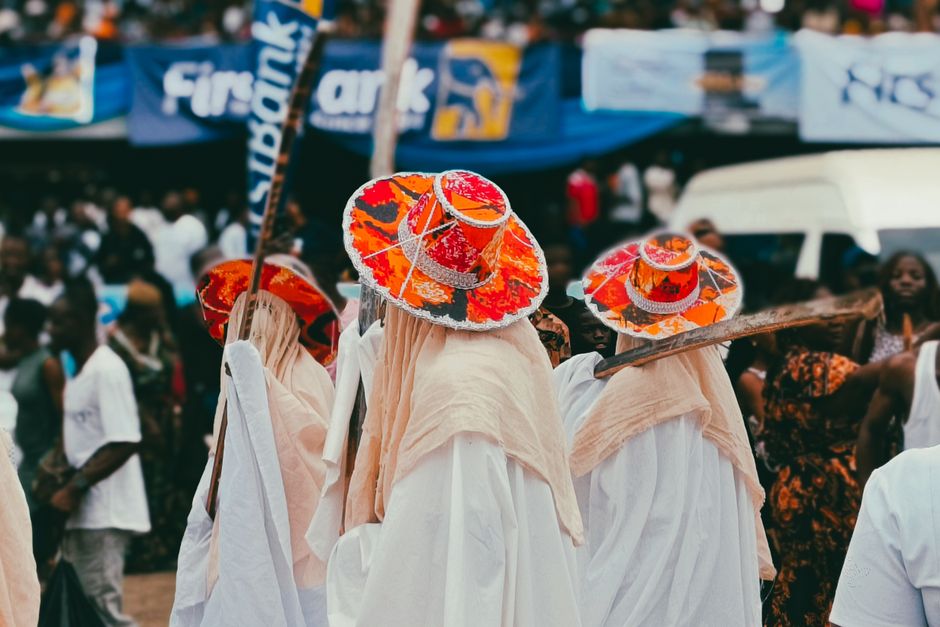
The Eyo Festival in Lagos, on the other hand, is a traditional Yoruba festival that features a grand parade of participants dressed in white costumes and masks. It’s a spectacle that celebrates ancestry and community.
Modern Celebrations
Beyond traditional festivals, Nigeria also celebrates modern events like the Lagos Fashion Week, which highlights the creativity and innovation of Nigerian fashion designers. Such events showcase how Nigeria blends its rich traditions with contemporary influences, creating a unique cultural fusion.
Art and Literature: The Intellectual Pulse
Nigerian Art: A Visual Feast
Nigerian art is a vivid expression of its cultural identity. From traditional crafts and textiles to modern art pieces, Nigerian artists have made significant contributions to the global art scene. Benin Bronzes and Nok Terracotta are examples of the country's rich artistic heritage.
Literary Giants
Nigeria is also home to some of Africa’s most celebrated writers like Chinua Achebe and Wole Soyinka. Their works not only entertain but also provide profound insights into Nigerian society and its complexities.
Their stories, while deeply rooted in Nigerian culture, resonate globally, reflecting universal themes of identity, struggle, and resilience.
Conclusion
Nigeria's culture is a living, breathing entity that continues to evolve. It is a tapestry woven from the threads of its diverse ethnic groups, each contributing to the nation's rich cultural identity. From music to food, festivals to art, Nigeria offers a vibrant cultural experience that is both unique and universally relatable.
For our Nigerian readers, this exploration of your culture is a reminder of the richness that surrounds you. For those looking from the outside, it is an invitation to discover the warmth, diversity, and dynamism that is quintessentially Nigerian.
"Nigeria is not just a country; it is a world of its own." This sentiment captures the essence of a nation where tradition and modernity dance together, creating a cultural symphony that is as timeless as it is contemporary.