East Africa is a region renowned for its stunning landscapes, diverse wildlife, and perhaps most captivatingly, its vibrant culture and traditions. For Nigerian travelers seeking to explore new cultural dimensions, East Africa offers a tapestry of experiences that are as enriching as they are diverse. From the rhythmic beats of traditional music to the colorful attire of local festivals, East Africa is a melting pot of cultural expressions that reflect its historical influences and contemporary evolution.
As you plan your journey across this fascinating region, you'll discover that each country within East Africa has its unique cultural identity. This guide delves into the heart of East African culture, offering insights into its music, dance, art, and festivals. Whether you're a first-time visitor or a seasoned traveler, embracing the local culture will enhance your travel experience and leave you with unforgettable memories.
The Rhythm of East Africa: Music and Dance
The Soulful Tunes of Traditional Music
East African music is a rich tapestry woven with influences from indigenous traditions, colonial history, and modern innovations. Countries like Kenya, Tanzania, and Uganda boast a diverse range of musical styles that are both unique and universally appealing.
In Kenya, Benga music stands out with its joyful and rhythmic beats, often accompanied by vibrant dance moves. Tanzanian Taarab music, on the other hand, blends African, Arab, and Indian influences, creating an enchanting soundscape that speaks of the country's multicultural history.
"Music in East Africa is not just for entertainment; it's a vital part of storytelling, community bonding, and cultural preservation."
- Benga: Originating from Kenya, characterized by fast-paced rhythms and lively performances.
- Taarab: A Swahili music genre incorporating African, Arab, and Indian elements.
- Kwaito: A genre popular in Tanzania, influenced by house music and hip hop.
The Art of Dance
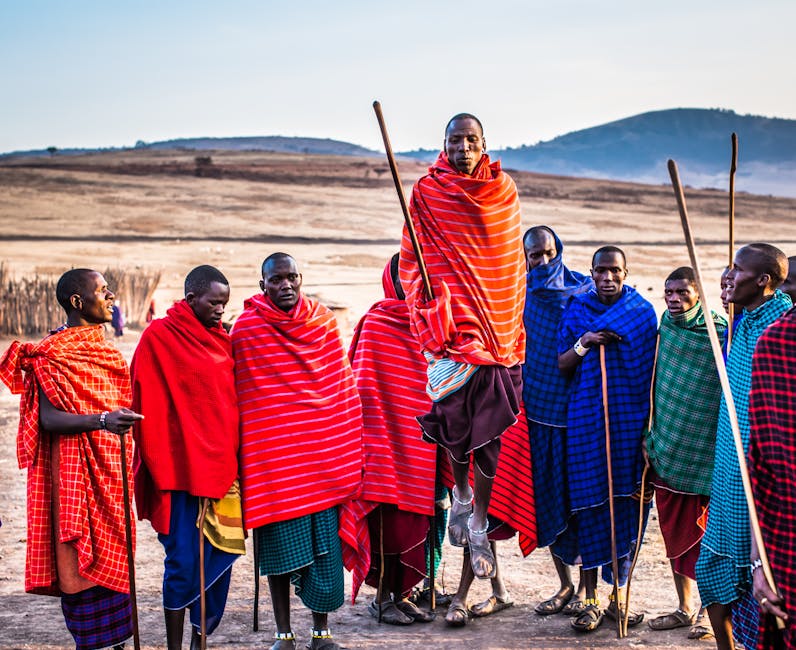
Dance is an integral part of East African culture, reflecting the region's diverse ethnic groups and their rich traditions. From the energetic Maasai dances to the intricate Uganda's Bakisimba dance, each dance style tells a story and forms a crucial part of community celebrations.
Maasai warriors, known for their jumping dance called "Adumu," perform during celebrations and rites of passage, symbolizing strength and unity. Meanwhile, the Bakisimba dance of Uganda is performed to honor the king and celebrate important cultural events.
"Dance is a universal language in East Africa, conveying stories and emotions through movement and rhythm."
Art and Craftsmanship: A Visual Feast
Traditional Art Forms
East African art is a vibrant expression of its people's creativity and cultural heritage. From intricate beadwork by the Maasai to the colorful Tingatinga paintings of Tanzania, the region's art captures the essence of its landscapes, wildlife, and daily life.
In Uganda, the Batwa people are known for their unique pottery, while Kenyan artisans craft beautiful sculptures and masks that tell stories of their ancestors and traditions.
- Maasai Beadwork: Known for elaborate designs and symbolic meanings, often used in jewelry and adornments.
- Tingatinga Paintings: A colorful art style originating in Tanzania, depicting everyday life and wildlife scenes.
- Ugandan Pottery: Crafted by the Batwa, using traditional techniques passed down through generations.
Modern Art and Its Evolution
While traditional arts remain significant, East Africa's contemporary art scene is thriving, with artists experimenting with new forms and media to address social issues and celebrate cultural diversity. Cities like Nairobi and Kampala are home to vibrant art galleries and exhibitions that showcase both local and international talent.
These modern artworks often blur the lines between traditional and contemporary, offering fresh perspectives on identity and community in a rapidly changing world.
"East Africa's art scene is a dynamic blend of tradition and innovation, reflecting the region's ongoing cultural evolution."
Festivals and Celebrations: A Time of Joy
Cultural Festivals
Festivals in East Africa are grand celebrations that offer visitors a chance to experience the region's cultural diversity and hospitality. From music festivals to traditional ceremonies, these events provide a unique insight into local customs and communal life.
The Zanzibar International Film Festival is a world-renowned event that attracts filmmakers and audiences from all over the globe, celebrating African cinema and storytelling. Similarly, Kenya's Lamu Cultural Festival showcases the Swahili culture with traditional dhow races, poetry readings, and art exhibitions.
- Zanzibar International Film Festival: Celebrates African films and cultural heritage, held annually in Zanzibar.
- Lamu Cultural Festival: A celebration of Swahili culture, featuring traditional music, art, and dhow races.
- Ugandan Martyrs Day: A significant religious and cultural event commemorating the Ugandan martyrs.
Religious Celebrations
Religious festivals also play a significant role in the cultural landscape of East Africa, marking important spiritual and communal milestones. These events often involve elaborate rituals, traditional music, and communal feasting.
In Uganda, Martyrs Day is a major religious event that draws pilgrims from across the region to honor the Christians who were martyred for their faith in the late 19th century. Meanwhile, in Tanzania, the Swahili Festival, or "Mwaka Kogwa," celebrates the Persian New Year with colorful rituals and festivities.
"Festivals in East Africa are not just events; they are experiences that immerse you in the heart of the local culture."
The Culinary Journey: East African Flavors
Traditional Cuisine
The culinary scene in East Africa is as diverse as its cultures, offering a rich array of flavors and ingredients that reflect the region's agricultural abundance and historical influences. Staple dishes often include maize, rice, and plantains, accompanied by a variety of meats, vegetables, and spices.
In Kenya, "Ugali" is a popular dish made from maize flour, often served with nyama choma (grilled meat) and sukuma wiki (collard greens). Tanzania's "Pilau" is a spiced rice dish that showcases the influence of Indian and Arabic cuisines.
- Ugali: A staple food in Kenya, made of maize flour, served with various accompaniments.
- Pilau: A Tanzanian rice dish infused with spices, reflecting the region's multicultural influences.
- Matoke: A banana-based dish popular in Uganda, often served with stews and sauces.
Contemporary Dining Experiences
East Africa's dining scene is evolving, with a growing number of restaurants and eateries offering innovative takes on traditional dishes. In major cities like Nairobi and Dar es Salaam, chefs are experimenting with fusion cuisines that blend local ingredients with international flavors.
These dining experiences not only showcase the region's culinary creativity but also offer a platform for local chefs to gain international recognition.
"The culinary heritage of East Africa is a feast for the senses, combining traditional flavors with modern innovations."
Final Thoughts
Exploring the culture and traditions of East Africa offers a unique opportunity to connect with its people and history. From the joyous beats of its music to the vibrant colors of its art, East Africa invites you to experience its rich cultural heritage and dynamic evolution. As you travel through this captivating region, embrace the warmth and hospitality of its people, and let the rhythm of East Africa leave an indelible mark on your heart.
Whether you're attending a festival, savoring a local dish, or admiring a piece of art, the cultural journey in East Africa is one of discovery and appreciation, offering insights into the diverse tapestry of life that defines this extraordinary region.