Nigeria, known as the Giant of Africa, is not just a powerhouse of economic potential but also a melting pot of rich cultural heritage. With over 250 ethnic groups, the country's cultural diversity is a vibrant tapestry that draws travelers and culture enthusiasts from around the globe. Exploring Nigerian culture means diving deep into its traditions, music, dance, art, and culinary delights. Whether you're a Nigerian rediscovering your roots or a curious traveler eager to experience something new, Nigeria offers a plethora of cultural experiences that are both enlightening and entertaining.
Walking through the bustling streets of Lagos, attending a Yoruba festival, or savoring the spicy flavors of a local dish in a village in Enugu, each experience is a window into the heart of Nigerian life. The richness of Nigerian culture is not just in its age-old traditions but also in the way it embraces modernity without losing its identity. So, what makes Nigerian culture so unique and intriguing? Let's take a closer look.
The Diversity of Nigerian Ethnic Groups
Nigeria is home to a variety of ethnic groups, each with its own distinct culture and traditions. The three largest ethnic groups—the Yoruba, Hausa, and Igbo—make up a significant portion of the population, but there are also many smaller groups, each contributing to the country's cultural mosaic.
Yoruba Culture
The Yoruba people, primarily located in Western Nigeria, are known for their vibrant art, intricate beadwork, and expressive music and dance. Their traditional religion, which includes the worship of gods like Sango and Ogun, is practiced alongside Christianity and Islam.
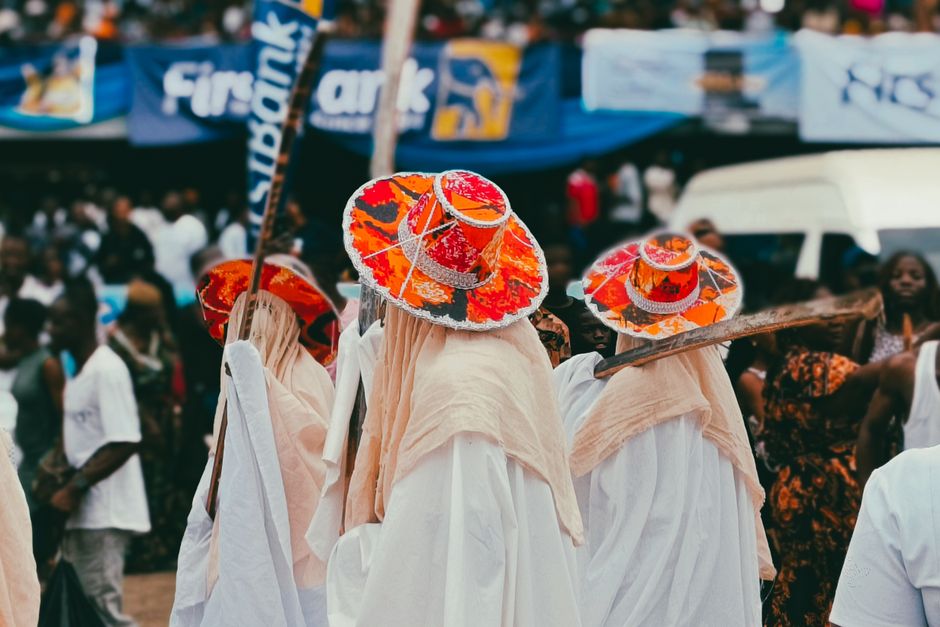
- The Yoruba are famous for their elaborate festivals, such as the Eyo Festival in Lagos, which features a stunning parade of performers in traditional costumes.
- Their cuisine, featuring dishes like amala and efo riro, is a delightful blend of flavors that reflect their agricultural heritage.
Hausa Traditions
The Hausa, primarily found in the northern part of Nigeria, have a rich tradition of storytelling, music, and craftsmanship. Their culture is deeply influenced by Islam, which is reflected in their art and architecture.
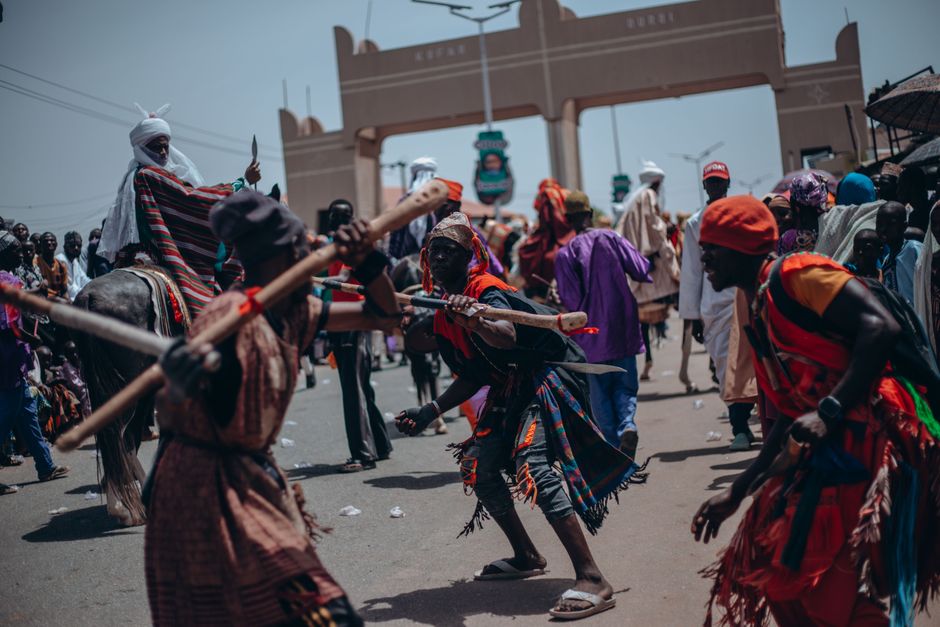
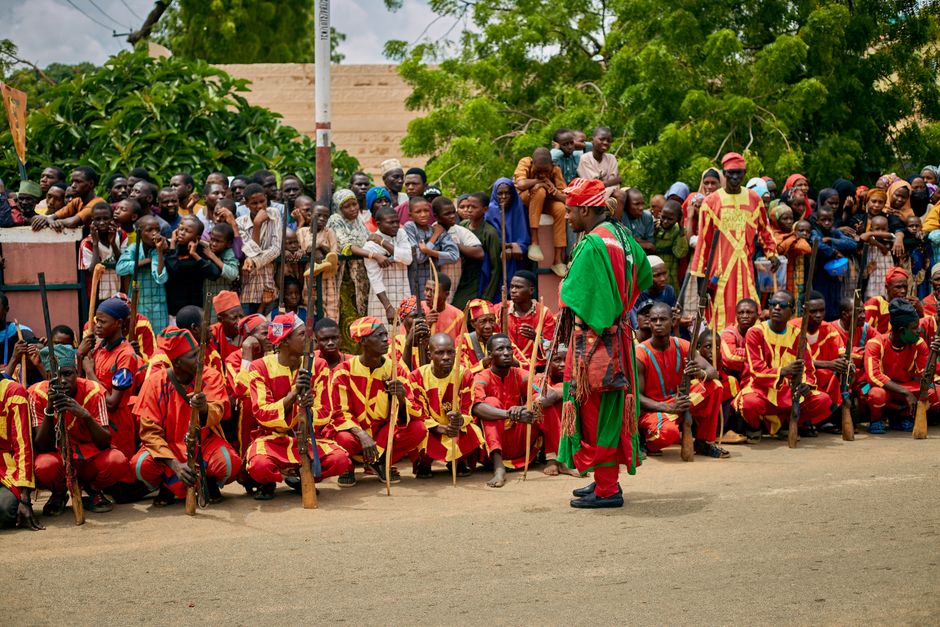
The Hausa-Fulani culture is renowned for its grand durbar festivals, where horsemen display their skills in colorful attire.
Food is also central to Hausa culture, with delicacies like suya (spicy meat skewer) and jollof rice holding a special place in their culinary tradition.
Igbo Heritage
The Igbo people, predominantly in the southeastern region, are known for their entrepreneurial spirit, vibrant masquerades, and intricate music.
- Their festivals, such as the New Yam Festival, are celebrated with great pomp and color, marking the harvest season.
- Igbo cuisine features rich, hearty dishes like ofe nsala and fufu, which are staples in their diet.
The Allure of Nigerian Festivals
Nigerian festivals are a true reflection of the country's cultural diversity and creativity. These events are not only a feast for the eyes but also provide an opportunity to experience the deep cultural roots of the communities.
Lagos Carnival
The Lagos Carnival is one of the most colorful and vibrant festivals in Nigeria. It is a celebration of the city's cosmopolitan nature and features a parade of costumes, music, and dance.
Osun-Osogbo Festival
This UNESCO-recognized cultural event takes place in Osogbo, celebrating the sacred Osun River goddess. It attracts thousands of visitors who partake in traditional rites and ceremonies.
Culinary Delights of Nigeria
A journey through Nigerian culture is incomplete without indulging in its rich culinary traditions. Nigerian food is known for its bold flavors, aromatic spices, and diverse ingredients.
Traditional Dishes
Nigerian food is as diverse as its culture. Each ethnic group has its unique dishes that reflect its lifestyle and environment.
- Jollof Rice: A popular dish across West Africa, Nigerian Jollof rice is known for its rich, smoky flavor.
- Pounded Yam and Egusi Soup: A staple in many Nigerian homes, this dish is a favorite comfort food.
Street Food and Snacks
Nigerian street food is a must-try for any traveler. From suya to akara, the streets are filled with delicious, ready-to-eat options.
Arts and Crafts in Nigeria
The artistic traditions of Nigeria are vast and varied, ranging from intricate beadwork to vibrant paintings. Nigerian art is not only a form of expression but also a way of preserving cultural heritage.
Traditional Nigerian Art
Traditional Nigerian art often tells stories and depicts scenes from everyday life, using materials like wood, metal, and fabric.
Nigerian artists today continue to draw inspiration from their rich cultural history, blending traditional techniques with modern styles.
Contemporary Nigerian Art
Modern Nigerian artists are gaining international recognition, with galleries in cities like Lagos showcasing contemporary works that reflect the country's dynamic culture.
Conclusion
Nigeria's cultural richness is a testament to its historical resilience and creativity. From its diverse ethnic traditions to its vibrant festivals and flavorful cuisine, Nigerian culture offers a wealth of experiences that enrich the soul and broaden the understanding of this multifaceted nation. Whether you're exploring the bustling streets of Lagos, attending a colorful festival, or simply enjoying a hearty Nigerian meal, each moment spent in this incredible country is an opportunity to learn and appreciate the beautiful mosaic that is Nigerian culture.