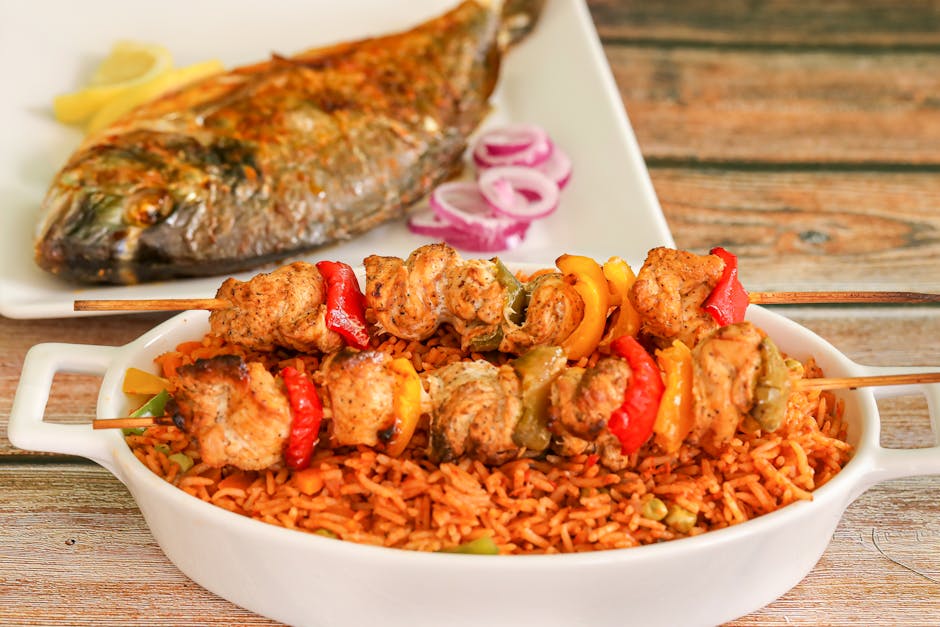
Nigerian cuisine is a vibrant tapestry of flavors, aromas, and cultural significance. Whether you're a food enthusiast or just curious about new tastes, diving into the world of Nigerian food is like opening the doors to a rich history and diverse traditions. Here, we'll take you on a culinary journey across Nigeria, exploring popular dishes, regional specialties, and the cultural aspects that make Nigerian food truly unique.
The Staples of Nigerian Cuisine
Nigerian cuisine is characterized by its reliance on a variety of staple foods that form the base of most meals. These staples are not just essential for nutrition but also carry deep cultural significance.
Jollof Rice
If there's one dish that unites Nigerians, it's Jollof rice. This iconic dish is a spicy, tomato-based rice dish that is often served at celebrations and gatherings. Its origin is a subject of friendly rivalry among West African nations, but Nigeria's version is particularly beloved.
The secret to a perfect Jollof lies in its well-balanced spices and the choice of basmati or long-grain parboiled rice. It's typically cooked with onions, tomatoes, red pepper, and a variety of seasonings.
Pounded Yam and Egusi Soup
Pounded yam is a smooth, dough-like dish made from boiled yams, and it's a beloved staple across Nigeria. It's often paired with Egusi soup, a rich and hearty soup made from ground melon seeds, vegetables, and a choice of meat or fish.
- Egusi soup is known for its creamy texture and nutty flavor.
- Pounded yam is traditionally made by pounding boiled yams until they reach a smooth consistency.
Expert Tip: Try adding a touch of crayfish powder to your Egusi soup for an authentic Nigerian taste.
Regional Delicacies
Nigeria's diverse regions each boast their own unique culinary specialties. From the spicy dishes of the south to the milder flavors of the north, there's something to suit every palate.
Akara and Moi Moi
Popular in the southwestern region, Akara and Moi Moi are delicious bean-based dishes. Akara, deep-fried bean cakes, are a common breakfast or snack option, while Moi Moi is a steamed bean pudding enjoyed as an accompaniment to rice or other main dishes.
The key to a good Akara lies in its crunchy exterior and soft interior, achieved by frying the blended bean paste to perfection.
Suya
Originating from the northern regions, Suya is a spicy meat skewer that has become a nationwide favorite. Made with beef, chicken, or fish, Suya is seasoned with a blend of ground peanuts, cayenne pepper, and other spices before being grilled over an open flame.
- Suya is often served with sliced onions and tomatoes, adding a fresh crunch to the robust flavors.
- It's a popular street food, perfect for quick bites or casual gatherings.
Cultural Significance of Nigerian Food
Food in Nigeria is more than just sustenance; it plays a crucial role in social and cultural activities. Meals are often communal and serve as a way to strengthen bonds among family and friends.
Food and Festivities
During festive seasons, food is central to the celebrations. Dishes like Jollof rice and fried plantains are staples at weddings, birthdays, and holidays.
Key Takeaway: Sharing meals is an integral part of Nigerian hospitality, symbolizing unity and generosity.
Traditional Cooking Methods
Many Nigerian dishes are prepared using traditional methods passed down through generations. The use of open fires, clay pots, and locally sourced ingredients reflects a deep connection to the land and its resources.
Where to Experience Nigerian Cuisine
For those eager to experience Nigerian cuisine firsthand, there are several local and international options available.
Local Eateries and Street Food
Nigerian cities are brimming with local eateries and street food vendors offering authentic flavors. Whether you're in Lagos or Abuja, you'll find a variety of options to explore the culinary landscape.
International Nigerian Restaurants
Nigerian cuisine has made its mark on the global food scene, with numerous restaurants serving traditional dishes in cities around the world. These establishments offer a taste of home for the diaspora and introduce new audiences to the delights of Nigerian cooking.
Conclusion
Nigerian cuisine is a reflection of the nation's rich cultural tapestry. From its beloved staples to its regional delicacies, it offers a culinary experience that is both diverse and deeply rooted in tradition. Whether you're enjoying a hearty bowl of Jollof rice with friends or savoring a spicy Suya skewer, the flavors of Nigeria are sure to leave a lasting impression.