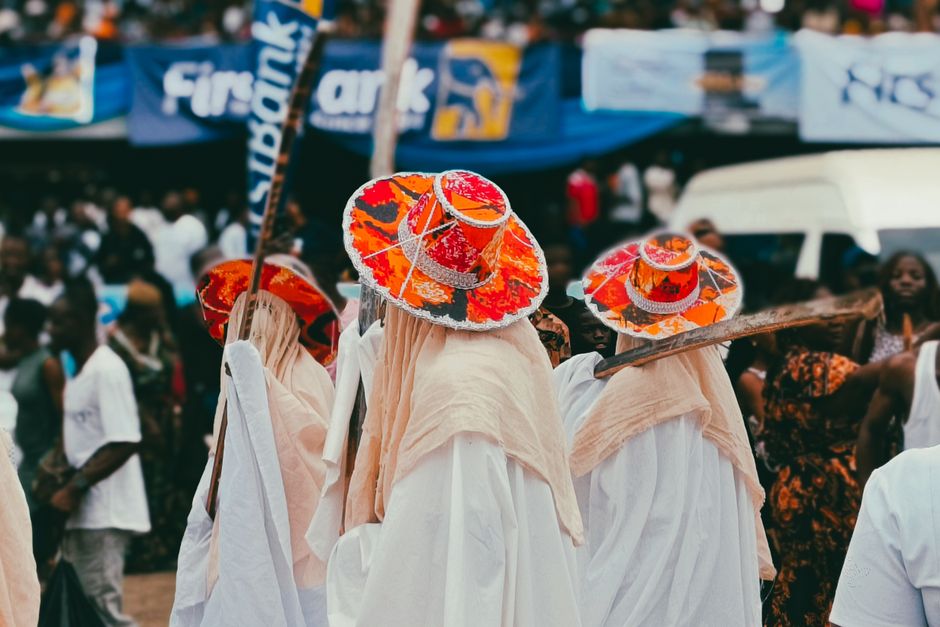
Africa's cultural diversity is nothing short of mesmerizing. With over 3,000 tribes and more than 2,000 languages spoken, the continent is a tapestry of vibrant traditions and unique practices. From the bustling markets of Lagos to the tranquil Maasai villages in Kenya, each corner of Africa tells a story through its traditions. Exploring African culture is a journey through time, revealing the creativity and resilience of its people.
This exploration becomes even more fascinating when you consider the depth and diversity within each culture. For Nigerian readers, understanding African traditions is not just about looking outward but also about connecting with the heritage that forms the backbone of society. Whether it’s the rhythmic beats of traditional music or the intricate patterns of local art, these elements are deeply ingrained in everyday life.
Let us delve into the heart of Africa and uncover the cultural richness that awaits. We’ll explore the music that moves us, the art that speaks to us, and the festivals that bring communities together. These elements are more than just traditions; they represent a way of life, a connection to the past, and a promise for the future.
The Melodic Soul of Africa: Music and Dance
Music and dance are integral to African culture. They serve not only as entertainment but also as a means of storytelling and preserving history. Each region across Africa has its unique musical style, deeply rooted in the community's way of life.
The Significance of Drumming
Drumming is perhaps one of the most recognizable elements of African music. In many cultures, drums are used in rituals, ceremonies, and communal gatherings. The talking drum, for example, is a popular instrument among the Yoruba people of Nigeria, used to communicate and narrate stories.
"Music in Africa is not just sound; it's a narrative, a call to community and a celebration of life."
Traditional Dance Forms
Dance in Africa is often a community affair, and the movements are filled with symbolic meaning. The Zulu war dance and the Igbo masquerade dance are just two examples of how dance is used to convey stories and social values. These dances are often performed during festivals and important social events.
- Zulu War Dance: A display of strength and unity.
- Igbo Masquerade Dance: Represents ancestral spirits and is central to Igbo cultural festivals.
Artistic Expressions: Craftsmanship Across Africa
Art in Africa is as diverse as its people, often reflecting the religious and cultural beliefs of the community. From beadwork to sculpture, African art is characterized by its boldness and intricate details.
Beadwork and Jewelry
The Maasai of Kenya are known for their colorful beadwork, which is more than just decorative. Each piece of jewelry tells a story about the wearer, indicating social status, age, or marital status. Nigerian beadwork is equally significant, with coral beads often used in royal ceremonies.
Sculpture and Masks
African sculptures and masks often carry spiritual significance and are used in rituals and ceremonies. The Benin Bronze sculptures of Nigeria are renowned for their exquisite detail and historical importance.
- Benin Bronze: Represents the rich heritage of the Edo people.
- Yoruba Masks: Used in festivals and ceremonies to honor the deities.
Festivals and Celebrations: The Heartbeat of Community
Festivals in Africa are vibrant, colorful, and full of life. They offer a glimpse into the community's cultural priorities, celebrating everything from harvests to ancestral spirits.
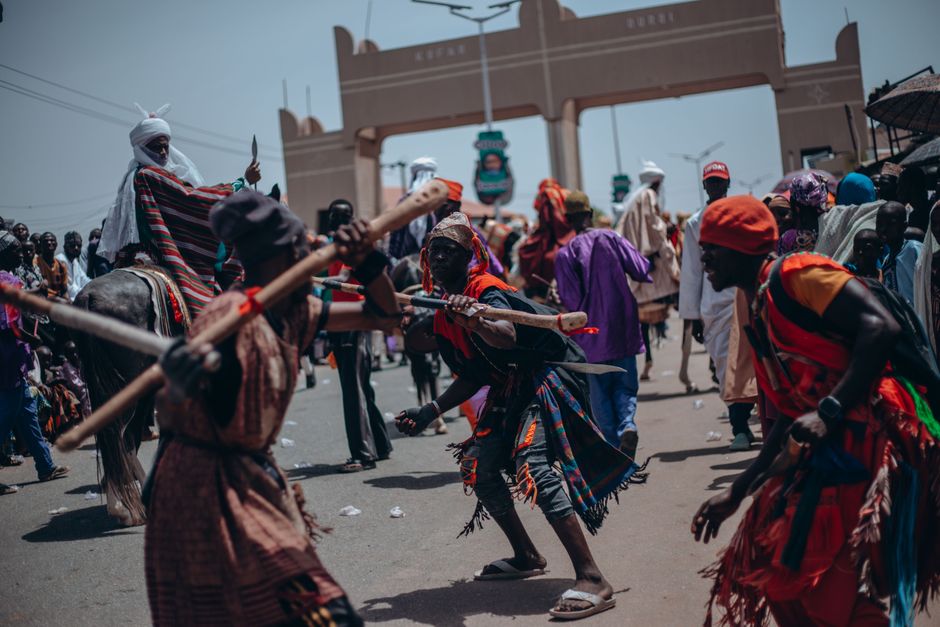
The Durbar Festival
Held in Northern Nigeria, the Durbar Festival is a grand display of horsemanship and military pageantry. It marks the end of Ramadan and is a symbol of national and religious unity.
The Lake Turkana Festival
In Kenya, the Lake Turkana Festival celebrates the cultural heritage of the communities around Lake Turkana. It brings together different tribes, showcasing their music, dance, and art.
- Durbar Festival: A showcase of cultural pride and unity.
- Lake Turkana Festival: A celebration of diversity and harmony among tribes.
The Role of Storytelling in Preserving Culture
Storytelling is a fundamental aspect of African culture, used to pass down knowledge, values, and history from generation to generation. These stories are often conveyed through folktales, proverbs, and songs.
Folktales and Proverbs
Folktales are an essential part of African oral tradition, often featuring animals with human characteristics to impart moral lessons. Proverbs are also widely used, encapsulating wisdom in a few words.
"An African proverb: 'Wisdom does not come overnight.' - Reflects the importance of patience and learning through experience."
Modern Storytelling: The Evolution of Tradition
While traditional storytelling methods remain popular, modern mediums like film and literature are also gaining ground. Nollywood, Nigeria's film industry, plays a significant role in preserving and promoting African stories on a global scale.
Conclusion
Exploring African culture is more than just an observation; it's an immersive experience that enriches our understanding of humanity. For Nigerians and others who call Africa home, these cultural practices are a source of pride and identity. They remind us of our roots and inspire us to preserve these traditions for future generations.
Whether through the beat of a drum, the elegance of a dance, or the wisdom of a story, African culture is a testament to the continent's rich history and its promising future. Embracing this diversity not only strengthens our cultural identity but also enriches the global tapestry.