West Africa is a region rich in cultural diversity, where tradition and modernity blend seamlessly to create a vibrant tapestry of life. For many Nigerian readers, exploring the vast cultural landscape of West Africa offers an opportunity to connect with shared histories, unique traditions, and the everyday rhythms that define this enchanting part of the continent.
From the bustling markets of Lagos to the serene landscapes of the Sahel, West African cultures provide a kaleidoscope of experiences that celebrate creativity, resilience, and community. Whether you're a seasoned traveler or a curious reader, this guide will take you on an unforgettable journey through the heart of West Africa's cultural treasures.
In this article, we'll delve into the rich traditions, festivals, and artistic expressions that make West Africa a must-visit destination. We'll also look at how these cultural elements resonate with Nigerians, offering a familiar yet unique perspective on this dynamic region.
The Heart of West African Traditions
The Role of Oral Traditions
Oral traditions are the backbone of West African cultures, serving as the primary means of preserving history, folklore, and social norms. In Nigeria, griots (traditional storytellers) are revered as custodians of history, maintaining the lineage of clans and recounting heroic tales through epic narrations.
"Griots are the living libraries of West Africa, preserving the wisdom and traditions of our ancestors."
These oral traditions are not only a means of entertainment but also a vital way of passing down values and wisdom to younger generations.
Music and Dance
Music and dance are integral to West African culture, with each region offering unique rhythms and movements. In Nigeria, the beats of the talking drum resonate across the land, while highlife music sets the tone for celebrations and gatherings.
- Talking drum: A traditional percussion instrument capable of mimicking the tone and prosody of human speech.
- Highlife music: A genre that blends African traditional sounds with Western instruments, popular in Nigeria and Ghana.
Colorful Festivals Across the Region
The Durbar Festival
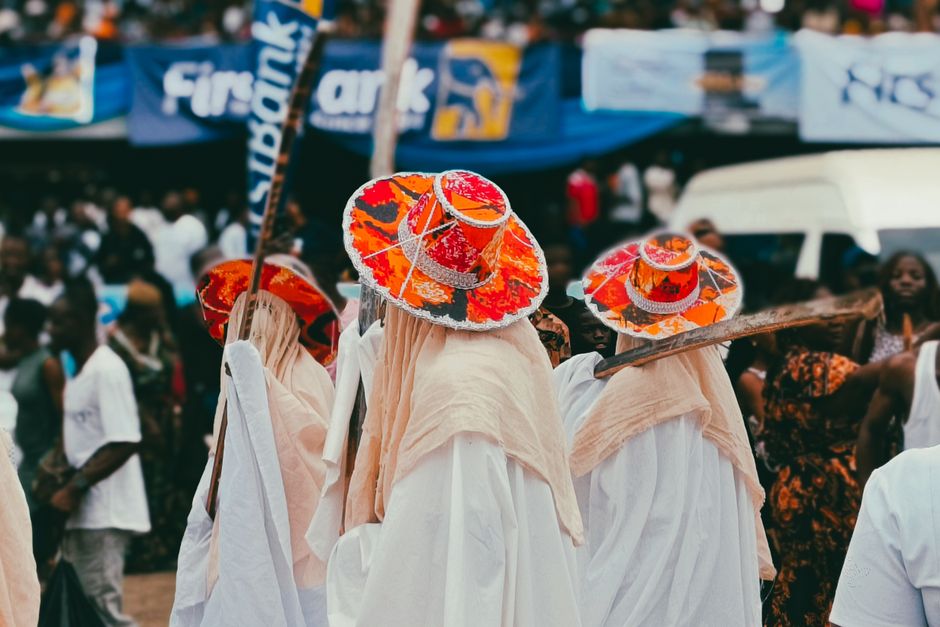
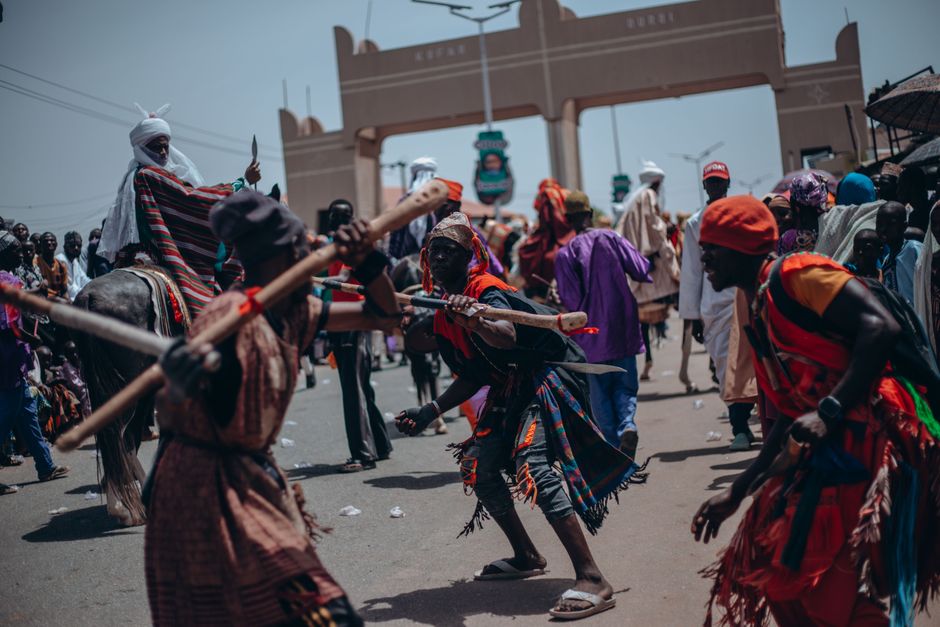
The Durbar Festival in Nigeria is a spectacular display of horsemanship and pageantry, celebrated predominantly in the northern regions. This event commemorates the end of Ramadan and features vibrant parades, traditional music, and cultural performances.
For Nigerians, attending the Durbar is a symbolic way to connect with their historical roots and showcase regional pride.
Festima: The Mask Festival
In Burkina Faso, the Festima or Mask Festival is a cultural extravaganza that attracts visitors from all over West Africa. It celebrates the mystical art of mask-making, with performances that are both captivating and deeply spiritual.
"Masks in West African cultures are not just art; they are vessels of spiritual communication."
The Influence of Art and Craft
Textiles and Fashion
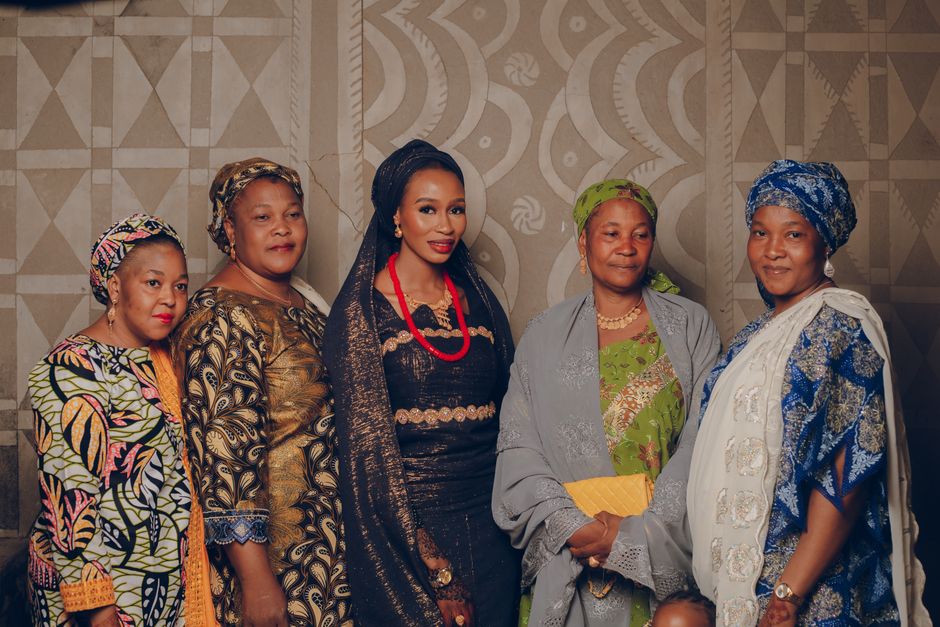
West African textiles like Ankara and Kente have become symbols of African identity, celebrated for their vibrant colors and intricate patterns. In Nigeria, these fabrics are not only worn at special occasions but are also a staple in everyday fashion.
Nigerians take pride in their ability to blend traditional and contemporary styles, making fashion a form of personal and cultural expression.
Sculpture and Carving
Sculpture and wood carving are highly regarded art forms in West Africa. In Nigeria, the Nok culture's terracotta sculptures are among the oldest known in Africa, offering insights into the region's ancient civilizations.
Daily Life and Modern Influences
Food and Cuisine
West African cuisine is a delightful fusion of flavors and ingredients, with staples like jollof rice and suya being popular across Nigeria. These dishes, often shared in communal settings, reflect the social nature of West African dining.
"In West Africa, food is more than sustenance; it's a celebration of life and community."
Contemporary Culture
Today, West African culture is evolving, with influences from global trends blending with traditional practices. In Nigeria, the rise of Afrobeats and Nollywood represents the dynamic nature of modern West African culture.
- Afrobeats: A music genre that combines African rhythms with contemporary pop influences.
- Nollywood: Nigeria's booming film industry, known for its diverse storytelling and cultural themes.
Conclusion
Exploring West African cultures offers a rich and rewarding experience filled with vibrant traditions, artistic expressions, and welcoming communities. For Nigerian readers, it's an opportunity to rediscover and celebrate the shared heritage and cultural connections that bind the region together.
Whether you're attending a vibrant festival, enjoying traditional music, or savoring the diverse culinary delights, West Africa invites you to immerse yourself in its colorful tapestry of life. By embracing both ancient traditions and modern influences, West Africans continue to create cultures that are both resilient and dynamic, offering lessons in unity and diversity for the world to admire.