West Africa is a region of vibrant cultures, diverse languages, and rich history. But one of the most captivating aspects of this region is undoubtedly its cuisine. If you’ve ever taken a bite of Jollof rice, indulged in a spicy bowl of egusi soup, or savored a piece of grilled suya, then you’ve already experienced a taste of the culinary magic that West Africa has to offer.
For Nigerian readers, the flavors of West Africa are not just about food; they're about home, tradition, and community. In this gastronomic journey, we’ll explore the rich tapestry of West African cuisine, uncovering the unique ingredients, cooking techniques, and cultural significance behind some of the region’s most beloved dishes.
Whether you’re a food enthusiast looking to expand your culinary repertoire or simply curious about the origins of these savory delights, this guide will offer you a deeper understanding of the foods that unite a continent.
The Foundation of West African Cuisine
Staple Ingredients
The backbone of West African cooking is formed by a variety of staple ingredients that are as diverse as the region itself. Cassava, yams, plantains, rice, and millet are common bases used in numerous dishes across different countries.
- Cassava: Known as 'garri' when processed, it's a key element in many Nigerian households.
- Yams: A versatile tuber used in dishes like pounded yam and yam porridge.
- Plantains: Often fried or boiled, they're a staple side dish.
- Rice: Integral in dishes like Jollof rice, a West African classic.
- Millet: Used in porridges and as a base for traditional beverages.
Common Spices and Flavors
The flavors of West African cuisine are bold, complex, and aromatic. The use of spices and herbs like ginger, garlic, pepper, and thyme are essential in creating the distinctive taste profiles that characterize the region’s food.
"The secret to West African cuisine lies in its spices and the art of balancing flavors, much like a symphony playing harmoniously together."
Iconic Dishes of West Africa
Jollof Rice
Perhaps the most famous West African dish, Jollof rice, is a staple at parties and gatherings. Its origins are often debated, with Nigeria and Ghana frequently vying for the title of best Jollof rice. Regardless of its origin, the dish is beloved for its rich tomato base, aromatic spices, and vibrant color.
Egusi Soup
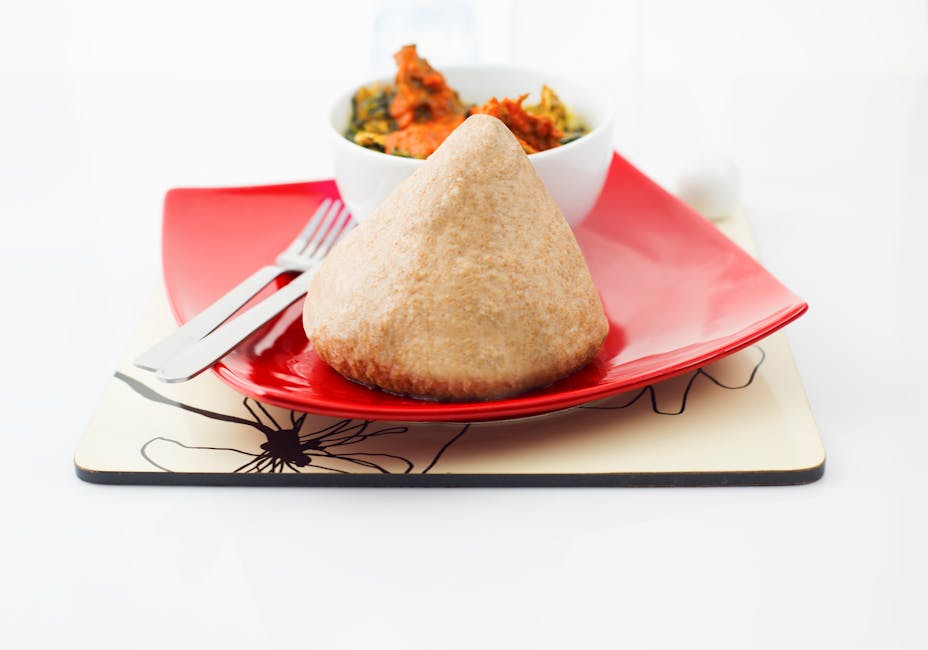
Egusi soup is a thick, hearty soup made with ground melon seeds, leafy greens, and a variety of meats. It’s a favorite comfort food in Nigeria, often served with fufu or pounded yam.
Suya
Suya, a spicy meat skewer, is a beloved street food across Nigeria. Made with a blend of spices including ginger, paprika, and cayenne pepper, this dish is both flavorful and fiery.
Gari and Eba
Gari, a granular flour made from cassava, is a pantry staple in many West African homes. When mixed with hot water, it forms eba, which is typically paired with soups and stews.
Cultural Significance of Food
Food as a Medium of Community and Celebration
In West Africa, food is more than just sustenance; it's a medium for bringing people together. Whether it's a wedding, festival, or casual gathering, food plays a central role in social interactions and cultural celebrations.
"Sharing a meal in West Africa is sharing more than food; it's about community, tradition, and memory."
Traditional Cooking Techniques
Traditional cooking methods such as open-fire grilling, steaming, and slow-cooking in clay pots are commonly used, preserving the authentic flavors of the region.
Exploring West African Food at Home
Ingredients to Stock Up On
- Palm oil: Essential for many traditional dishes.
- Smoked fish: Adds depth to soups and stews.
- Groundnuts: Used in sauces and snacks.
- Scotch bonnet peppers: For that fiery kick.
Simple Recipes to Try
- Puff Puff: A popular West African snack, these are small, deep-fried dough balls.
- Yam and Egg Sauce: A quick and delicious meal made with boiled yams and a savory tomato-based sauce.
- Okra Soup: A vibrant soup that's quick to prepare and packed with nutrients.
Conclusion
The cuisine of West Africa is a testament to the region's rich history and cultural diversity. Each dish tells a story, preserving the traditions and flavors that have been passed down through generations. By exploring these dishes and the ingredients that make them unique, you're not just tasting food—you're experiencing a piece of West Africa's soul.
So the next time you sit down to a plate of Jollof rice or savor a skewer of suya, remember that you're sharing in a cultural legacy that spans centuries and connects communities across borders.