If there's one thing that truly embodies the spirit of Nigeria, it's the kaleidoscope of festivals and cultural traditions that pepper the landscape of this vibrant West African nation. From the pulsating beats of the annual Calabar Carnival to the rich historical reenactments of the Argungu Fishing Festival, Nigeria's cultural landscape is as diverse as its people. For anyone keen on exploring Africa's cultural heartland, understanding Nigeria's festivals is a splendid starting point that promises to be as enlightening as it is enjoyable.
In this article, we'll embark on a journey through Nigeria's most celebrated cultural festivals, offering not only a glimpse into the events themselves but also insights into the history and significance they hold for Nigerians. Whether you're a festival enthusiast or someone looking to delve into the cultural fabric of Nigeria, this guide promises to be a treasure trove of information.
So, what makes these festivals so significant, and how do they contribute to the rich tapestry of Nigerian culture? Let's dive in and discover the stories behind the celebrations that make Nigeria an undeniable cultural beacon in Africa.
The Vibrant Calabar Carnival: Africa's Biggest Street Party
History of the Calabar Carnival
The Calabar Carnival, often dubbed Africa's biggest street party, began in 2004 as a vision of the then-Governor of Cross River State, Donald Duke. His aim was to position the state as a prime destination for tourists and to showcase Nigeria's rich cultural heritage. Today, it attracts thousands of visitors from around the world each December.
Highlights of the Carnival
- Colorful Parades: The carnival is famous for its vibrant parades featuring beautifully adorned floats and dancers clad in elaborate costumes.
- Music and Dance: Nigeria's rich musical heritage comes alive with live performances from both local and international artists.
- Cultural Displays: The carnival is not just about fun; it also offers a platform for cultural exchange, showcasing traditional dances and customs.
"The Calabar Carnival is a celebration of life, culture, and unity, bringing people from all walks of life together in a vibrant tapestry of joy and festivity."
The Argungu Fishing Festival: A Celebration of Community and Tradition
Origins of the Argungu Fishing Festival
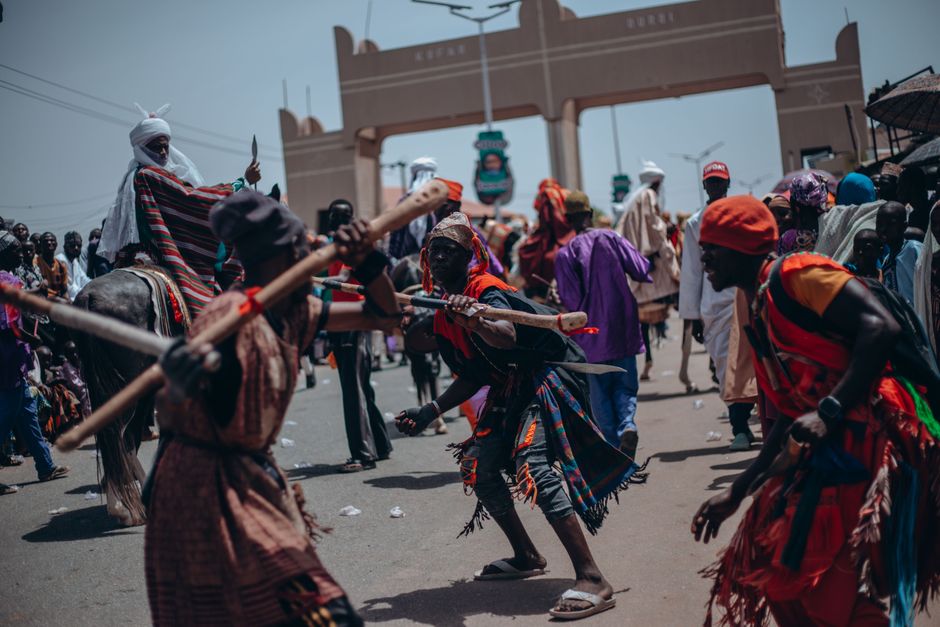
The Argungu Fishing Festival is one of Nigeria's oldest and most culturally significant festivals. Held in Kebbi State, this event dates back to 1934 and was initially organized to mark the end of centuries-old hostilities between the Sokoto Caliphate and the Kebbi Kingdom.
Festival Activities
- The Grand Fishing Competition: The festival's highlight is a grand fishing competition where thousands of fishermen compete to catch the largest fish using traditional nets.
- Traditional Dances: The festival also features traditional music and dances, showcasing the region's cultural richness.
- Food and Crafts: Visitors can enjoy local cuisine and purchase traditional crafts, supporting local artisans.
This festival is not just a competition; it's a celebration of peace, community spirit, and cultural heritage.
Eyo Festival: A Unique Cultural Display in Lagos
The Mystique of Eyo
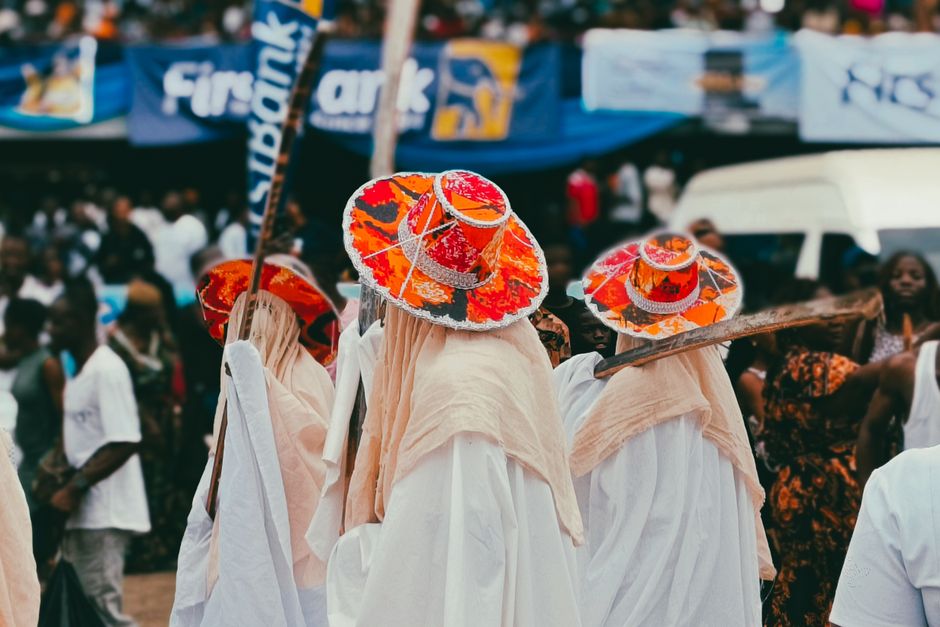
The Eyo Festival is a unique Yoruba cultural festival held in Lagos. It is synonymous with the white-clad masqueraders known as 'Eyo,' who parade the streets of Lagos Island to honor the passing of an important chief.
Significance of the Eyo Festival
- Traditional Rituals: The festival involves a series of rituals, culminating in a large procession where Eyo masqueraders move in sequence, representing different Lagos Island families.
- Community Involvement: It serves as a communal event that draws locals and tourists alike, fostering unity and cultural pride.
- Cultural Preservation: The Eyo Festival is crucial for preserving the cultural identity and traditions of the Yoruba people.
"Experiencing the Eyo Festival is akin to stepping into a living museum where history, culture, and tradition come alive in an unforgettable dance."
The Osun-Osogbo Festival: A Spiritual Journey
The Sacred Grove of Osun-Osogbo
The Osun-Osogbo Festival takes place in the sacred Osun Sacred Grove, a UNESCO World Heritage Site. This spiritual festival is held in honor of the river goddess Osun, one of the most revered deities in Yoruba land.
Festival Rites and Celebrations
- Traditional Rituals: The festival is marked by traditional rituals performed by the Arugba, a virgin girl believed to carry the community's prayers and petitions to the goddess Osun.
- Art and Culture: The event is also a showcase for traditional art, music, and dance, reflecting the spiritual and cultural richness of the Yoruba people.
- Community Involvement: The festival draws Yoruba people from across Nigeria and the diaspora, fostering a sense of cultural unity and spiritual renewal.
Attending this festival offers a profound insight into the spiritual dimensions of Yoruba culture and their deep connection with nature.
Conclusion
Nigeria's festivals are more than just events; they are a vital expression of its cultural identity. They serve as an opportunity to celebrate, preserve, and promote the nation's rich heritage while fostering community spirit and unity among its people.
Whether you're attending the lively Calabar Carnival or witnessing the serene rituals of the Osun-Osogbo Festival, each experience offers a unique glimpse into the heart and soul of Nigeria. As these festivals continue to evolve, they remain a testament to the enduring vibrancy and diversity of Nigerian culture.
So, pack your bags, mark your calendar, and immerse yourself in the mesmerizing world of Nigerian festivals. It's a journey that promises to leave you with lasting memories and a deeper appreciation for one of Africa's most culturally rich nations.