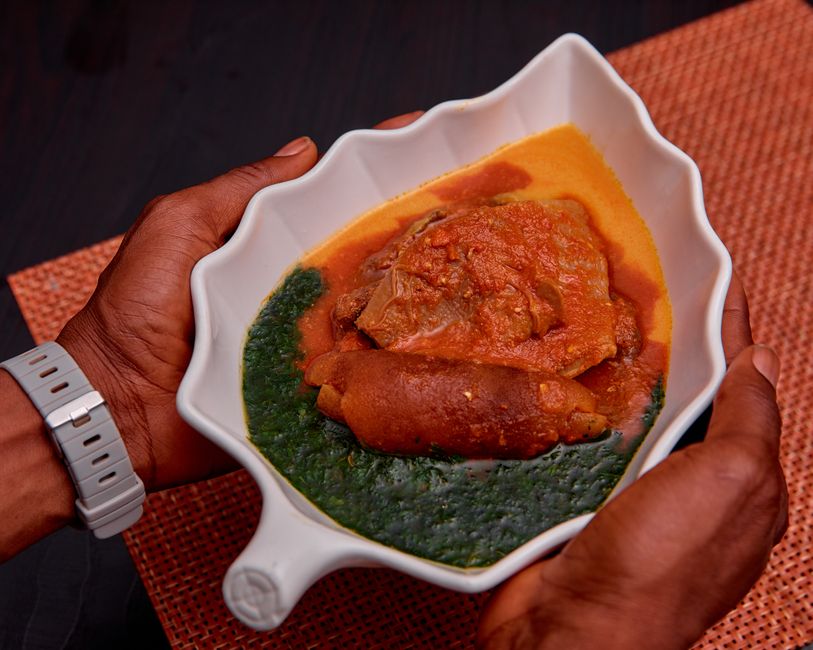
Nigeria, a vibrant and culturally rich country in West Africa, offers a plethora of experiences for travelers, but nothing quite compares to the journey through its culinary landscape. Nigerian cuisine is a reflection of its diverse ethnic groups, each contributing unique flavors and dishes that are sure to tantalize your taste buds. Whether you're a food enthusiast or someone simply looking to explore the local culture, Nigerian cuisine provides an unforgettable experience that speaks volumes about the country's heritage and hospitality.
From the bustling streets of Lagos to the serene towns of the north, the food you encounter will not only satisfy your hunger but also offer an insight into the heart and soul of Nigeria. This article delves into the intricacies of Nigerian cuisine, highlighting the must-try dishes, understanding the cultural significance of food, and offering tips on how to enjoy these delicacies like a local.
The Essence of Nigerian Cuisine
A Fusion of Flavors and Cultures
Nigerian cuisine is a melting pot of flavors and cultures, influenced by the various ethnic groups that call this country home. With over 250 ethnic groups, each with their own culinary traditions, it's no surprise that Nigerian food is diverse and full of character.
- Yoruba: Known for their spicy and flavorful dishes, the Yoruba people of southwestern Nigeria often use ingredients like peppers, beans, and yams.
- Igbo: The Igbo of southeastern Nigeria are renowned for their soups and stews, particularly those made with leafy greens and palm oil.
- Hausa-Fulani: This group from northern Nigeria uses dairy and grains extensively in their cooking, with dishes often featuring rice and milk products.
Staple Ingredients
To truly appreciate Nigerian cuisine, one must understand the staple ingredients that form the backbone of many dishes. These ingredients are not only essential for their flavor but also for their nutritional value.
- Yam: A versatile tuber that can be boiled, fried, or pounded into fufu.
- Rice: A key component in dishes like jollof rice and fried rice.
- Beans: Often used in akara (bean cakes) and moi moi (steamed bean pudding).
- Palm oil: A rich, red oil extracted from palm fruits, used in stews and soups.
Must-Try Nigerian Dishes
Jollof Rice
Arguably Nigeria's most famous dish, jollof rice is a tomato-based one-pot meal infused with spices and herbs. Often served at celebrations and gatherings, it's a dish that unites Nigerians across the globe.
“Jollof rice is much more than a meal; it’s a symbol of unity and festivity in Nigeria.”
Suya
Suya is a spicy meat skewer, usually made with beef or chicken, marinated in a mixture of ground peanuts and spices. It's a popular street food and is best enjoyed with friends and a cold drink.
Pounded Yam and Egusi Soup
Egusi soup, made with ground melon seeds and leafy vegetables, is a rich and hearty dish. Paired with pounded yam, it’s a comforting meal that's deeply satisfying.
The Cultural Significance of Nigerian Food
Food as a Celebration
In Nigeria, food is often at the center of celebrations, whether it's weddings, festivals, or religious events. Each ethnic group has its own special dishes that are prepared for such occasions, reflecting their unique traditions and values.
Hospitality Through Food
Offering food is synonymous with Nigerian hospitality. Visitors are often greeted with an array of dishes, showcasing the host’s generosity and the rich culinary heritage of the region.
Tips for Enjoying Nigerian Cuisine
Embrace the Spice
Nigerian food can be quite spicy, and it's important to embrace the heat to fully enjoy the experience. If you're not accustomed to spicy food, start with milder dishes and gradually work your way up.
Eat Like a Local
To truly savor Nigerian cuisine, try eating with your hands, as many traditional dishes are best enjoyed this way. Wash your hands thoroughly and use your right hand to scoop up food.
Visit Local Markets
For a real taste of Nigeria, head to local markets where you can buy fresh ingredients and street food. Engage with vendors and ask for their recommendations to discover hidden culinary gems.
Conclusion
Nigerian cuisine is a vibrant tapestry of flavors, spices, and traditions that offers a window into the country's diverse culture. From the fiery jollof rice to the comforting pounded yam and egusi soup, each dish tells a story of its own. As you explore the culinary landscape of Nigeria, you'll not only satisfy your palate but also gain a deeper appreciation for the rich heritage and welcoming spirit of its people. So, go forth and savor every bite of this gastronomic adventure, and remember, in Nigeria, food is more than just sustenance; it's a celebration of life itself.