When you think of East Africa, images of vast savannahs and majestic wildlife may come to mind. However, beyond the breathtaking landscapes lies a tapestry of rich cultural heritage waiting to be explored. Among these cultural gems, the Maasai people stand out as one of the most iconic and well-recognized tribes, renowned for their distinct customs, colorful attire, and indomitable spirit.
The Maasai tribe, primarily residing in Kenya and northern Tanzania, offers a fascinating glimpse into the past and present of East African culture. Their lifestyle, deeply intertwined with nature and tradition, presents not only a unique way of living but also a lesson in resilience and community.
Join us as we delve into the vibrant world of the Maasai, exploring their traditions, cultural practices, and the modern challenges they face in preserving their way of life in a rapidly changing world.
The Origins of the Maasai
The story of the Maasai begins centuries ago when they migrated from the Nile Valley and settled in the Great Rift Valley. Their history is not just one of survival but also of adaptation to the changing landscapes of East Africa.
The Migration Path
The Maasai's journey through the African continent is a testament to their resilience as a people. Over time, they established themselves as formidable cattle herders, a tradition they maintain to this day.
The Maasai are known for their deep connection to cattle, often considering them as both currency and a measure of wealth.
Settlement in Kenya and Tanzania
Today, the Maasai primarily inhabit the regions of southern Kenya and northern Tanzania. Their territory spans some of the most coveted safari destinations, offering tourists a chance to witness their culture firsthand.
Traditional Practices and Lifestyle
The Maasai way of life revolves around age-old traditions that have been passed down through generations. From their clothing to their rituals, each aspect offers a glimpse into their unique world.
Distinctive Attire
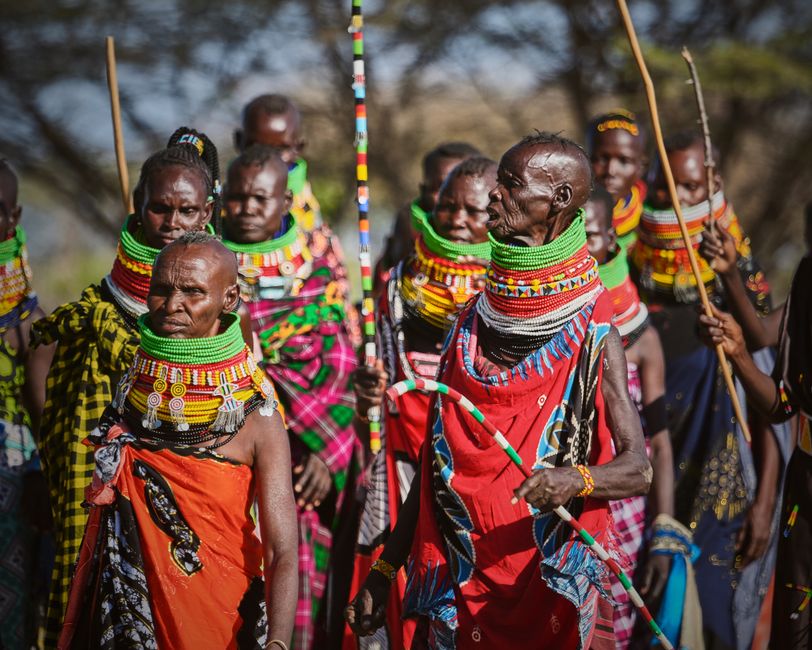
One of the most striking features of the Maasai is their colorful attire. The shuka, a traditional red cloth, has become synonymous with Maasai identity, with its vibrant hues symbolizing strength and bravery.
Cattle Rearing
Cattle are central to Maasai culture, not just as a livelihood but also as a cultural symbol. Their pastoral lifestyle has shaped their social structures and daily practices.
- Cattle are used in dowries and are integral to many Maasai rituals.
- The Maasai diet traditionally includes milk, meat, and occasionally blood, reflecting their deep bond with their livestock.
Ceremonial Practices
The Maasai hold several ceremonies throughout the year, from age-set initiations to elaborate weddings. These events are not only a celebration of community but also serve as vital cultural touchstones.
"Our ceremonies are not just rituals; they are our way of passing our history to the next generation." — Maasai elder
Challenges in the Modern World
As the world modernizes, the Maasai face significant challenges in preserving their heritage. Balancing tradition with modernity is a complex task that requires thoughtful negotiation.
Land Rights and Conservation
Encroachment on traditional Maasai land by agricultural expansion and wildlife conservation efforts poses a significant threat to their way of life. The Maasai are often caught between their traditional practices and modern conservation laws.
Education and Integration
While education is increasingly valued, integrating it with Maasai traditions is essential for preserving their culture. Initiatives that respect their lifestyle while providing modern education are crucial.
- Several NGOs work with Maasai communities to promote education while respecting cultural norms.
- Programs that incorporate Maasai history and language into the curriculum are gaining popularity.
Preserving Cultural Identity
Efforts to maintain their cultural identity are ongoing, with the Maasai using various platforms to raise awareness about their traditions.
The Maasai are finding new ways to express their cultural identity while adapting to the modern world, often through art and storytelling.
How to Experience Maasai Culture
For those eager to experience Maasai culture firsthand, several options offer immersive and respectful interactions. From staying in Maasai-run lodges to participating in cultural tours, visitors can gain a deeper understanding of this rich heritage.
Ethical Tourism
Engaging with the Maasai through ethical tourism ensures that your visit contributes positively to the community. Choose tours that are led by Maasai guides and support local projects.
Cultural Tours and Homestays
Cultural tours and homestays provide a more intimate understanding of daily Maasai life. Visitors can learn about traditional crafts, participate in dances, and even witness ceremonies, all while respecting local customs.
- Look for tours that emphasize sustainability and cultural sensitivity.
- Support Maasai-owned businesses and initiatives for a more authentic experience.
Supporting Maasai Initiatives
Whether through fair trade purchases of Maasai crafts or donations to education projects, there are many ways to support the Maasai in preserving their rich cultural heritage.
Final Thoughts
The Maasai culture is a vibrant tapestry of traditions, resilience, and community spirit. As the modern world continues to evolve, the Maasai offer a poignant reminder of the importance of preserving our cultural identities. By engaging with and supporting their communities, we can all play a part in safeguarding this invaluable heritage for future generations.
Whether through travel, education, or advocacy, your connection to the Maasai can be a meaningful step towards a more inclusive and culturally rich world.