Nigeria, a country known for its diverse cultures and vibrant traditions, is home to the Yoruba people—one of the largest ethnic groups in Africa. The Yoruba culture is a tapestry woven with colorful fabrics, rhythmic music, and profound spirituality, attracting curious travelers from around the globe. In this article, we will guide you through the fascinating aspects of Yoruba culture, from traditional festivals to their rich artistic heritage—allowing you to experience Nigeria's vibrant soul.
The Yoruba culture is not just a relic of the past but a living, breathing aspect of modern Nigeria. As you delve into the intricate customs and traditions of the Yoruba, you might find a reflection of your own culture or discover something entirely new that resonates deeply. Whether you're planning a trip to Nigeria or simply exploring cultures from afar, understanding the Yoruba people offers a window into the heart of Africa.
The Origins and History of the Yoruba People
Early Beginnings
The Yoruba people trace their origins back to Ile-Ife, a city oftentimes referred to as the cradle of their civilization. According to Yoruba mythology, Ile-Ife is where the gods descended to create the earth, establishing a lineage that ties the people to the divine.
Growth and Expansion
Over the centuries, the Yoruba people spread across southwestern Nigeria, establishing powerful kingdoms such as Oyo, Ife, and Ijebu. These kingdoms played significant roles in trade, politics, and cultural development throughout West Africa.
Colonial Era and Modern Day
During the colonial era, Yoruba territories came under British rule, an experience that reshaped aspects of their culture. However, the Yoruba have maintained a strong sense of identity, blending traditional practices with modern influences.
Yoruba Arts and Crafts
Adire: The Art of Fabric Dyeing
Adire is a traditional Yoruba textile art involving indigo-dyed cloth. These beautiful fabrics feature intricate patterns and are used in clothing and home décor, showcasing Yoruba craftsmanship.
- Materials: Cotton fabric, natural indigo dye.
- Techniques: Resist dyeing methods include tie-dyeing and starch resist.
- Significance: Each pattern tells a story, often reflecting social status or local folklore.
Sculpture and Pottery
The Yoruba are renowned for their sculptures, particularly in bronze and terracotta. These pieces often depict figures from mythology and daily life, showcasing their skills and creativity.
Cultural artifacts like the famous Ife heads highlight the skill and sophistication of ancient Yoruba artisans.
Yoruba Festivals and Celebrations
Egungun Festival
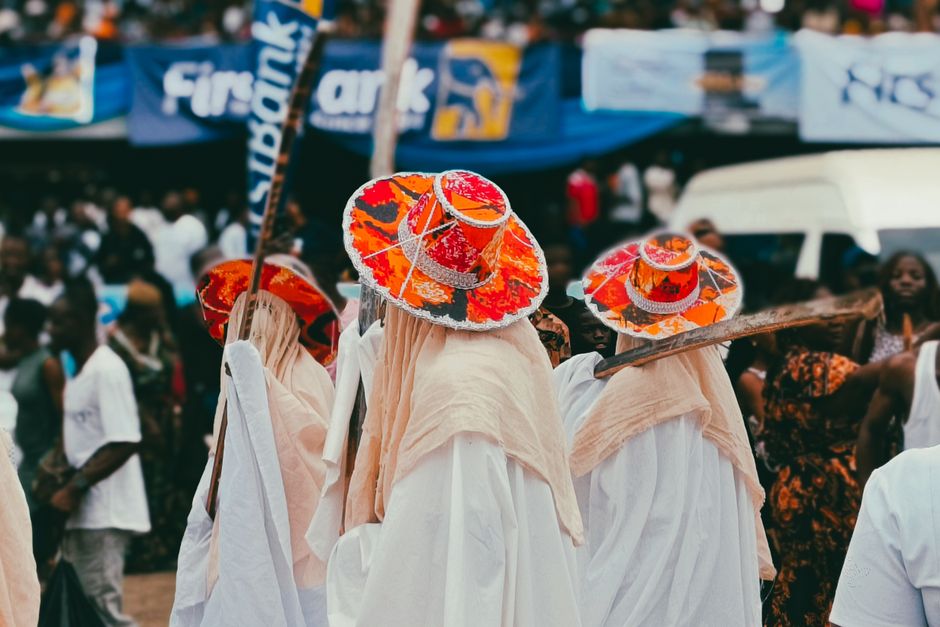
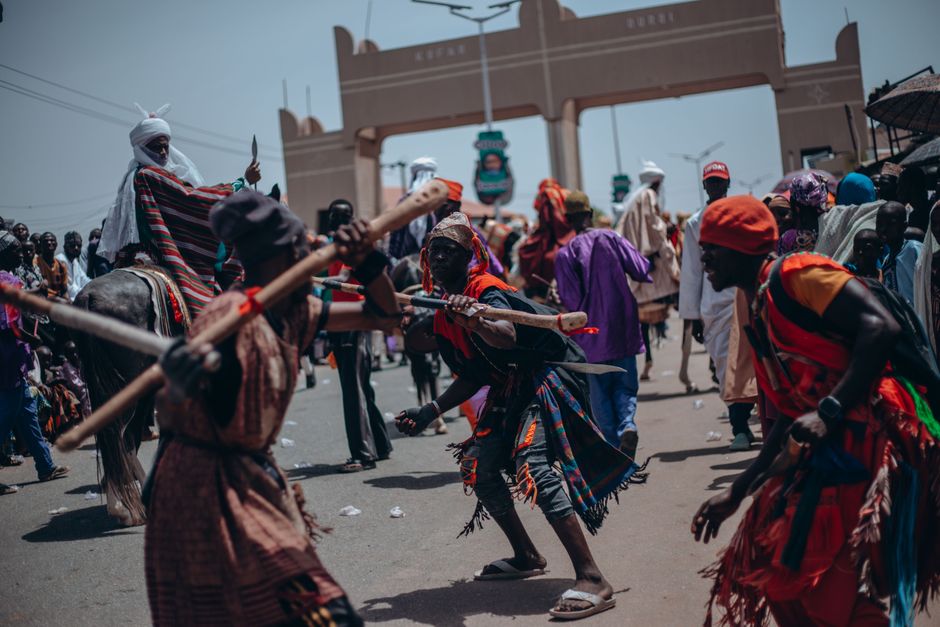
The Egungun Festival is a vibrant celebration honoring the Yoruba ancestors. Participants don elaborate masks and costumes, believed to be channels for ancestral spirits, to partake in lively dances and rituals.
Osun-Osogbo Festival
This annual festival takes place in the sacred Osun Grove, a UNESCO World Heritage site, celebrating the river goddess Osun. It is a captivating event with music, dance, and spiritual rites.
- Timing: August every year.
- Activities: Processions, offerings, and cultural displays.
Yoruba Language and Literature
Language Diversity
The Yoruba language is rich and diverse, with dialects that vary from region to region. It plays a crucial role in preserving oral traditions and folklore.
Proverbs and Oral Literature
Yoruba culture is deeply rooted in oral literature, with proverbs being a vital way to impart wisdom and cultural values.
"A proverb is an elder's weapon"—a common Yoruba saying.
Traditional Yoruba Religion and Beliefs
Orisha Worship
The Yoruba pantheon includes various gods, known as Orisha, each representing different aspects of life and nature. Worship involves rituals, music, and dance, reflecting the deep spiritual connection of the Yoruba people.
Impact on Global Religions
Yoruba religious practices have influenced various syncretic religions in the Americas, such as Santería and Candomblé, due to the transatlantic slave trade.
Conclusion
Exploring the culture of the Yoruba people offers a rich and rewarding experience for anyone interested in African traditions and history. From their early beginnings in Ile-Ife to their impact on the global stage, the Yoruba culture continues to fascinate and inspire. Whether you're drawn to their artistic expressions, vibrant festivals, or spiritual beliefs, the Yoruba people invite you to embark on a cultural journey like no other.