Nigeria, a country teeming with vibrant culture and rich history, offers an unparalleled journey through time. From bustling Lagos markets to the serene landscapes of the Northern regions, Nigerian culture is a mosaic of traditions and modern influences that intrigue and captivate visitors. For Nigerian readers, understanding and appreciating these cultural elements offers a deeper connection to their roots and a sense of pride in their heritage.
Whether it's the rhythmic beats of Afrobeat music, the colorful tapestries of traditional attires, or the mouth-watering dishes that grace family tables, Nigeria's culture is as diverse as its people. Join us as we delve into the heart of Nigeria's cultural wealth, exploring its traditions, influences, and the ways in which modernity has made its mark.
A Glimpse into Nigerian Traditions
The Vibrancy of Nigerian Festivals
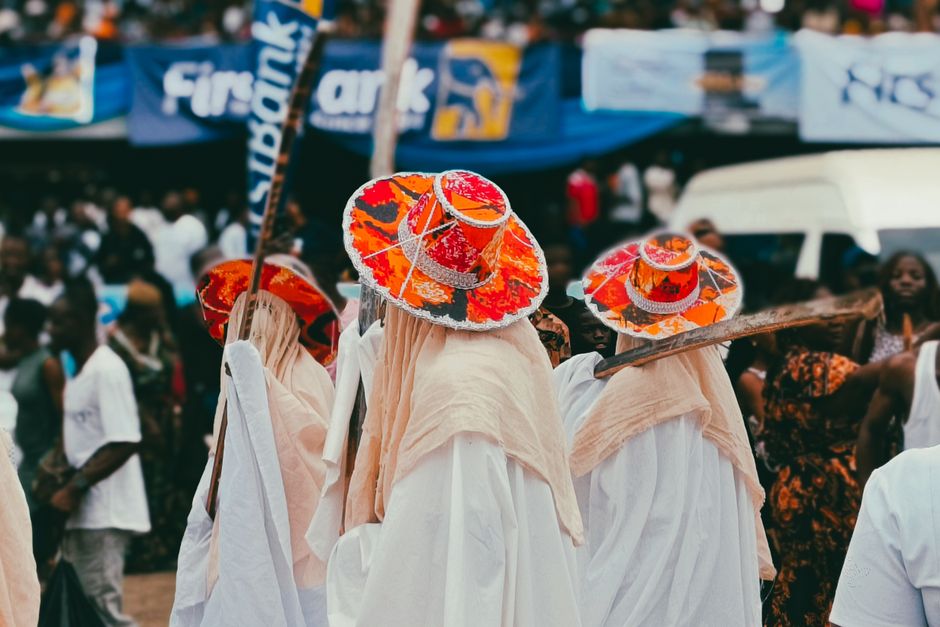
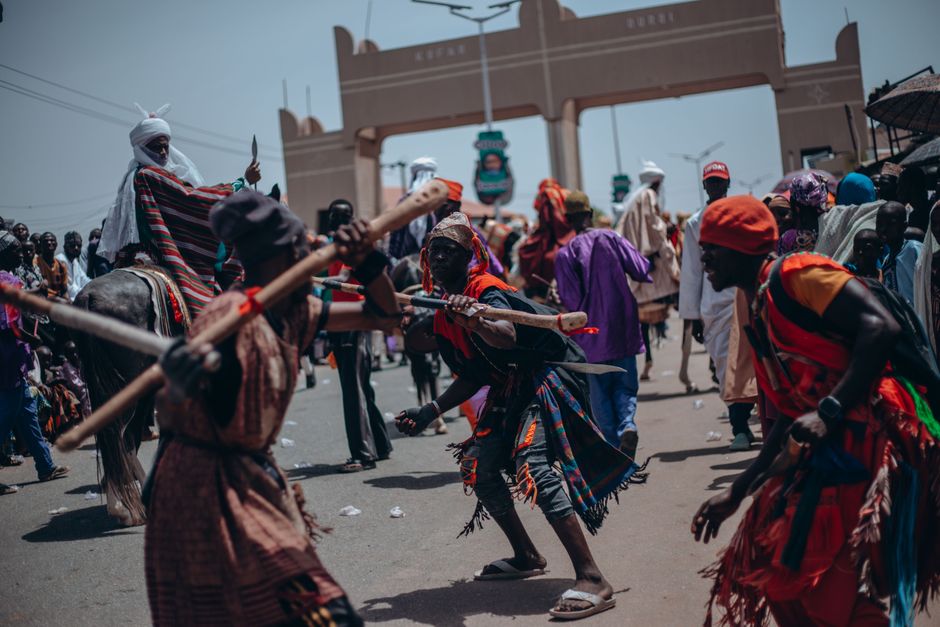
Nigerian festivals are a testament to the country's rich cultural diversity. Each festival is a unique celebration of heritage, bringing together communities in colorful displays of dance, music, and rituals.
- Lagos Carnival: Known as the 'Black Heritage Festival,' this carnival is a kaleidoscope of costumes, music, and dance.
- Osun-Osogbo Festival: Held in honor of the goddess Osun, this festival is a spiritual and cultural pilgrimage that draws visitors from around the world.
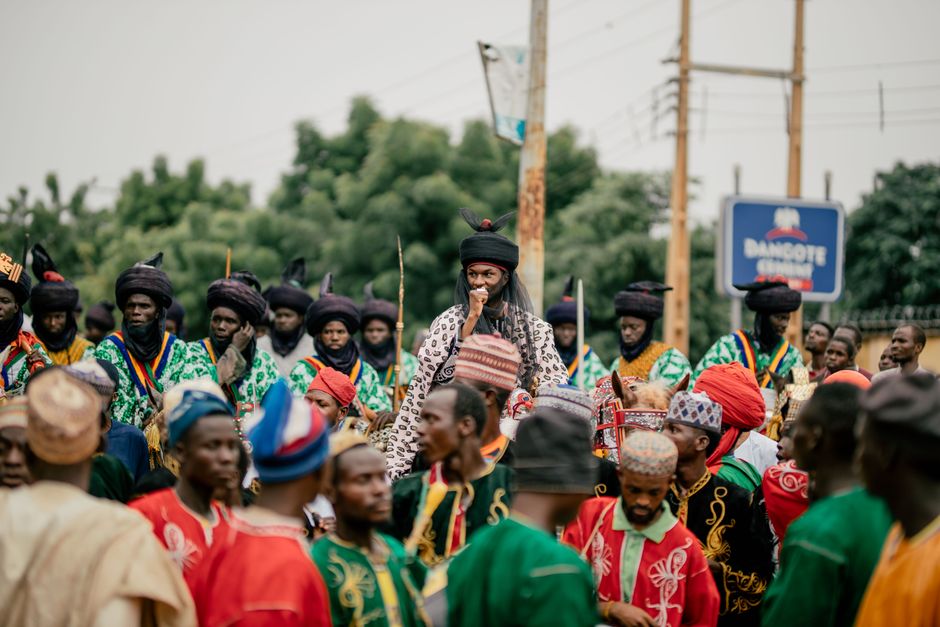
- Durbar Festival: Celebrated in the Northern regions, this festival showcases horse parades and traditional attire, symbolizing military prowess and unity.
Traditional Nigerian Clothing
The attire of Nigeria reflects its cultural diversity, with each ethnic group boasting distinctive styles.
Nigerian traditional attire is not just clothing; it is an expression of identity, pride, and cultural heritage.
From the Yoruba's Aso Ebi to the Igbo's George wrappers, these garments speak volumes about the wearer's background, status, and occasion.
The Influence of Modernity
Music and Entertainment
Nigeria's music scene is a dynamic fusion of traditional sounds and contemporary beats, producing genres that resonate globally.
- Afrobeat: Pioneered by the legendary Fela Kuti, Afrobeat combines traditional African music with jazz, funk, and highlife.
- Afropop: A modern twist on Afrobeat, this genre is characterized by catchy beats and lyrics that appeal to younger audiences.
- Nollywood: The Nigerian film industry is one of the largest globally, producing films that reflect societal issues and entertainment.
Fashion Evolution
The Nigerian fashion industry is a melting pot of traditional and contemporary designs, making waves on both local and international stages.
Designers like Deola Sagoe and Lisa Folawiyo have put Nigeria on the fashion map, blending rich fabrics with modern silhouettes to create stunning pieces.
Culinary Delights
Traditional Nigerian Cuisine
The flavors of Nigeria are as diverse as its culture, with each region offering unique dishes that tantalize the taste buds.
- Jollof Rice: A staple at any Nigerian gathering, this dish is a spicy, tomato-based rice dish that sparks friendly debates on the best recipe.
- Egusi Soup: Made with melon seeds, this hearty soup is a favorite among the Yoruba and Igbo people.
- Suya: This spicy grilled meat skewer is a popular street food, enjoyed across Nigeria.
The Rise of Nigerian Fusion Cuisine
As global influences merge with traditional cooking, Nigerian fusion cuisine is gaining popularity, offering a new culinary experience.
Chefs are experimenting with tastes and textures, creating dishes that blend local ingredients with international techniques, surprising and delighting food enthusiasts.
Preserving Culture Amidst Modernization
Efforts to Keep Traditions Alive
In a rapidly modernizing world, preserving cultural heritage is vital. Initiatives by individuals and organizations are focused on educating younger generations about Nigeria's rich traditions.
"Our culture is our identity; preserving it ensures that future generations understand and appreciate their heritage." — Cultural Preservationist
Balancing Tradition and Progress
The challenge lies in balancing tradition with progress, ensuring that modern influences do not overshadow the rich cultural tapestry that defines Nigeria.
By embracing both elements, Nigeria can continue to evolve while honoring its past, creating a vibrant future for its cultural narrative.
Conclusion
Nigeria's culture is a fascinating blend of ancient traditions and modern influences. As the country continues to grow and evolve, so too does its cultural landscape, offering endless opportunities for exploration and appreciation. Whether you're a resident or a visitor, delving into Nigeria's rich cultural heritage is a journey worth taking, offering insights into the heart and soul of this remarkable nation.