Nigeria, a country that boasts a tapestry of cultural diversity, is an enchanting destination for those eager to explore African culture. This vibrant nation is not only the most populous in Africa but also a melting pot of languages, traditions, and histories that paint a colorful picture of its people. If you're a Nigerian reader or simply someone interested in experiencing the rich culture that spans across Nigeria, get ready to dive deep into a journey that will take you through traditional music, dance, festivals, art, and culinary experiences.
From the dynamic streets of Lagos to the tranquil villages of the Igbo and the ancient cities of the north, Nigeria's cultural landscape is as varied as it is profound. It's a place where the ancient and the modern coexist, where technology meets tradition, and where every turn holds a story ready to be unveiled. Let us embark on this cultural exploration, starting with Nigeria's traditional music and dance, which are not just forms of entertainment but essential elements of communal and spiritual life.
Traditional Music and Dance in Nigeria
The Role of Music in Nigerian Society
Nigerian music is deeply woven into the fabric of its society, serving as a medium for storytelling, celebration, and expression. Each ethnic group has its distinctive sounds and rhythms, reflecting their unique histories and lifestyles.
The Yoruba, known for their talking drums, employ music in ceremonies to communicate with the spiritual world. The Igbo, on the other hand, feature instruments like the ogene and the udu in their traditional sounds. In the north, the Hausa incorporate the rich melodies of the Goje—a traditional violin—into their music.
Nigerian music is more than entertainment; it's a crucial vehicle for cultural preservation and communication.
Popular Nigerian Dance Styles
Nigerian dances are as vibrant and diverse as the music itself, with each style reflecting the cultural nuances of its region. The Yoruba's Bata dance, often performed during religious ceremonies, is characterized by energetic and intricate footwork.
- Bata Dance: A traditional Yoruba dance with fast-paced rhythms and movements, used in religious and cultural festivities.
- Atilogwu: Known as the 'Igbo' war dance, displaying agility and coordination through acrobatic movements.
- Sharo/Shadi: A Fulani dance that celebrates bravery and features rhythmic drumming and swift movements.
These dances are not just performances but communal activities that bring together people of all ages, from young children to the elderly, in a shared celebration of heritage.
Cultural Festivals and Celebrations
Major Nigerian Festivals
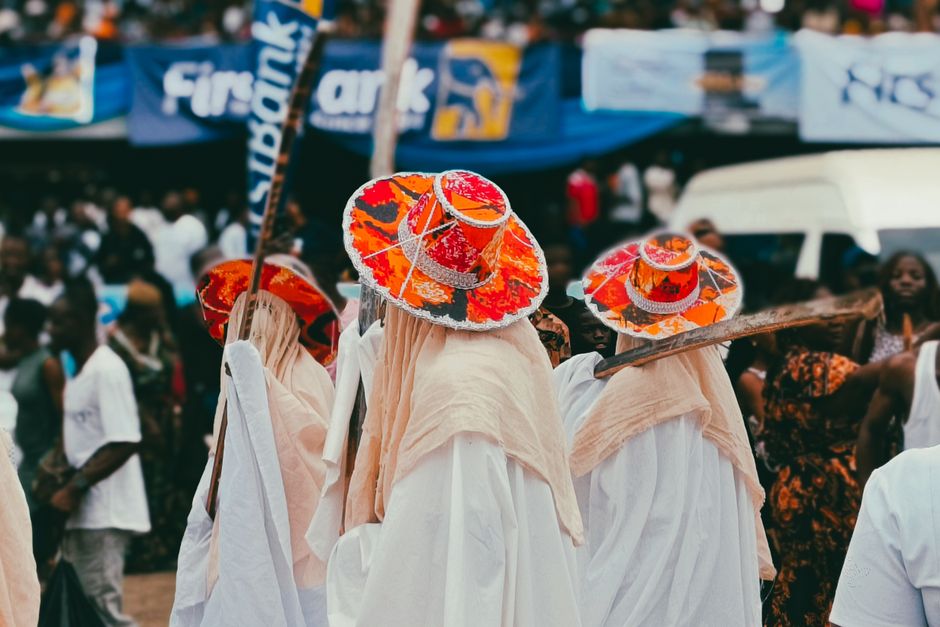
Nigeria's calendar is dotted with numerous festivals that highlight its rich cultural heritage. These celebrations are vibrant, colorful, and deeply rooted in tradition.
- Osun-Osogbo Festival: Held in August, this two-week festival in Osun State celebrates the river goddess Osun, attracting devotees from all over the world.
- New Yam Festival: Celebrated by the Igbo people, this festival marks the start of the harvest season and involves feasting on yam dishes and traditional performances.
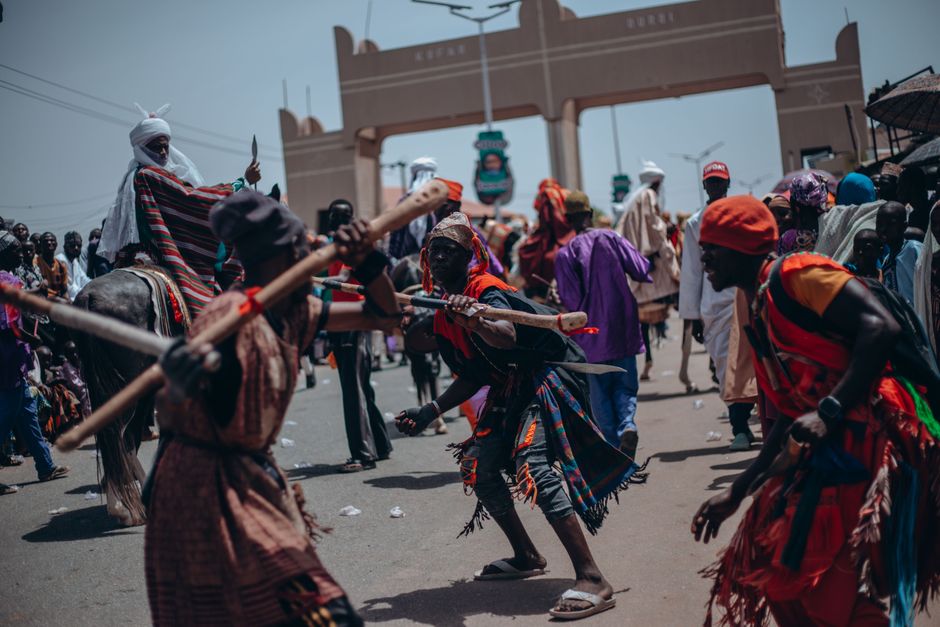
- Durbar Festival: A northern spectacle showcasing horse parades and traditional attire, held after the Islamic Eid al-Fitr and Eid al-Adha festivals.
The essence of Nigerian festivals lies in their ability to unite people, preserving traditions while fostering a sense of community.
Cultural Impact of Nigerian Festivals
These festivals serve as a reminder of the country’s rich past, bringing together people from different backgrounds and reinforcing cultural bonds. They offer an opportunity for cultural exchange and tourism, drawing in visitors who are eager to witness the vibrancy of Nigerian culture firsthand.
Art and Craft: The Heartbeat of Nigerian Creativity
Traditional and Contemporary Nigerian Art
Nigeria's art scene is a dynamic blend of the traditional and the contemporary, with a rich heritage of craftsmanship that dates back centuries. Traditional Nigerian art, such as the Nok Terracotta sculptures and Ife Bronze heads, reflects the sophistication of ancient Nigerian societies.
Contemporary Nigerian artists continue to gain international recognition, using their platforms to address social issues and celebrate African identity. Artists like Njideka Akunyili Crosby blend Western and African influences to create compelling visual stories.
Art in Nigeria is not just a form of expression but a narrative tool that captures the country's history, struggles, and triumphs.
Popular Nigerian Crafts
Nigerian craftsmanship is equally renowned, with artisans creating everything from colorful textiles to intricate beadwork. The Akwete cloth, a traditional Igbo weave, exemplifies the skill and creativity of Nigerian weavers.
- Akwete Cloth: A handwoven textile from the Igbo people, known for its vibrant colors and intricate patterns.
- Adire Fabric: A Yoruba tie-dye cloth, traditionally made using resist-dyeing techniques.
- Calabash Carving: An art form popular in northern Nigeria, wherein artisans carve and engrave intricate designs onto calabash gourds.
These crafts are not only beautiful but serve as a means of livelihood for many Nigerians, sustaining families and preserving cultural knowledge.
Culinary Delights: A Taste of Nigerian Culture
Staple Nigerian Dishes
The culinary landscape in Nigeria is as diverse as its culture, offering a mouth-watering array of dishes that vary from region to region. The rich spices and bold flavors are a hallmark of Nigerian cuisine, capturing the essence of its diverse heritage.
- Jollof Rice: A beloved West African dish made with rice, tomatoes, and an array of spices, often served at celebrations.
- Pounded Yam and Egusi Soup: A staple in many Nigerian households, this dish combines a smooth yam mash with a flavorful melon seed soup.
- Suya: A spicy grilled meat skewer, popular as street food and in social gatherings.
Each dish tells a story of its people, with recipes passed down through generations, ensuring the preservation of culinary traditions.
The Role of Food in Nigerian Culture
Food in Nigeria is more than sustenance; it's a vital part of social and cultural life. Meals are often shared with family and friends, serving as an opportunity for connection and celebration.
Nigerian celebrations, whether weddings or festivals, are incomplete without a spread of local delicacies, showcasing the country's hospitality and communal spirit.
Conclusion
Exploring Nigeria's rich culture is akin to embarking on a journey through time, where each tradition, festival, and dish offers a glimpse into the heart of its people. This cultural exploration not only deepens our understanding of Nigeria but also celebrates the diversity and resilience of its heritage.
For Nigerians and visitors alike, these cultural experiences are invaluable, providing a sense of identity and continuity amid a rapidly changing world. As we cherish these traditions, we also ensure that they remain vibrant for future generations to enjoy and celebrate.