Nigeria, often referred to as the Giant of Africa, offers a wealth of cultural experiences that are as diverse as its landscape. From bustling Lagos to historic Benin City, this West African country is a tapestry of traditions, languages, and customs. Whether you're a first-time traveler or a seasoned explorer, understanding Nigeria's cultural dynamics can enrich your visit and provide deeper insights into its rich heritage.
As a Nigerian or someone with an avid interest in African cultures, you might wonder what makes Nigeria a cultural powerhouse on the continent. The answer lies in its people, their stories, and their unyielding spirit to celebrate life, even in the face of adversity. This article will take you on a journey through Nigeria's vibrant cultural scene, from its captivating music and art to its mouthwatering cuisine and lively festivals.
The Heartbeat of Nigerian Music
Afrobeat: The Global Phenomenon
The mention of Nigerian music would be incomplete without acknowledging the legendary Fela Kuti, the pioneer of Afrobeat. This genre, a fusion of traditional Nigerian music, jazz, and funk, has taken the world by storm. Artists like Burna Boy and Wizkid have brought Afrobeat to global stages, making it a defining sound for this generation.
The rhythm and lyrical prowess found in Nigerian music often reflect the socio-political landscape of the country. Music has always been a powerful tool for expression and protest in Nigeria, resonating deeply with the populace.
"Music in Nigeria is more than entertainment; it's a movement that speaks to the soul of the nation."
Traditional Music and Instruments
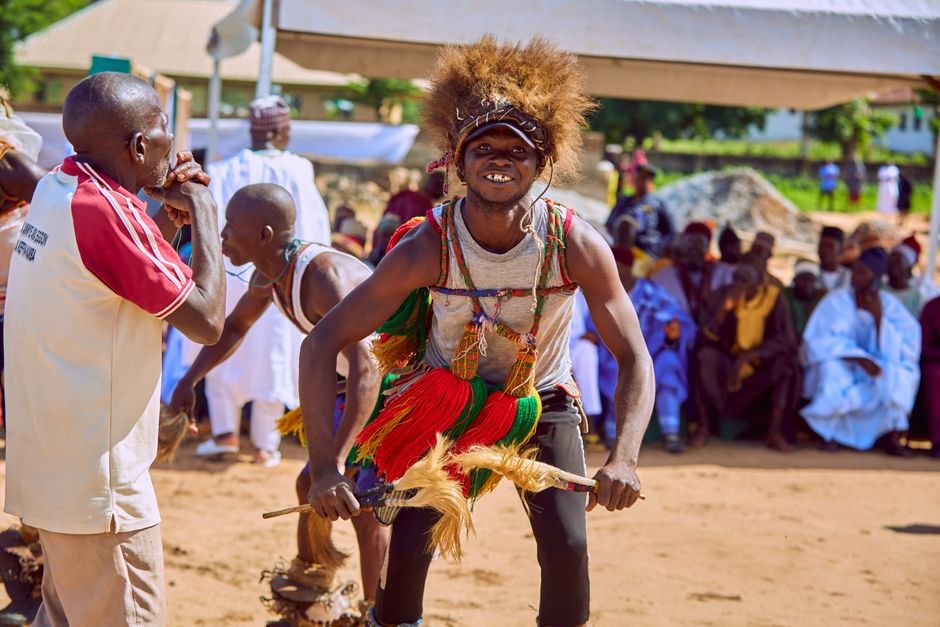
Beyond the glitz of Afrobeat, traditional music remains an integral part of Nigerian culture. The talking drum, kora, and shekere are just a few of the instruments that define the diverse musical heritage of Nigeria's ethnic groups. These instruments often accompany folk songs and dances during ceremonies and cultural events, highlighting the deep-rooted traditions that have been passed down through generations.
A Feast for the Senses: Nigerian Cuisine
Staple Dishes and Flavors
Nigerian cuisine is synonymous with bold flavors and hearty meals. Jollof rice, a West African staple, is a must-try dish that has sparked friendly rivalries across the continent. Prepared with tomatoes, onions, and spices, this dish is often served at celebrations and gatherings.
- Pounded Yam and Egusi Soup: A popular dish in Nigerian households, this combination is a beloved comfort food.
- Suya: A spicy meat skewer marinated and grilled to perfection, suya is a street food favorite across Nigeria.
The Role of Food in Nigerian Culture
Food in Nigeria is more than just sustenance; it is a key part of the social fabric. Meals are communal, often shared with family and friends, and are central to many cultural rituals and celebrations. The preparation and sharing of food are seen as a communal activity that fosters unity and strengthens familial bonds.
Festivals and Celebrations
Colorful Festivals Across the Nation
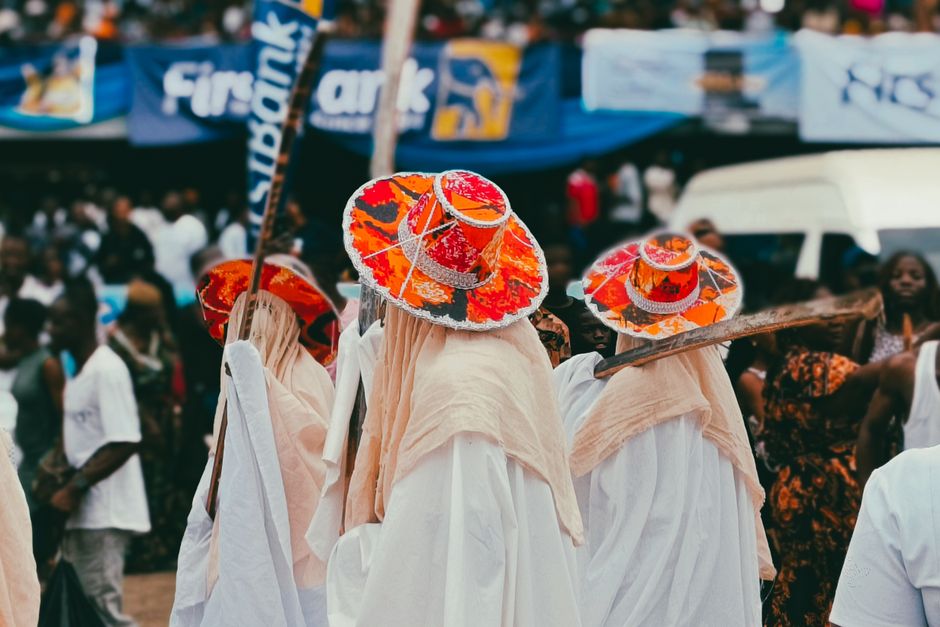
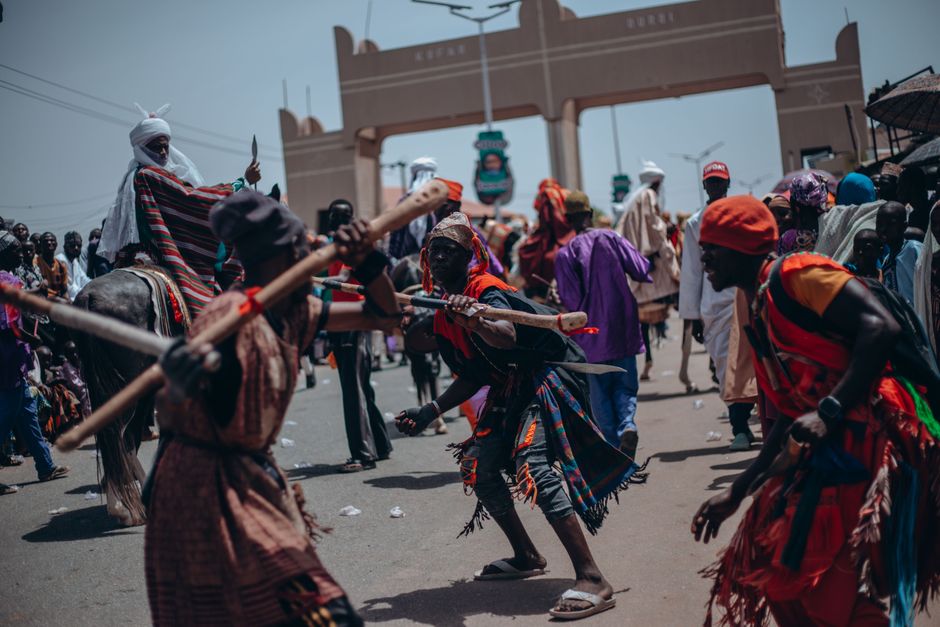
Nigeria is home to a plethora of festivals that reflect its rich cultural diversity. The Durbar Festival, celebrated in the northern regions, is a vibrant display of horsemanship and Islamic traditions. In the south, the Osun-Osogbo Festival is a UNESCO-recognized event that honors the Osun goddess, attracting thousands of worshippers and tourists each year.
These festivals are not only a celebration of heritage but also an opportunity for Nigerians to showcase their unique identities and community spirit.
"Festivals in Nigeria are an explosion of color, music, and joy, inviting everyone to partake in the celebrations."
Modern Celebrations and Global Influence
In recent years, Nigeria has seen a rise in contemporary festivals like the Lagos International Jazz Festival and the Ake Arts and Book Festival. These events highlight the country's modern artistic flair and its growing influence on the global cultural scene.
The Artistic Tapestry of Nigeria
Traditional and Contemporary Art
Nigerian art is as diverse as its people. Traditional art forms like Nok terracotta figures and Benin bronzes have been celebrated for their intricate craftsmanship and historical significance. Today, contemporary Nigerian artists like Njideka Akunyili Crosby and Kehinde Wiley continue to make waves on the international art scene.
Art in Nigeria serves as a reflection of societal values, often addressing themes of identity, politics, and globalization.
Art Galleries and Cultural Spaces
Cities like Lagos and Abuja are home to a growing number of art galleries and cultural spaces that showcase both traditional and modern works. The Nike Art Gallery in Lagos, for instance, is one of the largest in West Africa, offering visitors a glimpse into the vibrant world of Nigerian art.
Conclusion
Exploring Nigeria's cultural landscape offers a unique perspective on the country's resilience and creativity. From the pulsating beats of Afrobeat to the rich flavors of its cuisine, every aspect of Nigerian culture tells a story of tradition, innovation, and unbridled passion. Whether you're drawn to the colorful festivals or the artistic masterpieces, Nigeria promises an unforgettable cultural immersion that can inspire and transform your view of Africa.