Nigeria is a land of vibrant colors, pulsating rhythms, and an eclectic mix of traditions. As one of Africa's most populous countries, its cultural landscape is as diverse as its people. From the bustling streets of Lagos to the serene landscapes of the northern states, Nigeria offers a rich tapestry of experiences for the culturally curious traveler. In this article, we'll delve into the heart of Nigeria's cultural heritage, exploring its traditional festivities, music, food, and art that together form the soul of this incredible nation.
The cultural diversity in Nigeria is both fascinating and intricate. The country is home to over 250 ethnic groups, each contributing distinct elements to the national identity. Whether you're a native Nigerian or a first-time visitor, understanding these cultural nuances can enrich your travel experience and offer deeper insights into what makes Nigeria a truly unique destination.
The Diversity of Nigerian Ethnic Groups
Each ethnic group in Nigeria brings its own unique traditions and customs, making the country a mosaic of cultures. The three major ethnic groups are the Hausa, Yoruba, and Igbo, but many other ethnicities contribute to the country's vibrant cultural landscape.
The Hausa: Guardians of Tradition
The Hausa people, mainly residing in the northern part of Nigeria, are known for their rich history and strong adherence to tradition. They are predominantly Muslim, and their cultural practices are heavily influenced by Islamic teachings.
- Language: Hausa is widely spoken and serves as a lingua franca in much of West Africa.
- Art: Known for leatherwork and elaborate embroidery.
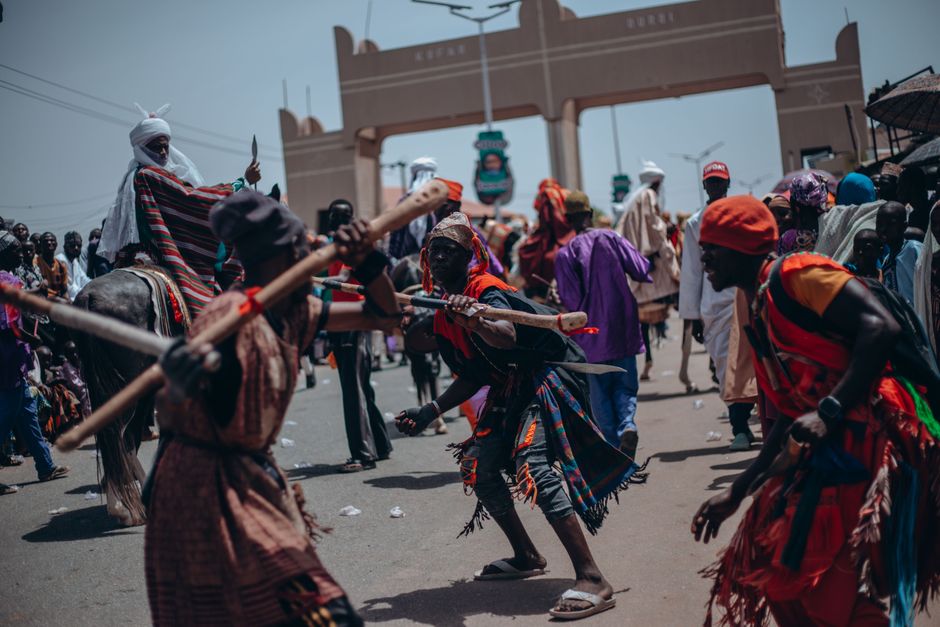
- Festivals: Durbar festivals showcasing horsemanship and traditional attire.
The Yoruba: A Celebration of Life
The Yoruba people are renowned for their vibrant festivals and dynamic art forms. Predominantly found in the southwestern parts of Nigeria, the Yoruba culture is one of celebration and color.
- Language: The Yoruba language is tonal, adding musicality to communication.
- Art: Famous for their beadwork, masks, and sculptures.
- Festivals: Osun-Osogbo Festival, a UNESCO-recognized cultural event.
The Igbo: Innovators and Traders
The Igbo people, primarily found in southeastern Nigeria, are known for their entrepreneurial spirit and rich traditions.
- Language: Igbo is spoken by millions and has numerous dialects.
- Art: Renowned for their intricate carvings and unique uli body art.
- Festivals: New Yam Festival, a celebration of the harvest season.
Nigerian Festivals: A Glimpse into Cultural Extravagance
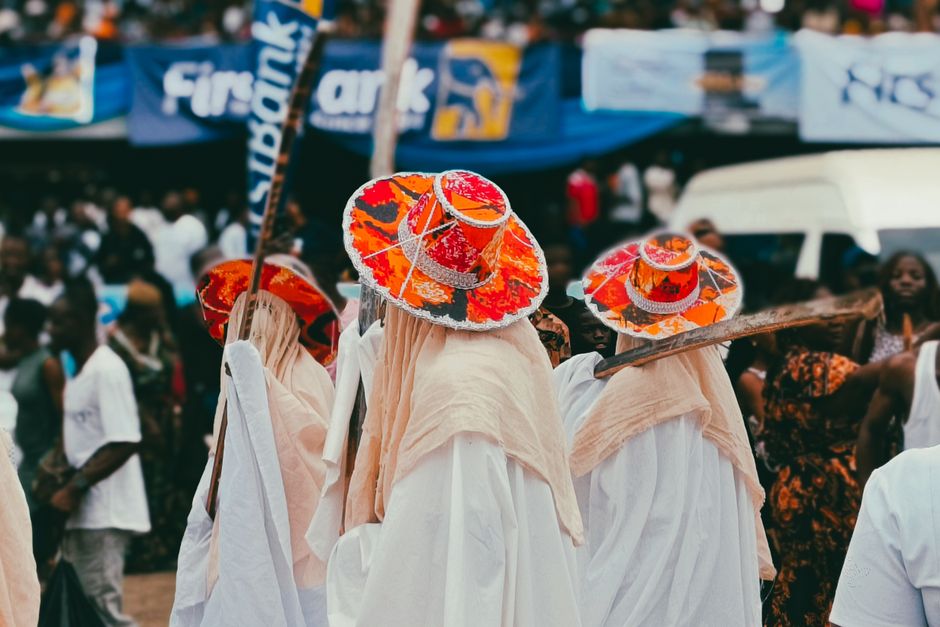
Nigerian festivals are a spectacle of vibrant colors, traditional music, and dance. They offer an insight into the community's way of life and provide an opportunity for cultural exchange.
Durbar Festival
Held in several northern cities like Kano and Katsina, the Durbar Festival is a stunning display of horsemanship and pageantry. It commemorates the end of Ramadan and Eid al-Fitr, showcasing the rich culture and traditions of the Hausa people.
"The Durbar Festival is a must-see event, offering an unparalleled glimpse into the heritage of Northern Nigeria."
Osun-Osogbo Festival
This annual festival held in Osogbo is a cultural and spiritual gathering dedicated to the goddess of fertility, Osun. It attracts worshippers from across the globe, reinforcing the universal appeal of Nigerian spirituality and tradition.
New Yam Festival
The New Yam Festival marks the beginning of the harvest season and is celebrated by the Igbo people with much enthusiasm. The festival is characterized by feasting, dancing, and cultural displays, symbolizing abundance and gratitude.
The Rhythm of Nigeria: Music and Dance
Music is the heartbeat of Nigeria. From Afrobeat pioneered by the legendary Fela Kuti to the contemporary sounds of Burna Boy and Wizkid, Nigerian music is a force to be reckoned with globally.
Afrobeat: The Sound of Change
Born in the bustling city of Lagos, Afrobeat is a musical genre that combines traditional African rhythms with jazz and funk. It has become a powerful means of political expression and cultural identity.
Traditional Music and Dance
Each ethnic group has its own traditional music and dance forms, often performed during festivals and ceremonies. These performances are not just entertainment; they are a vital part of storytelling and cultural preservation.
- Yoruba Bata Dance: A traditional dance accompanied by drumming that narrates stories of historical and spiritual significance.
- Igbo Ekwe Music: A percussion-based music form that features prominently in Igbo festivals.
The Culinary Landscape of Nigeria
Nigerian cuisine is as diverse as its culture, offering a plethora of flavors and dishes that reflect its rich cultural tapestry. From spicy jollof rice to hearty egusi soup, Nigerian food is a culinary adventure.
Jollof Rice: A National Favorite
Jollof Rice is a quintessential Nigerian dish, celebrated for its rich flavors and vibrant color. It's a staple at parties and family gatherings, often sparking friendly debates over its preparation methods.
Traditional Soups and Stews
Nigerian soups and stews are hearty and flavorful, often served with fufu or pounded yam. They are an integral part of Nigerian dining and social gatherings.
- Egusi Soup: Made from melon seeds, it's a popular choice across different tribes.
- Ogbono Soup: Known for its distinctive slimy texture, it is loved by many Nigerians.
Final Thoughts
Nigeria's rich cultural landscape is a testament to its diverse heritage and vibrant communities. From the pulsating beats of Afrobeat to the intricate artistry of traditional crafts, Nigeria is a nation that celebrates its past while embracing the future. Whether you're exploring the bustling streets of Lagos or attending a traditional festival in the north, Nigeria offers a cultural experience like no other. As a traveler, immersing yourself in these cultural treasures will not only broaden your perspective but also leave you with unforgettable memories.