Nigeria, the giant of Africa, is not only known for its bustling economy and vibrant cities but also for its rich cultural tapestry that continues to captivate the imagination of travelers worldwide. With over 250 ethnic groups, Nigeria offers a kaleidoscope of traditions, languages, and customs. Whether it's the rhythmic beats of traditional drums or the colorful festivals that light up the streets, Nigerian culture is a celebration of diversity and unity.
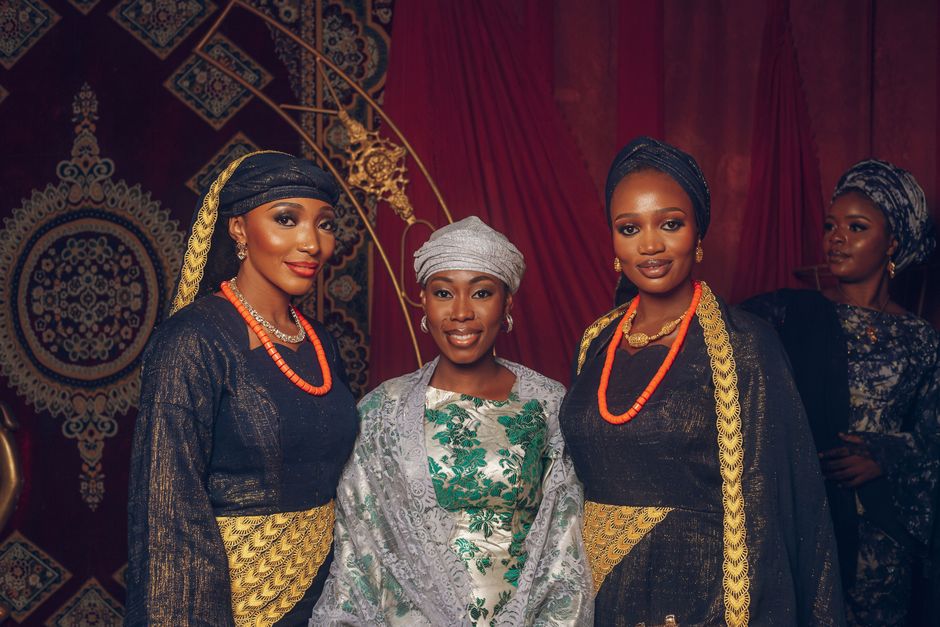
As you embark on this cultural journey through Nigeria, you'll discover that each region of the country boasts its own unique customs and traditions. From the Hausa-Fulani of the North with their intricate beadwork to the Yoruba of the Southwest known for their vibrant dance and music, and the Igbo of the Southeast with their ancient art forms, Nigeria's cultural landscape is as diverse as it is fascinating.
Join us as we delve deeper into the heart of Nigerian culture, exploring the elements that make it a destination worth experiencing for any traveler seeking an authentic taste of Africa.
The Festivals of Nigeria: Celebrating Heritage
The Eyo Festival: Lagos's Spectacular Masquerade
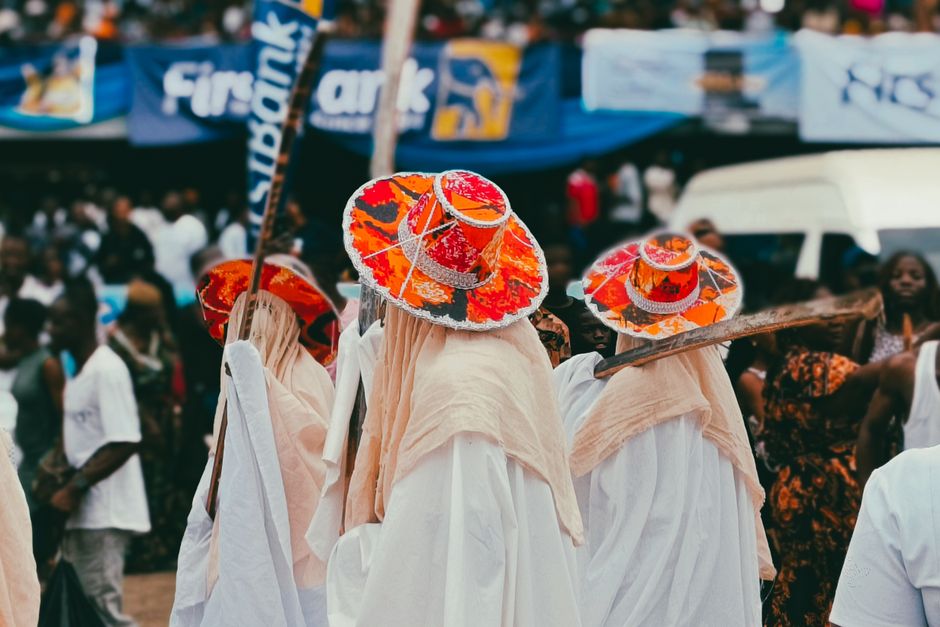
The Eyo Festival, held in Lagos, is one of Nigeria's most colorful and significant cultural events. This traditional masquerade festival is a vibrant display of Yoruba culture, where participants dressed in all-white attire, known as Eyo, parade through the streets. The festival is usually held in honor of a prominent Lagosian who has passed away or to commemorate a significant event.
During the festival, the city of Lagos becomes a sea of white, with Eyo masqueraders performing captivating dances to traditional music. This event not only pays homage to the ancestors but also serves as a powerful reminder of the Yoruba people's rich cultural heritage.
The Durbar Festival: A Northern Extravaganza
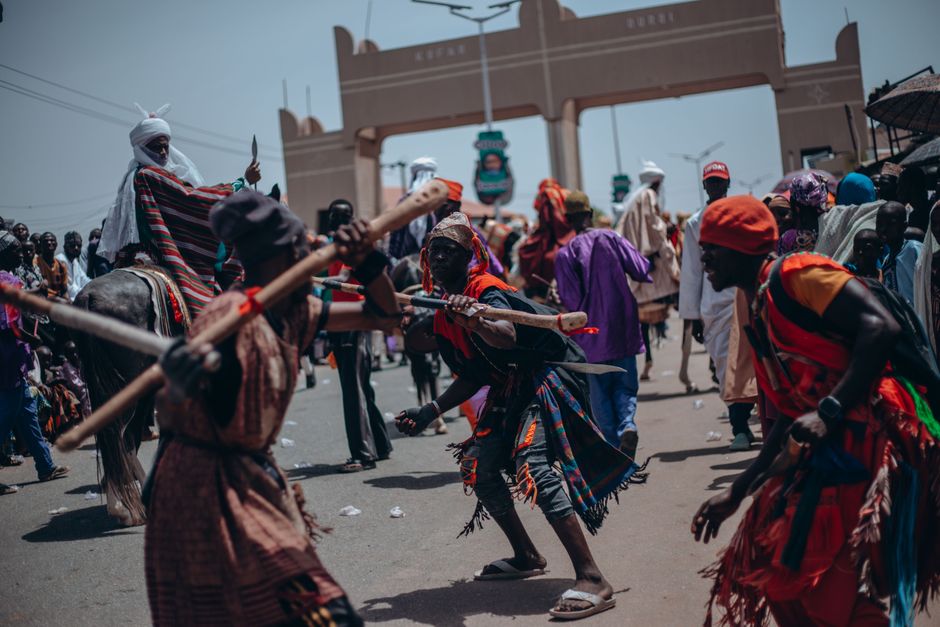
The Durbar Festival, predominantly celebrated in Northern Nigeria, is a spectacular display of horsemanship and pageantry. Originally organized to mark the end of Ramadan, the Durbar has grown into a cultural and social event that attracts visitors from all over the world.
During the festival, elegantly dressed horsemen parade through the streets, performing thrilling displays of skill and dexterity. The vibrant costumes, traditional music, and the sense of community make the Durbar Festival a must-see event for anyone interested in Nigerian culture.
Nigerian Cuisine: A Culinary Adventure
Popular Dishes to Savor
- Jollof Rice: This iconic West African dish, made with rice, tomatoes, and a blend of spices, is a staple at Nigerian gatherings. Often accompanied by fried plantains and grilled chicken, Jollof Rice is a crowd favorite that never disappoints.
- Pounded Yam and Egusi Soup: A quintessential Nigerian meal, pounded yam is often served with egusi soup, a flavorful soup made with melon seeds and leafy vegetables. This hearty dish is a testament to Nigeria's rich culinary heritage.
- Suya: A popular street food, suya is spicy grilled meat skewers seasoned with a special blend of spices. This delicacy is a must-try for anyone visiting Nigeria, offering a taste of the country's vibrant street food scene.
The Role of Food in Nigerian Culture
Food in Nigeria is more than just sustenance; it is a vital part of the culture. Meals are often a communal experience, bringing families and friends together to share stories and laughter. Whether it's a festive occasion or a simple family gathering, Nigerian cuisine plays a crucial role in fostering a sense of community and belonging.
The Music and Dance of Nigeria: Rhythms of the Nation
Afrobeat: The Global Phenomenon
Afrobeat, a genre pioneered by the legendary Fela Kuti, has put Nigerian music on the global map. Characterized by its fusion of traditional African rhythms with jazz, funk, and highlife, Afrobeat has become synonymous with energetic performances and socially conscious lyrics.
"Afrobeat is not just music; it's a movement that embodies the spirit of resistance and hope." — Femi Kuti
Today, artists like Burna Boy and Wizkid continue to propel Afrobeat to international prominence, making it a defining sound of contemporary African music.
Traditional Dance: Expressing Culture Through Movement
Dancing is an integral part of Nigerian culture, with each ethnic group boasting its own unique dance styles. From the energetic Bata dance of the Yoruba to the graceful Atilogwu dance of the Igbo, Nigerian dances are a vibrant expression of identity and tradition.
These dances are often performed at cultural festivals, weddings, and other social gatherings, serving as a powerful medium for storytelling and cultural expression.
Traditional Art and Craft: The Creative Spirit of Nigeria
The Art of the Nok: Ancient Sculptures
The Nok culture, dating back to 1000 BC, is renowned for its terracotta sculptures, which are considered some of the earliest examples of African art. These intricate sculptures depict human and animal figures, showcasing the advanced artistic skills of the Nok people.
Many of these artifacts are displayed in museums around the world, offering a glimpse into Nigeria's ancient artistic heritage.
Contemporary Nigerian Art: A Vibrant Scene
Nigeria's contemporary art scene is thriving, with artists like Ben Enwonwu and Yinka Shonibare gaining international acclaim. Lagos, in particular, has become a hub for contemporary art, with numerous galleries and exhibitions showcasing the works of both established and emerging artists.
This dynamic art scene reflects the creative spirit of Nigeria, where traditional influences blend seamlessly with modern interpretations.
Final Thoughts
Nigeria's cultural richness offers a mesmerizing journey for travelers eager to explore the diverse heritage of this West African nation. From its vibrant festivals and tantalizing cuisine to its captivating music and art, Nigeria is a land of endless cultural treasures waiting to be discovered. As you plan your next adventure, let the spirit of Nigeria guide you to a deeper understanding and appreciation of Africa's cultural heartbeat.