Nigeria, known as the 'Giant of Africa,' boasts a vibrant and diverse cultural heritage. With over 250 ethnic groups and more than 500 languages, Nigeria offers a unique tapestry of traditions, music, art, and festivals. Understanding this rich cultural landscape is not only fascinating but essential for anyone looking to truly appreciate what makes Nigeria a standout destination in Africa.
Imagine walking through the bustling streets of Lagos, the air filled with the sounds of Afrobeats, or attending a traditional Yoruba wedding with its vibrant colors and intricate dances. These experiences are just a glimpse into Nigeria's deep cultural roots. As you delve deeper, you'll discover a nation where the past and present seamlessly intertwine, offering endless opportunities for exploration and connection.
In this article, we'll take you on a journey through some of the key cultural highlights that define Nigeria. From its historical landmarks to the pulsating rhythms of its music, we'll explore the elements that make Nigerian culture so intriguing and influential worldwide.
The Diversity of Nigerian Ethnic Groups
Nigeria’s ethnic diversity is one of its most defining characteristics. The three largest ethnic groups are the Hausa-Fulani in the north, the Yoruba in the southwest, and the Igbo in the southeast. Each of these groups has its own distinct language, customs, and traditions.
The Hausa-Fulani Heritage
The Hausa-Fulani people are predominantly found in Northern Nigeria, where Islam plays a significant role in their daily lives. From the intricate patterns of handwoven fabric to the ornate architecture of mosques, their culture is rich and deeply rooted in history.
- Traditional attire often includes the flowing gowns called 'babanriga'.
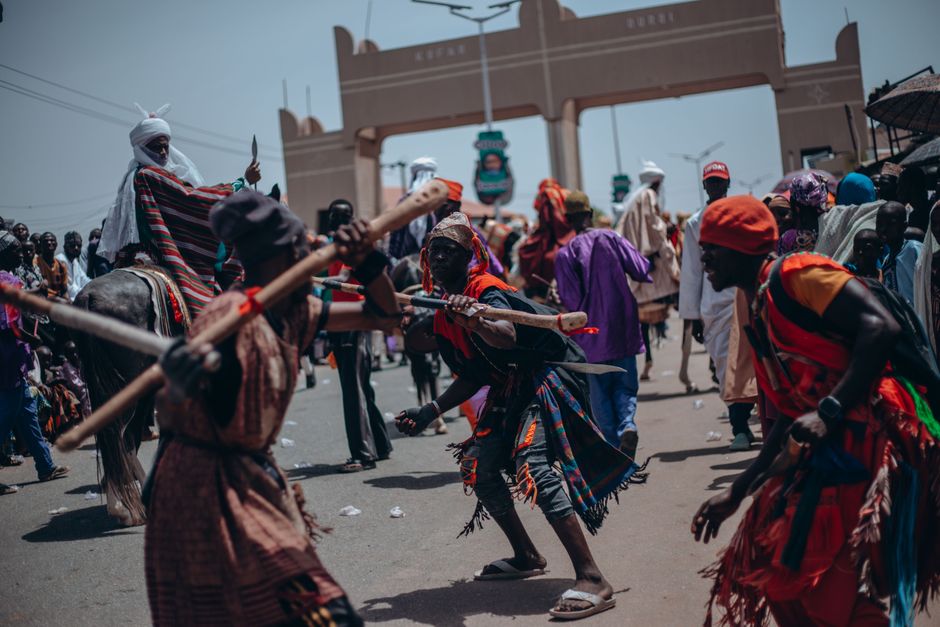
- Music and dances such as the 'durbar' festival showcase their equestrian skills and musical heritage.
- Famous for their vibrant markets, such as the Kano market, which is one of the largest in Africa.
The Yoruba Traditions
In the southwest, the Yoruba people are known for their artistic prowess, particularly in sculpture and textiles. Their culture is deeply spiritual and often involves elaborate ceremonies and festivals.
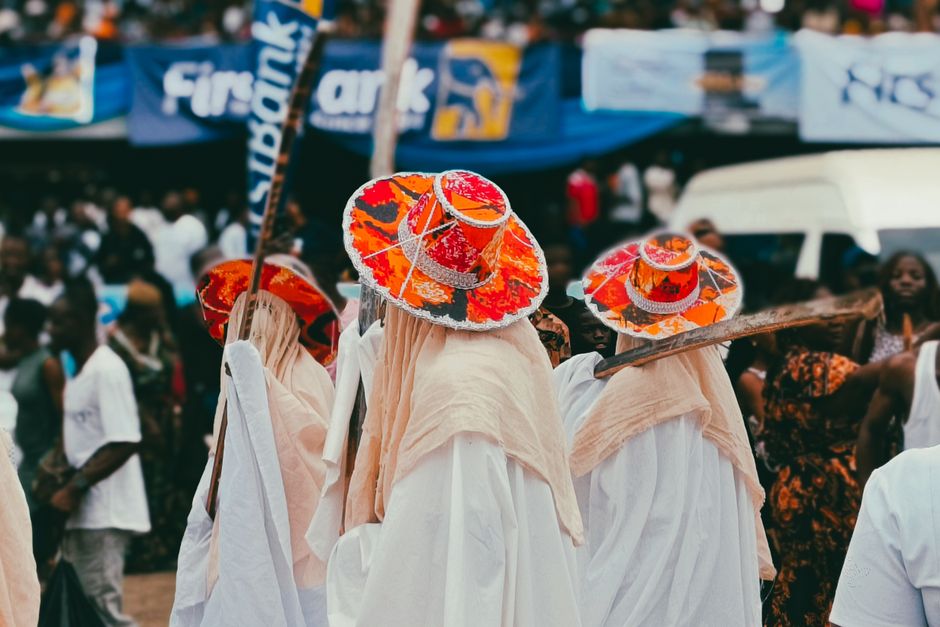
- The 'Eyo Festival' in Lagos is a colorful display of tradition and dance, attracting tourists from all over the world.
- The Yoruba language's proverbs and folktales form a critical aspect of their oral traditions.
- Traditional Yoruba music, including the use of talking drums, is central to their cultural expression.
The Igbo Culture and Innovation
The Igbo people, known for their entrepreneurial spirit, have a vibrant culture that emphasizes community and innovation. They are predominant in the southeast and are famous for their traditional music and dance forms.
- The 'New Yam Festival' is a significant event that symbolizes the end of the planting season and the beginning of the harvest.
- Igbo art is renowned for its wood carvings and masks used in various ceremonies.
- The 'Atilogwu Dance' is a captivating performance that highlights their agility and creativity.
The Influence of Nigerian Music
Nigeria's music scene is one of its most famous exports, with Afrobeats taking the world by storm. From Fela Kuti's pioneering work to contemporary artists like Burna Boy and Tiwa Savage, Nigerian music is a powerful cultural force.
The Rise of Afrobeats
Afrobeats, a genre that blends traditional African music with global sounds, has become synonymous with Nigeria. Its infectious rhythms and energetic beats have captivated audiences worldwide.
- Fela Kuti, often credited as the 'Father of Afrobeats', used his music as a platform for political activism.
- Contemporary Afrobeats has been popularized by artists like Wizkid and Davido, who have brought Nigerian music to international stages.
- Music festivals such as the 'Felabration' celebrate this vibrant genre annually in Lagos.
Traditional Nigerian Music
Beyond Afrobeats, traditional music remains an essential part of Nigerian culture. Each ethnic group has its distinctive sound and style, often used in ceremonies and festivals.
- Traditional instruments such as the 'udu' (a clay pot drum) and 'agidigbo' (plucked lamellophone) are central to Nigerian music.
- Music serves as a means of storytelling and preserving history.
- Many traditional songs are accompanied by complex dance routines that enhance the cultural narrative.
Nigerian Art and Fashion
Nigeria's art scene is as diverse as its people, with contemporary artists gaining international recognition and traditional crafts continuing to thrive.
The Evolution of Nigerian Art
From the ancient Nok terracotta sculptures to modern art installations, Nigerian artists have always pushed boundaries.
- Renowned artists like Ben Enwonwu and Nike Davies-Okundaye have left an indelible mark on the art world.
- Nigeria hosts numerous art exhibitions and fairs, such as the Art X Lagos, showcasing the country's artistic talent.
- Art is not only a means of expression but also a tool for social change and commentary.
The Vibrant Nigerian Fashion Scene
Nigerian fashion is known for its bold colors, intricate patterns, and a blend of traditional and modern styles.
- Lagos Fashion Week highlights the creativity and innovation of Nigerian designers.
- Ankara fabric is a staple in Nigerian fashion, used in everything from casual wear to elaborate outfits.
- Traditional attire, such as the Igbo 'isiagu' or Yoruba 'aso-oke', remains popular for special occasions.
Festivals and Celebrations
Nigerian festivals are a testament to the country’s rich cultural diversity and its people's penchant for celebration.
The Durbar Festival
Held in Northern Nigeria, the Durbar Festival is a spectacular display of horsemanship and pageantry, celebrating Islamic culture and history.
- The event includes a vibrant parade of horses, with riders adorned in traditional attire.
- It's a time for communities to come together and celebrate regional traditions.
- The festival also features traditional music and dances, adding to its colorful atmosphere.
The Osun-Osogbo Festival
This annual festival, dedicated to the river goddess Osun, is held in the sacred Osun-Osogbo Grove, a UNESCO World Heritage site.
- Participants make a pilgrimage to the sacred grove, offering prayers and sacrifices.
- The festival is a vibrant display of Yoruba spirituality and culture.
- It attracts both locals and international tourists, drawn by its spiritual and cultural significance.
Conclusion
Nigeria's cultural landscape is as vast and varied as its geography, offering a wealth of experiences for those eager to explore. Whether you're drawn to the rhythmic beats of Afrobeats, the vibrant colors of Nigerian fashion, or the profound traditions of its many festivals, Nigeria promises a journey filled with discovery and delight. As a Nigerian reader, exploring these cultural aspects offers a chance to reconnect with your heritage and share it with the world. So next time you plan a journey, delve into the heart of Nigeria's culture, where every story is a masterpiece waiting to be told.