Nigeria, often referred to as the 'Giant of Africa', is a melting pot of cultures, languages, and traditions. From its bustling cities like Lagos and Abuja to the serene landscapes of its countryside, Nigeria's cultural diversity is as vast as its geographic landscape. For Nigerian readers, understanding and appreciating the depth of their own culture can offer a renewed sense of pride and connection. This guide aims to take you on a journey through the fascinating facets of Nigerian culture, from its vibrant festivals to its rich culinary heritage.
Whether you're planning a visit to Nigeria or simply eager to learn more about this African powerhouse, this comprehensive guide will provide you with insights and tips to immerse yourself in the Nigerian way of life.
A Tapestry of Languages
One of Nigeria's most defining features is its linguistic diversity. With over 500 languages spoken, each language represents a distinct ethnic group with its unique cultural practices. The three most widely spoken languages are Yoruba, Igbo, and Hausa, each with its own dialects and cultural nuances.
The Yoruba Language and Culture
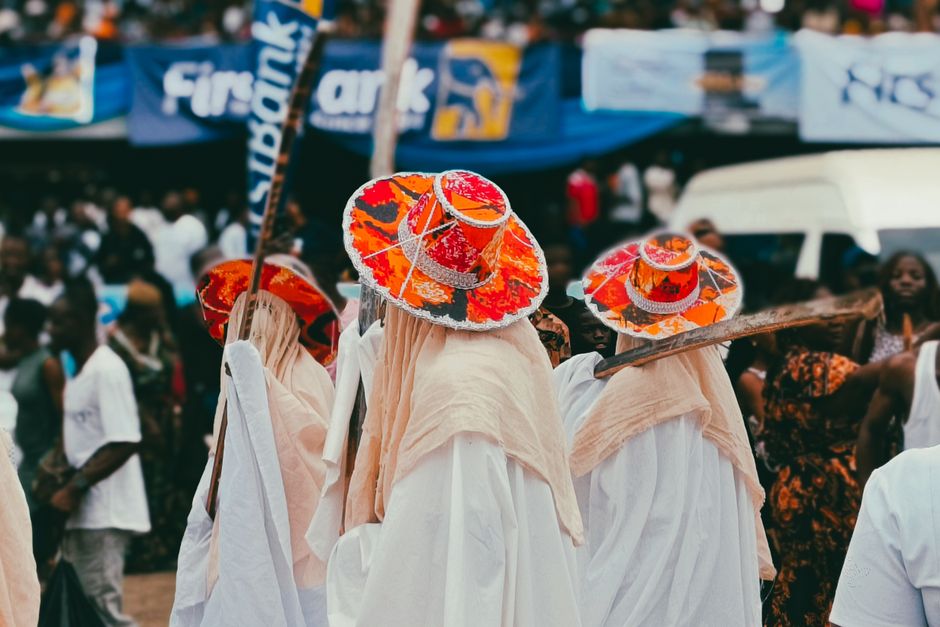
The Yoruba people, predominantly found in southwestern Nigeria, boast a rich cultural heritage. Their language, Yoruba, is not only a means of communication but also a key component of their identity. Yoruba culture is renowned for its emphasis on kinship ties, respect for elders, and vibrant festivals such as the Eyo festival.
Igbo Language and Traditions
The Igbo people, primarily from southeastern Nigeria, are known for their entrepreneurial spirit and rich traditions. Language is a crucial aspect of Igbo identity, with proverbs playing a significant role in communication. The New Yam Festival, celebrated annually, is one of the most important festivals for the Igbo community, symbolizing abundance and gratitude.
Hausa Language and Heritage
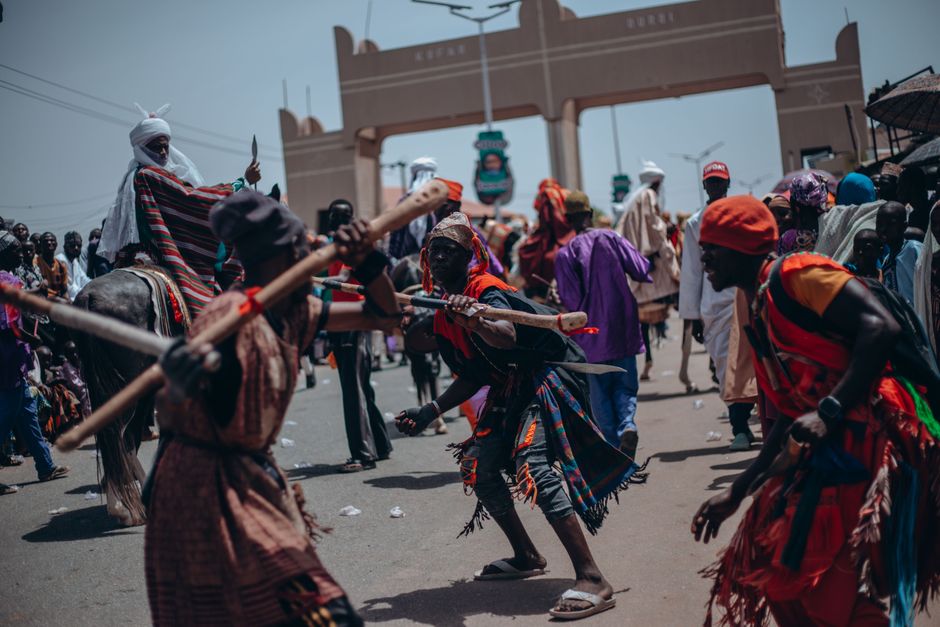
In the northern region of Nigeria, the Hausa language serves as a lingua franca for many. The Hausa culture is deeply rooted in Islamic traditions, influencing their customs, architecture, and attire. The Durbar festival, held in cities like Kano and Zaria, showcases the grandeur of Hausa heritage through horse parades and cultural pageantry.
Cultural Festivals: A Time of Celebration
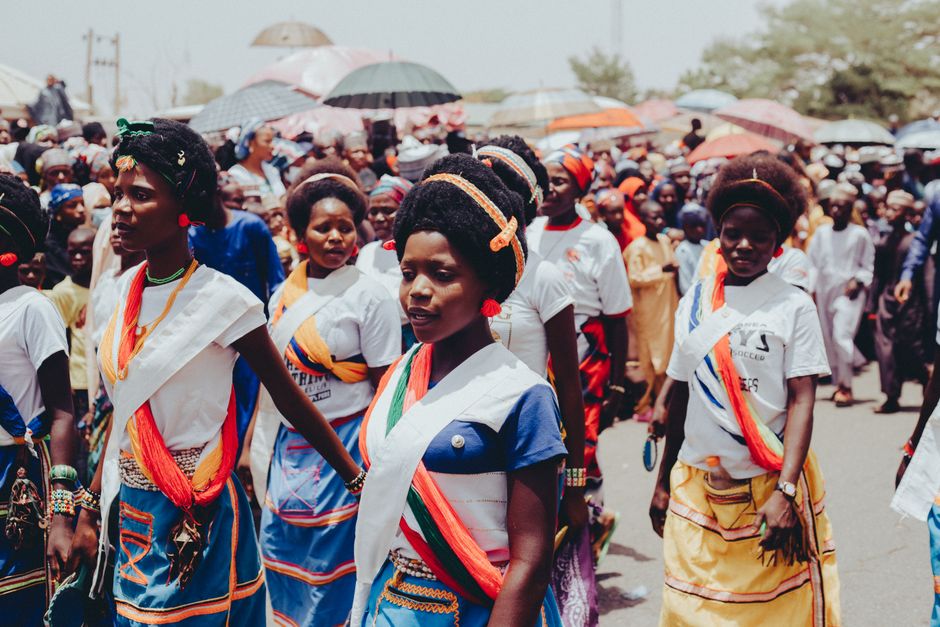
Nigerian festivals are vibrant, colorful, and full of life. They offer a glimpse into the country's rich cultural fabric and are an essential part of social life. From religious celebrations to traditional rites, each festival holds a unique significance.
The Osun-Osogbo Festival
Held in Osun State, the Osun-Osogbo Festival is a UNESCO-recognized cultural event that attracts visitors from around the world. Celebrated in honor of the river goddess Osun, the festival is a spectacular blend of spirituality, dance, and music.
The Calabar Carnival
Often dubbed 'Africa's Biggest Street Party', the Calabar Carnival is a month-long celebration in December that transforms Cross River State into a hub of dance, music, and vibrant parades. It is an excellent showcase of Nigeria's diverse cultures and artistic expressions.
"The Calabar Carnival is more than just entertainment; it's a celebration of unity in diversity."
The Argungu Fishing Festival
Located in Kebbi State, the Argungu Fishing Festival is one of Nigeria's oldest and most culturally significant festivals. Celebrating the end of the fishing season, it is a four-day event filled with traditional music, dance, and a fishing competition that draws thousands of participants and spectators.
Nigerian Cuisine: A Culinary Adventure
Nigerian cuisine is as diverse as its culture, offering a wide array of flavors and dishes that reflect the country's ethnic diversity. From spicy soups to savory snacks, Nigerian food is a delightful experience for the senses.
Popular Nigerian Dishes
- Jollof Rice: A staple at any Nigerian party, this vibrant, spicy rice dish is often accompanied by fried plantains and grilled chicken.
- Egusi Soup: Made from melon seeds, this hearty soup is typically served with pounded yam or fufu.
- Suya: A popular street food, suya is a spicy skewered meat dish seasoned with a unique blend of spices.
- Moi Moi: A delicious steamed bean pudding often enjoyed as a side dish.
Street Food and Snacks
Nigerian street food offers a quick and tasty way to enjoy the local cuisine. From roadside vendors to bustling markets, the options are endless.
- Akara: Fried bean cakes that are crispy on the outside and soft on the inside, often eaten as a breakfast item.
- Puff-Puff: Sweet, deep-fried dough balls that are a favorite snack for both young and old.
- Boli: Grilled plantains, a popular street food often served with groundnut sauce.
The Influence of Arts and Music
Nigeria's artistic scene is vibrant and influential, with the country's music and arts gaining recognition on the global stage. From Nollywood to Afrobeats, Nigerian creatives are making waves worldwide.
Nollywood: The Heart of African Cinema
As one of the largest film industries globally, Nollywood produces a wide array of films that reflect the complexities of Nigerian society. From dramas to comedies, these films offer a glimpse into daily life and societal issues in Nigeria.
Afrobeats: A Musical Revolution
Nigeria is at the forefront of the Afrobeats movement, a genre that blends traditional African sounds with global music trends. Artists like Burna Boy, Wizkid, and Tiwa Savage have taken Nigerian music to the international stage, earning accolades and fans worldwide.
"Afrobeats is not just music; it's a cultural movement that connects Africa to the world."
Visual Arts: A Growing Scene
Nigerian artists are gaining international acclaim for their innovative and thought-provoking works. The art scene in cities like Lagos is thriving, with galleries and exhibitions showcasing contemporary Nigerian art that challenges and inspires.
The Spirit of Nigerian Hospitality
Nigerians are known for their warmth and hospitality, making visitors feel at home regardless of where they come from. This spirit of generosity is deeply rooted in the culture and is evident in everyday interactions.
Traditional Greetings and Etiquette
Greetings in Nigeria are an important part of social etiquette. A firm handshake, a warm smile, and asking about one's family are common practices that reflect respect and genuine interest.
Community and Togetherness
Community plays a crucial role in Nigerian society, with communal living and shared responsibilities being common in many parts of the country. Whether it's coming together for a festival or supporting one another in times of need, the sense of community is a defining feature of Nigerian culture.
Conclusion
Nigeria's cultural landscape is a rich tapestry woven from its diverse ethnic groups, languages, and traditions. From its vibrant festivals and flavorful cuisine to its influential arts and music, Nigeria offers a unique and enriching experience for anyone willing to explore its depths. Whether you're a local or a visitor, immersing yourself in Nigerian culture promises an unforgettable journey filled with discovery and delight.