East Africa, a region known for its breathtaking landscapes and diverse wildlife, also boasts a rich cultural heritage that is as vibrant and varied as its natural beauty. For Nigerian travelers looking to immerse themselves in something truly unique, East Africa offers an array of cultural experiences that promise to leave a lasting impression. From the rhythmic beats of traditional dances to the intricate artistry of local crafts, East Africa's cultural tapestry is a rich mosaic waiting to be explored.
In this article, we will journey through the cultural landscapes of East Africa, exploring the traditions and customs that define this enchanting part of the continent. We will delve into the languages, festivals, music, and art that make East Africa a cultural treasure trove. Whether you're planning a trip or simply dreaming of one, join us as we uncover the cultural wonders of East Africa.
The Diverse Languages of East Africa
Language plays a crucial role in understanding the cultural fabric of any region. In East Africa, the linguistic diversity is astounding, with hundreds of languages spoken across the region. Swahili, the lingua franca of East Africa, is widely used and serves as a unifying medium for communication across borders.
Swahili: The Language of Unity
Originating from the coastal communities of Kenya and Tanzania, Swahili is a Bantu language that incorporates elements from Arabic, reflecting the historical influences of trade and interaction along the Swahili Coast. For Nigerian travelers, learning a few basic Swahili phrases like "Karibu" (Welcome) and "Asante" (Thank you) can enhance communication and create a more immersive experience.
Regional Languages
Beyond Swahili, East Africa is home to numerous regional languages, each with its own unique history and cultural significance. In Ethiopia alone, over 80 languages are spoken, with Amharic being the official language. Similarly, Uganda and Rwanda boast a rich linguistic heritage with languages such as Luganda and Kinyarwanda.
Cultural Festivals and Celebrations
Festivals and celebrations are an integral part of East African culture, offering a glimpse into the values and traditions that shape the region's identity. These events provide an opportunity for locals and visitors alike to come together in celebration of their shared heritage.
Mombasa Carnival
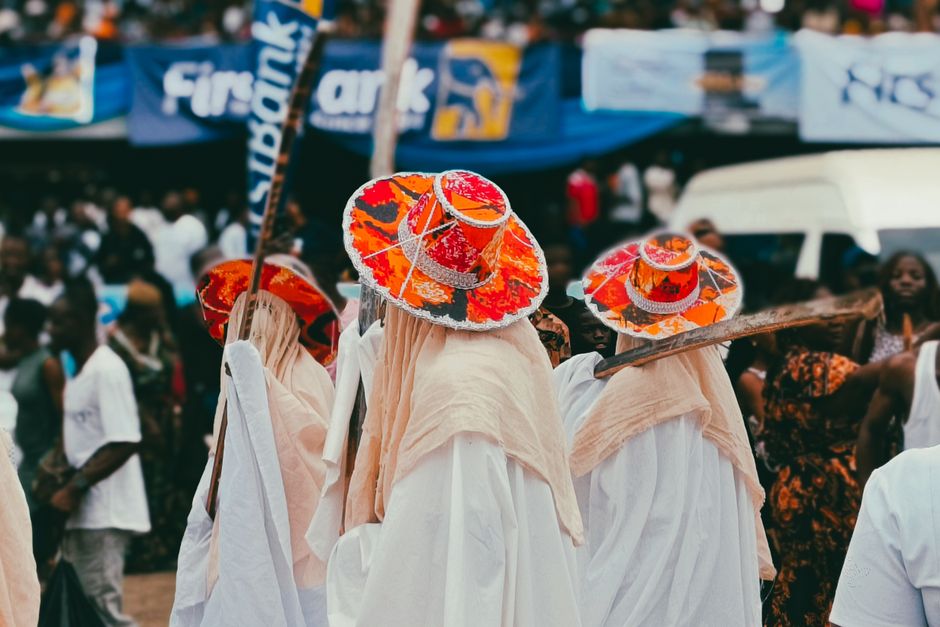
Held annually in Kenya's second-largest city, the Mombasa Carnival is a vibrant celebration of East African culture, featuring a dazzling parade, music, dance, and culinary delights. Visitors can experience the rich cultural diversity of the region firsthand, with participants donning colorful traditional attire representing different ethnic groups.
Timkat: The Ethiopian Epiphany
Timkat, celebrated in January, is one of Ethiopia's most important religious festivals, commemorating the baptism of Jesus in the Jordan River. The festival is marked by processions, music, and ritualistic reenactments, attracting thousands of devotees and curious travelers alike.
Music and Dance: The Heartbeat of East Africa
Music and dance are central to East African culture, acting as powerful expressions of identity and unity. The region is renowned for its diverse musical genres and dance styles, each offering a unique insight into the cultural narratives of its people.
Taarab: The Melodic Blend
Originating from the Swahili Coast, Taarab is a musical genre that combines African, Arab, Indian, and Western elements, creating a rich and melodic soundscape. The music is often accompanied by poetic lyrics, conveying stories of love, life, and social issues.
Traditional Dances
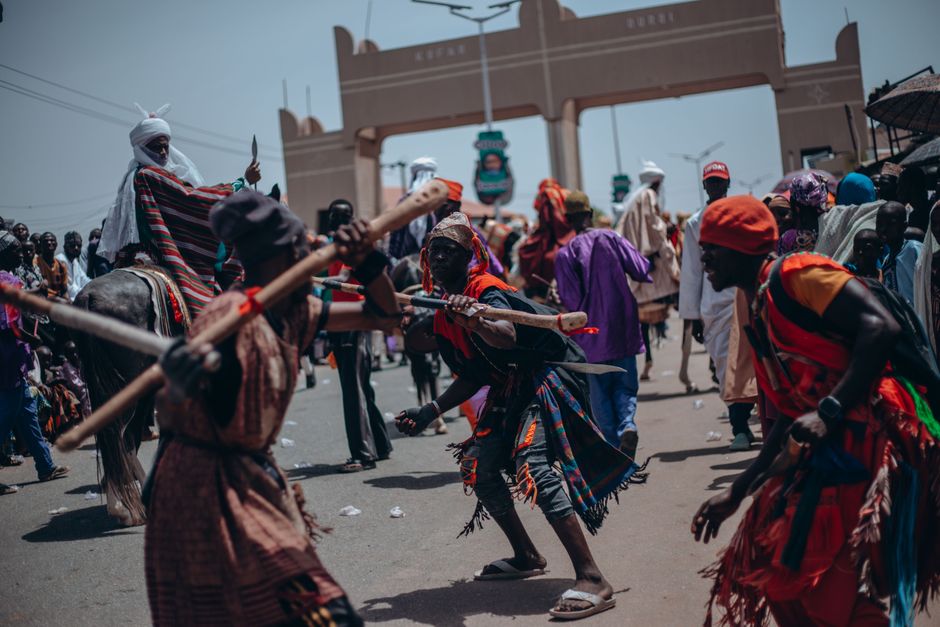
From the Maasai warrior dances to the vibrant kiganda dances of Uganda, East Africa's traditional dances are a testament to the region's cultural diversity. These dances often involve rhythmic movements, colorful costumes, and are performed during communal celebrations and special occasions.
Art and Craft: A Reflection of Culture
The art and craftsmanship of East Africa are deeply rooted in the region's cultural heritage, reflecting its history, beliefs, and way of life. From intricate beadwork to vibrant textiles, East African art is a vibrant expression of creativity and identity.
Maasai Beadwork
The Maasai people are renowned for their exquisite beadwork, which is used to create stunning jewelry and decorative items. Each piece of beadwork carries cultural significance and is often used to convey messages of status, wealth, and social identity.
East African Textiles
East Africa is home to a variety of textiles, each with its own distinctive patterns and colors. Kente cloth from Uganda and Kitenges from Kenya and Tanzania are popular examples, often used in traditional clothing and ceremonial attire.
Final Thoughts
East Africa's cultural richness is a testament to its diverse heritage and vibrant spirit. For Nigerian travelers, exploring this part of the continent offers a unique opportunity to connect with the traditions and customs that have shaped the lives of East African communities for generations. Whether through language, festivals, music, dance, or art, East Africa invites you to experience its cultural wonders in a way that is both profound and unforgettable.