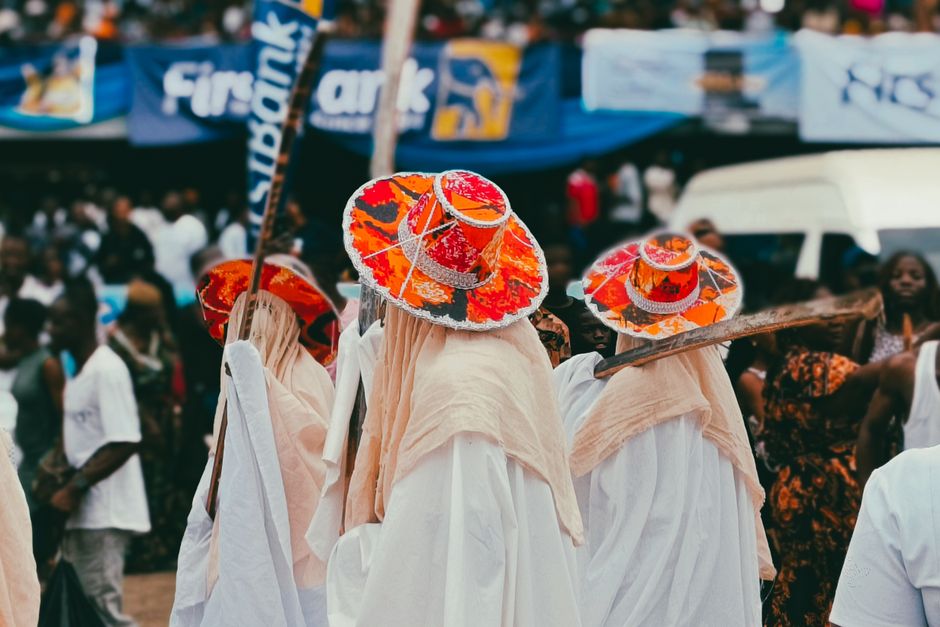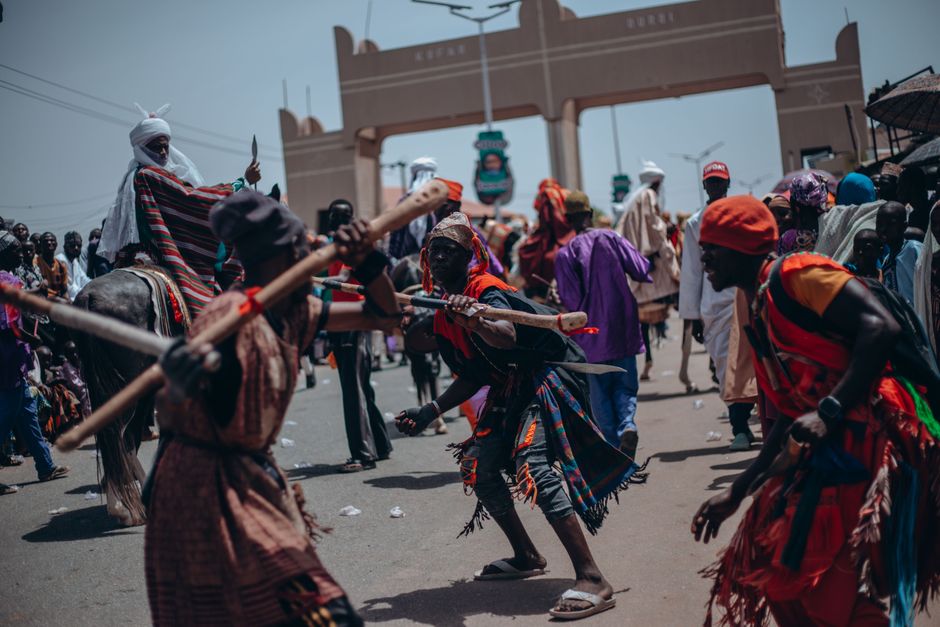
East Africa's rich culture is a vibrant tapestry woven from diverse ethnicities, languages, and traditions. Known for its stunning landscapes and wildlife, the region is equally captivating for its cultural depth. Whether you're strolling through the bustling markets of Nairobi or experiencing the ancient customs of the Maasai, each moment is a journey into the heart of African heritage.
Many Nigerians, with our love for vibrant cultures and traditions, will find East Africa's cultural landscape both familiar and fascinating. From the rhythmic beats of traditional music to the intricate designs of local art, East Africa offers a cultural experience that resonates with the soul. Let's explore the essence of East African culture, touching on the unique practices, culinary delights, and the timeless traditions that define this beautiful region.
The Essence of East African Traditions
East African traditions are as diverse as they are captivating, each telling its own story of the past and present.
Maasai Culture: A Timeless Heritage
The Maasai people, known for their distinctive dress and customs, are one of the most recognized ethnic groups in East Africa. Their nomadic lifestyle and vibrant ceremonies are a testament to their rich heritage.
- Adumu Dance: The iconic jumping dance, Adumu, is performed during special ceremonies, showcasing the strength and agility of Maasai warriors.
- Traditional Attire: Brightly colored shukas and elaborate beadwork are not only stylish but also carry cultural significance.
The Maasai's commitment to preserving their traditions is both inspiring and educational.
Swahili Coast: The Melting Pot of Cultures
The Swahili Coast is a cultural crossroads where African, Arab, Indian, and European influences blend seamlessly.
- Swahili Language: As the lingua franca of East Africa, Swahili embodies the region's multiculturalism.
- Zanzibar Festivals: Events like the Zanzibar International Film Festival celebrate the island's rich artistic heritage.
Visitors from Nigeria will find the Swahili culture's inclusive and welcoming nature refreshingly familiar.
Culinary Delights of East Africa
East African cuisine is a flavorful journey, with each dish telling a unique tale of tradition and innovation.
Popular Dishes to Try
Nigerian palates will appreciate the bold flavors and hearty ingredients that define East African cuisine.
- Ugali: A staple similar to Nigeria's eba, made from maize flour and served with various stews.
- Nyama Choma: Grilled meat, often goat or beef, is a favorite across the region, akin to suya in Nigeria.
- Pilau: Fragrant rice dish with spices, reminiscent of Nigerian jollof rice.
Unique Ingredients
Local ingredients add a distinct touch to East African cooking, making each meal an adventure.
- Coconut: Used in Swahili dishes for a creamy texture and rich flavor.
- Plantains: Fried or boiled, plantains are a beloved side dish across the region.
These ingredients create dishes that are not only delicious but also reflective of East Africa's natural bounty.
Traditional Music and Dance
Music and dance are at the core of East African culture, offering a glimpse into the region's soul and spirit.
Rhythms of the Region
From traditional beats to contemporary sounds, East African music is as diverse as its people.
- Ngoma Drumming: Traditional drumming that accompanies many cultural ceremonies.
- Benga Music: A popular genre in Kenya known for its lively beats and social messages.
Music in East Africa is a powerful tool for storytelling and preserving history.
Dance Styles
Dance is an integral part of East African culture, often used to express joy and communal identity.
- Gumboot Dance: Originating from South African miners, it has become popular across the continent.
- Isukuti Dance: A fast-paced dance from the Luhya community in Kenya, performed at weddings and other celebrations.
These dances reflect the diversity and vitality of East Africa, offering a vibrant showcase of the region's creativity.
Art and Craftsmanship
The artistic expressions of East Africa are as varied as the landscapes that inspire them, from intricate beadwork to bold paintings.
Traditional Crafts
East African craftsmanship is steeped in tradition, with each piece telling a story of its own.
- Beadwork: The Maasai and Samburu are renowned for their colorful and intricate beadwork.
- Wood Carvings: The Makonde tribe of Tanzania are famous for their detailed carvings, often depicting local myths and legends.
Contemporary Art
Modern East African artists draw inspiration from traditional themes while embracing new techniques.
- Tinga Tinga: A popular painting style from Tanzania characterized by bold colors and whimsical themes.
- Recycled Art: Artists in Nairobi are transforming discarded materials into stunning works of art, showcasing sustainability and creativity.
Art in East Africa is a living testament to the region's history, diversity, and resilience.
Conclusion
Exploring the cultural landscape of East Africa is a journey through the heart and soul of the continent. From the vibrant traditions of the Maasai to the culinary delights and artistic expressions, East Africa offers a rich tapestry of experiences for travelers. For Nigerians, the region's cultural dynamism resonates deeply, offering both familiar comforts and new adventures.
Whether you're drawn to the rhythmic drumming, the vibrant marketplaces, or the warm hospitality of its people, East Africa invites you to dive into its cultural richness and discover the stories that have shaped this incredible region.