Nigeria's Yoruba culture is a tapestry of vibrant traditions, music, and art, deeply woven into the fabric of everyday life. Whether you're wandering through the bustling streets of Lagos or visiting the serene towns of Ogun State, the rich cultural presence of the Yoruba people is inescapable. This article delves into the heart of Yoruba culture, offering insights and practical tips for travelers eager to experience one of West Africa's most enchanting heritages.
The Yoruba are known for their fascinating history and social structure, which have been parts of Nigeria for centuries. Recognized for their contributions to art, literature, and religion, the Yoruba people have managed to preserve their unique identity despite the rapid modernization around them. For Nigerian readers keen on rediscovering their roots, this journey into the Yoruba culture promises to be both enlightening and inspiring.
Over the next few sections, we'll explore key aspects of Yoruba culture, from traditional music and dance to their profound spiritual beliefs. Understanding these elements provides not just a glimpse into the past but also an appreciation of how these traditions continue to influence contemporary Nigerian society.
Yoruba Traditional Music and Dance
The Role of Music in Yoruba Society
Music is the heartbeat of Yoruba culture, integral to ceremonies, storytelling, and everyday life. The rhythms of the talking drum, known as dundun, echo through Yoruba communities, communicating messages and setting the mood for various events.
For Nigerians interested in music, Yoruba genres like Apala and Jùjú offer a rich listening experience, blending traditional sounds with modern influences.
Dance as a Cultural Expression
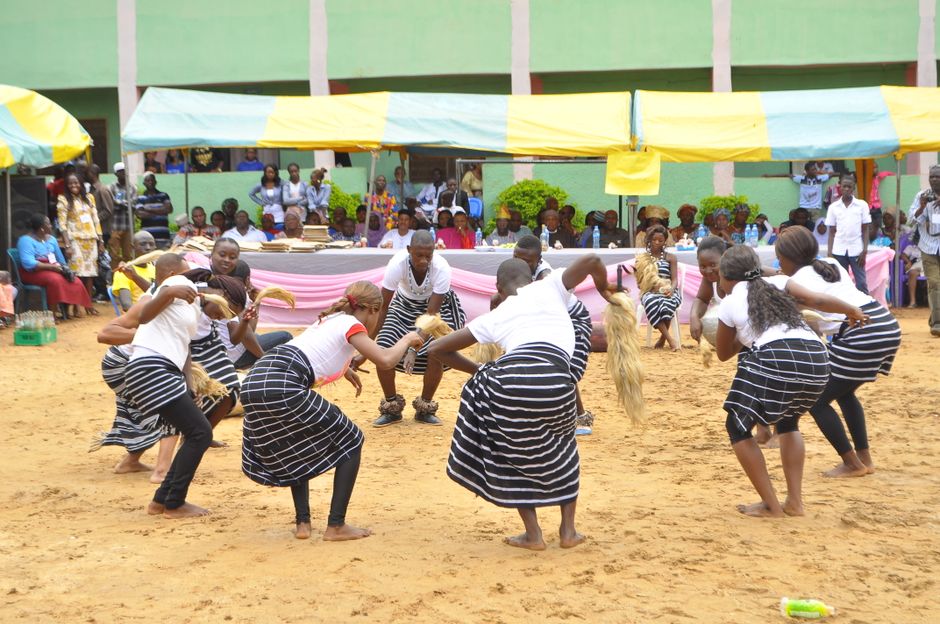
Dancing is equally central to Yoruba traditions, often performed at festivals and religious occasions. The movements tell stories of history, spirituality, and community values, inviting participation from all ages.
For travelers, joining a Yoruba dance is not just an opportunity to learn but a way to connect with the local community, making you feel right at home amidst the vibrant celebrations.
Yoruba Art and Crafts
The Importance of Sculpture and Painting
Yoruba art is recognized globally, particularly its intricate sculptures and vibrant paintings. Artists often depict gods, historical figures, and everyday life, preserving stories in their work. The Ife bronze heads are particularly notable for their aesthetic beauty and historical value.
"Art is not what you see, but what you make others see." - Yoruba Proverb
Textile and Beadwork
The Yoruba are renowned for their Aso Oke fabrics, a traditional hand-woven cloth used in creating stunning attire for special occasions. Beadwork is another significant craft, used in making jewelry and ceremonial regalia.
Visitors can explore markets in Ibadan or Lagos to purchase these exquisite pieces, supporting local artisans and taking a piece of Yoruba culture home.
Yoruba Religion and Spirituality
The Pantheon of Yoruba Deities
Yoruba spirituality is deeply rooted in the worship of deities known as Orishas. These divine entities represent various aspects of life and nature, such as Ogun for iron and war, or Yemoja for the sea.
Understanding these spiritual beliefs offers insight into the moral and ethical frameworks that guide everyday Yoruba life, emphasizing harmony, respect, and community.
The Impact of Religion on Festivals
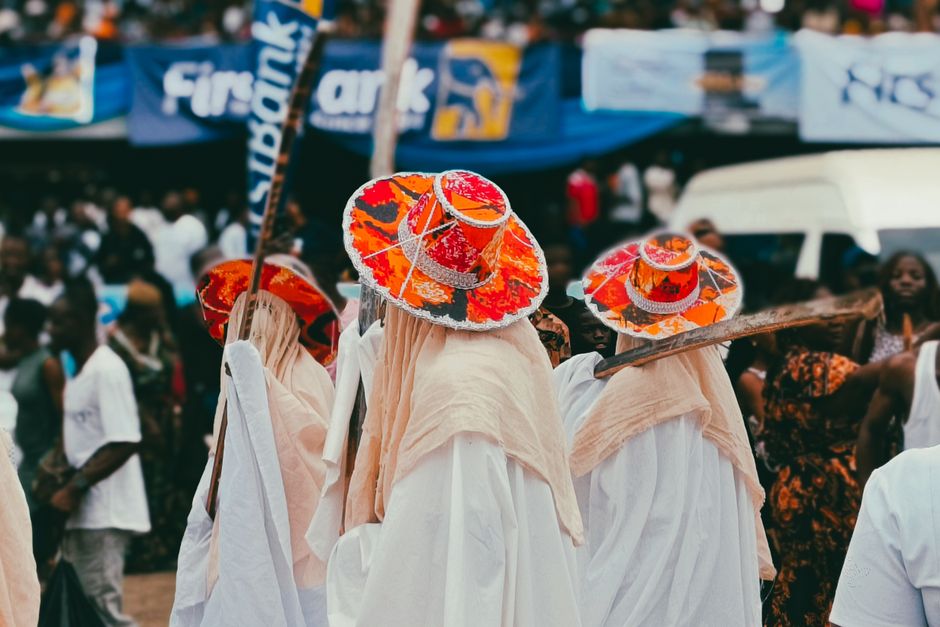
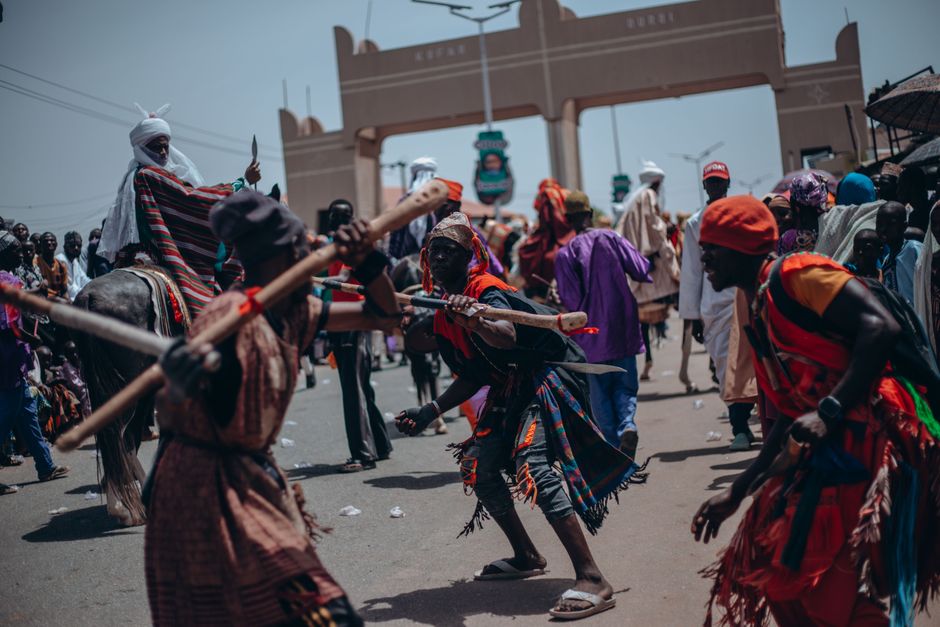
Yoruba festivals are vibrant events showcasing the richness of their religious beliefs. The Osun-Osogbo Festival, for example, attracts thousands interested in witnessing rituals that honor the goddess Osun.
These festivals are not just religious observances but also cultural spectacles, drawing tourists and locals alike into a vibrant display of faith, artistry, and communal spirit.
Yoruba Cuisine
Traditional Dishes to Try
- Amala and Ewedu: A popular dish made from yam flour served with a rich, savory soup.
- Pounded Yam and Egusi: A dish loved for its thick, hearty texture and flavorful melon seed-based soup.
- Suya: Spicy grilled meat skewers, a favorite street food across Nigeria.
Food is an essential part of Yoruba culture, often used to bring people together in celebration and fellowship. Trying these dishes is a delicious way to explore the cultural heritage.
Culinary Influence and Innovation
Yoruba cuisine continues to evolve, blending traditional recipes with contemporary cooking techniques. This innovation keeps the culture alive and invites new generations to enjoy these timeless flavors.
For Nigerian food enthusiasts, this exploration of Yoruba cuisine offers a chance to experiment in the kitchen, trying to recreate these iconic dishes with a personal twist.
Final Thoughts
Exploring the Yoruba culture offers a rich tapestry of experiences that capture the essence of Nigerian heritage. From the infectious beats of their music to the profound spirituality that pervades their festivals, the Yoruba people have a cultural legacy that continues to inspire and connect individuals across generations.
Whether you're a local or a traveler, the journey into Yoruba traditions is not just a historical exploration but a celebration of the enduring spirit and creativity of a people who have significantly shaped Nigeria's cultural landscape. As you explore this vibrant culture, you gain not just knowledge but a deeper appreciation for the diversity and depth that makes Nigeria truly unique.