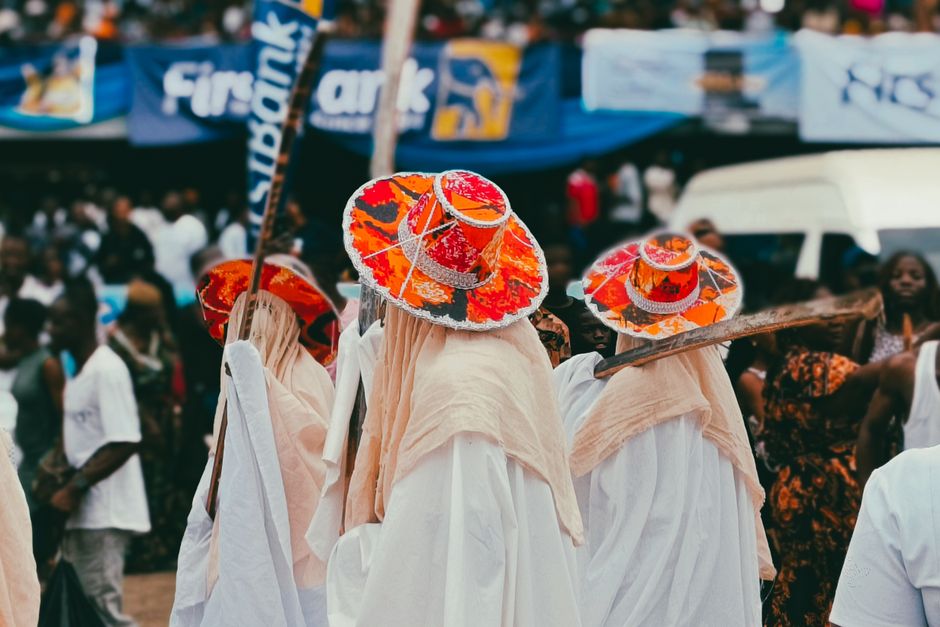
Nigeria, a land of diverse ethnicities and cultures, offers a unique tapestry of traditions and modern influences that captivates anyone who visits. From the bustling streets of Lagos to the serene landscapes of the north, Nigeria's culture is as varied as its geography. Whether you're drawn to the rhythmic beats of Afrobeat music or the intricate patterns of Ankara fabrics, there's something enchanting about the Nigerian way of life that beckons exploration.
For many Nigerians, culture isn't just a part of life; it's the essence of their identity. The country's rich heritage is reflected in its daily rituals, traditional celebrations, and artistic expressions, all of which paint a vivid picture of a nation proud of its past and optimistic about its future. As you delve into Nigeria's cultural landscape, you'll encounter a blend of ancient customs and contemporary practices that, together, form a compelling narrative of resilience and creativity.
Understanding Nigeria's cultural richness requires diving deep into its history, exploring the influences that have shaped its current landscape. In this article, we'll journey through Nigeria's cultural marvels, from the vibrant festivals that light up the cities to the timeless art forms preserved over generations. Join us as we unravel the cultural strands that make Nigeria a must-visit destination for any traveler eager to experience the heart of West Africa.
The Diversity of Nigerian Ethnic Groups
Overview of Major Ethnic Groups
Nigeria is home to over 250 ethnic groups, each with its own unique customs and traditions. The three largest groups are the Hausa-Fulani, Yoruba, and Igbo, which have significantly influenced the nation's cultural landscape. Understanding these groups provides insight into the broader Nigerian culture.
Hausa-Fulani Culture
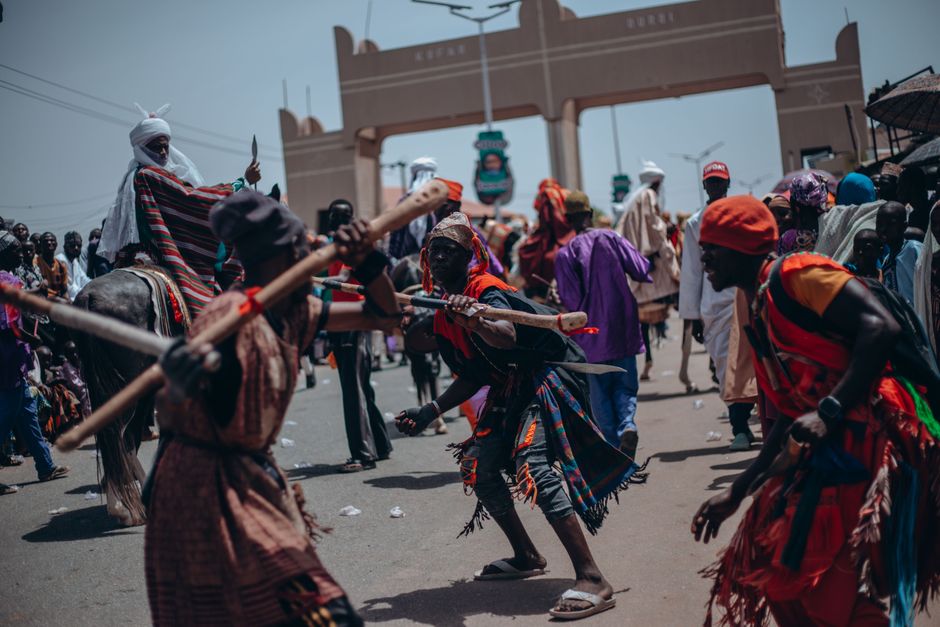
Predominantly located in the northern regions, the Hausa-Fulani are known for their rich history of trade and agriculture. Their culture is heavily influenced by Islam, which is reflected in their architecture, clothing, and festivals.
- Architecture: Traditional Hausa architecture features mud-brick buildings adorned with intricate designs.
- Festivals: The Durbar festival is a grand display of horsemanship and cultural pride.
Yoruba Culture
The Yoruba are predominantly in the southwest and are celebrated for their contributions to art, music, and religious practices. Their vibrant cultural expressions are visible in every aspect of life.
- Art: Yoruba art is renowned for its sculpture, particularly in bronze and terra cotta.
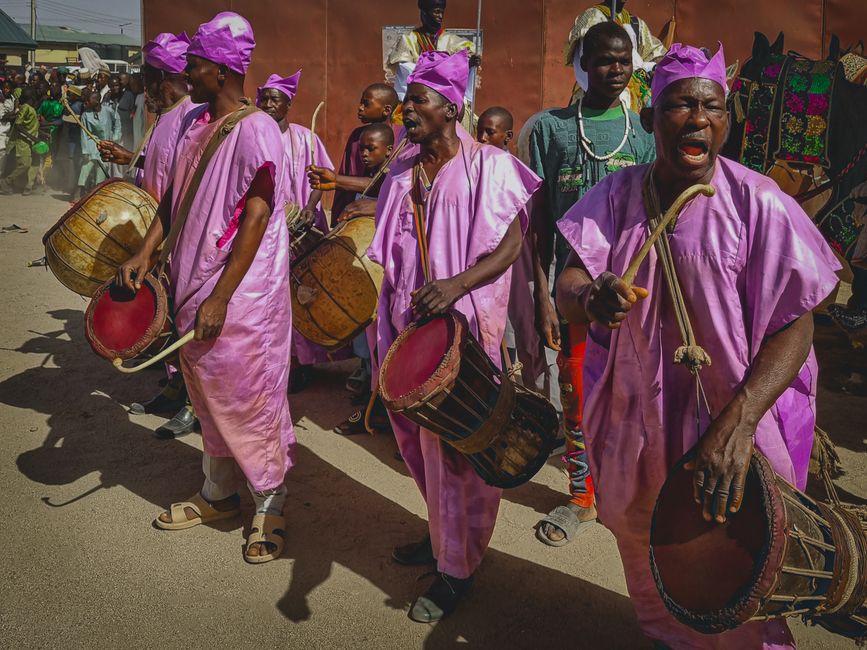
- Music: The talking drum is an iconic musical instrument in Yoruba culture.
Igbo Culture
Located in the southeastern regions, the Igbo are known for their entrepreneurial spirit and rich folklore. Their culture emphasizes community and the importance of family.
- Traditional Clothing: The Igbo often wear colorful attire such as the 'Isiagu' for special occasions.
- Cuisine: Dishes like 'Nkwobi' and 'Ofe Nsala' are staples of Igbo culinary tradition.
Nigerian Music and Dance
The Rise of Afrobeat
No discussion of Nigerian culture is complete without mentioning its music scene, particularly the global phenomenon of Afrobeat. Pioneered by Fela Kuti, Afrobeat combines traditional African rhythms with jazz and funk, creating a sound that resonates worldwide.
"Afrobeat is not just a genre; it's a movement that speaks to the heart of African identity." - Music Enthusiast
Traditional Dance Forms
Dance is integral to Nigerian culture, with each ethnic group boasting unique styles. From the energetic 'Bata' dance of the Yoruba to the graceful 'Atilogwu' dance of the Igbo, these expressions showcase the country's diverse heritage.
- Bata Dance: Known for its intense drumming and footwork, it is performed during religious ceremonies.
- Atilogwu Dance: A high-energy dance often performed by Igbo youth during festivals.
Nigerian Art and Crafts
Traditional Arts
Nigerian art is a reflection of its cultural diversity. From the ancient Nok sculptures to the Benin bronzes, Nigerian art has a rich history that continues to inspire contemporary artists.
Modern Artistic Expressions
Today, Nigerian artists are making waves globally with innovative works that blend traditional themes with modern techniques. The art scene in Lagos, in particular, is a hub for contemporary creativity.
"Nigerian art is not only a testament to creativity but also a bridge between the past and present." - Art Critic
Cuisine: A Taste of Nigeria
Iconic Nigerian Dishes
Nigerian cuisine is as diverse as its people, with each region boasting unique flavors and specialties. Dishes like Jollof rice, Pounded yam, and Suya have become favorites both at home and abroad.
- Jollof Rice: A one-pot dish of rice, tomatoes, and spices, often considered a national dish.
- Suya: Spicy meat skewer, typically served with onions and peppers.
Street Food Culture
Street food is a crucial part of Nigerian culinary culture, offering an array of flavors that are both affordable and delicious. From the bustling streets of Lagos to local markets in Kano, street vendors serve up everything from 'Akara' to 'Puff-Puff'.
Traditional Festivals and Celebrations
The Importance of Festivals
Festivals in Nigeria are not just celebrations but an expression of cultural identity and heritage. They provide a platform for storytelling, music, dance, and community bonding.
Popular Festivals
Nigeria hosts numerous festivals throughout the year, each reflecting the country's vibrant traditions. Some notable ones include the New Yam Festival, the Calabar Carnival, and the Osun-Osogbo Festival.
- New Yam Festival: Celebrated by the Igbo to mark the end of the farming season.
- Calabar Carnival: Often dubbed the "biggest street party in Africa," showcasing colorful parades and performances.
Conclusion
Nigeria's rich cultural heritage is a testament to its enduring spirit and diversity. From the music that fills the air to the art that tells stories of the past, every aspect of Nigerian culture offers a glimpse into a world where tradition meets innovation. As travelers explore this vibrant land, they are invited to immerse themselves in its cultural wonders, gaining a deeper understanding and appreciation for what makes Nigeria truly unique.
"To understand Nigeria is to experience its culture, a vibrant tapestry woven from the threads of its diverse peoples." - Travel Enthusiast