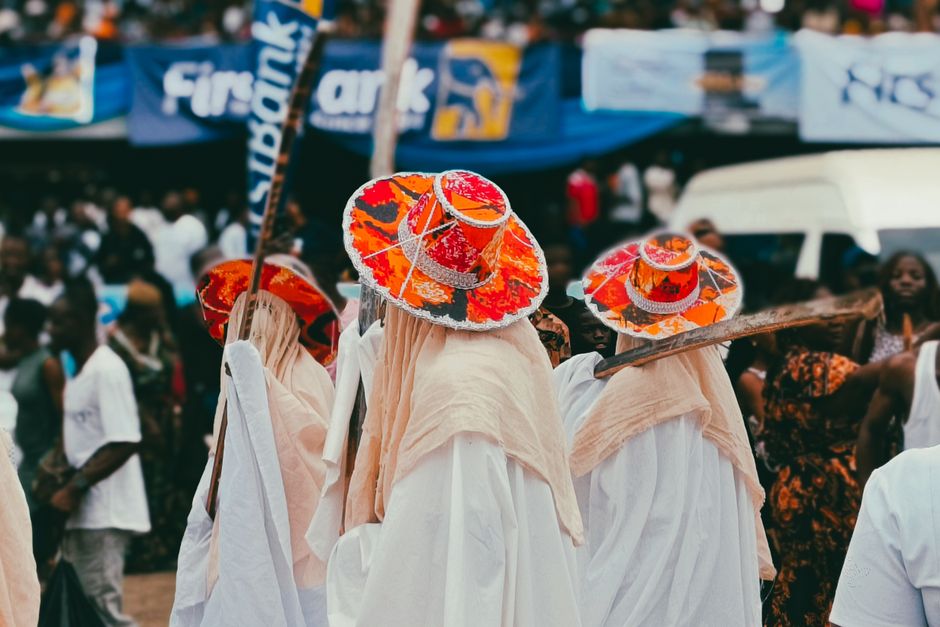
Nigeria is a country that pulses with vibrant energy and a rich cultural tapestry woven across its 250 ethnic groups. Whether you're strolling through its bustling cities or venturing into its serene countryside, the cultural diversity is palpable and offers an irresistible allure to travelers and locals alike. This vast cultural mosaic is vividly expressed through festivals, music, fashion, and daily life, revealing a land steeped in traditions yet dynamically evolving with modern influences.
For the Nigerian reader, this exploration isn't just a matter of cultural pride; it’s an invitation to delve deeper into what makes Nigeria unique. From the electrifying beats of Afrobeat to the colorful regalia of traditional weddings, culture is not just part of life in Nigeria—it is life. Let’s embark on a journey to explore the heart and soul of Nigeria's cultural landscape.
The Colorful Festivals of Nigeria
Nigeria is home to a multitude of festivals that celebrate its rich history and diverse cultures. Each festival is a window into the traditions of different ethnic groups and is characterized by vibrant displays of music, dance, and food.
The Durbar Festival
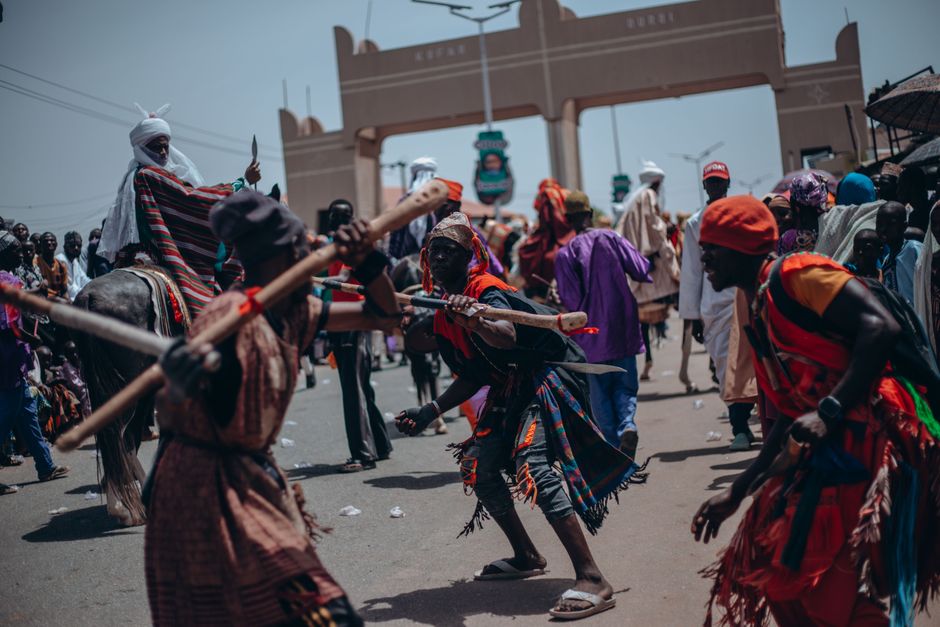
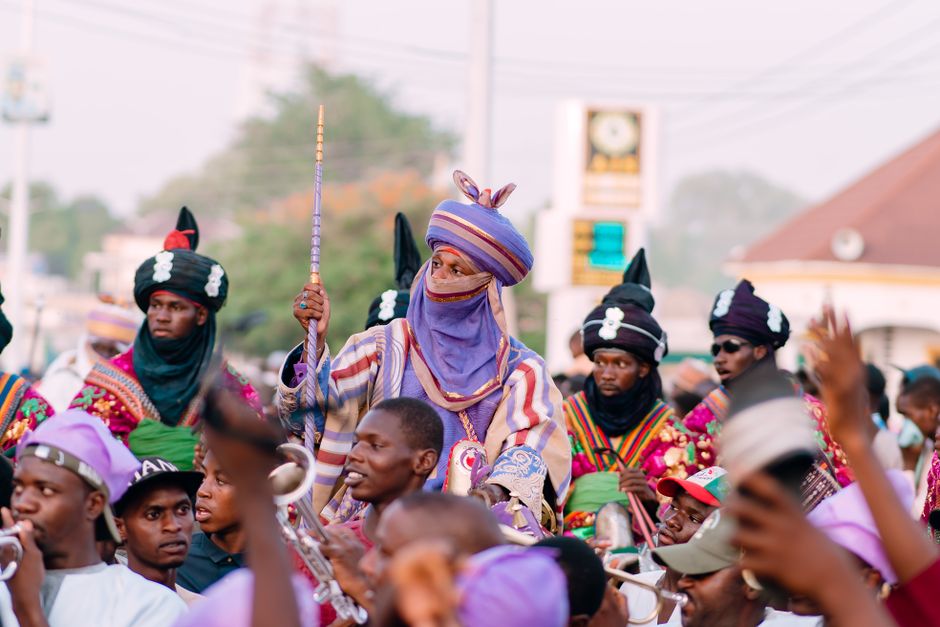
The Durbar Festival is a spectacle of horsemen, traditional music, and colorful attire, celebrated primarily in the northern states such as Kano, Katsina, and Sokoto. It marks the end of Ramadan and pays homage to the traditional rulers.
The Durbar Festival is a grand display of Nigeria's martial history and cultural wealth, offering visitors a chance to witness centuries-old traditions.
The Osun-Osogbo Festival
Held in honor of the goddess Osun, this UNESCO-recognized festival takes place in Osun State. It is a spiritual pilgrimage that attracts thousands of worshippers and tourists alike.
During the festival, participants engage in rituals and dances that celebrate fertility and the blessings of the goddess, culminating in the sacred grove where prayers and offerings are made.
The Calabar Carnival
Dubbed 'Africa’s Biggest Street Party', the Calabar Carnival in Cross River State is a month-long celebration featuring parades, concerts, and cultural exhibitions.
The carnival is a melting pot of cultural expressions, with participants donning elaborate costumes and performing vibrant dances, capturing the joyous spirit of Nigeria.
Music: The Heartbeat of Nigerian Culture
Nigerian music is an integral part of its cultural identity. From traditional beats to contemporary sounds, music tells the stories of Nigeria's past and present.
Afrobeat and Its Global Influence
Afrobeat, pioneered by Fela Kuti, combines traditional Nigerian music with jazz, funk, and highlife, creating a sound that has resonated globally.
Afrobeat is more than just music; it's a powerful tool for social and political commentary, reflecting the vibrant spirit of Nigerian resilience and creativity.
Traditional Music and Instruments
Traditional music varies across Nigeria's ethnic groups, with each having unique instruments and styles. The talking drum, for instance, is prominent among the Yoruba, serving as a communication tool and musical instrument.
Other traditional instruments include the kora, the ogene, and the udu drum, each adding a distinct sound to Nigeria's musical landscape.
Fashion: A Fusion of Tradition and Modernity
Nigerian fashion is a bold statement of identity, blending traditional styles with contemporary trends to create a unique aesthetic.
Traditional Attire
Traditional attire such as the Yoruba 'agbada', the Igbo 'isiagu', and the Hausa 'babanriga', are often worn during festivals and ceremonies, showcasing Nigeria’s diverse cultures.
These garments are not only functional but also a reflection of status and heritage, with vibrant colors and intricate patterns that tell stories of their origins.
Modern Nigerian Fashion
In recent years, Nigerian designers have made waves on the global stage, fusing traditional elements with modern designs. Events like Lagos Fashion Week highlight the creativity and innovation of Nigerian fashion.
Modern Nigerian fashion is a dynamic fusion of the past and present, embodying a cosmopolitan spirit while honoring cultural roots.
The Art of Nigerian Storytelling
Nigerian storytelling is a rich tradition that is deeply embedded in the cultural fabric of the country. It serves as a means of preserving history, imparting wisdom, and entertaining audiences.
Oral Traditions
Oral storytelling is an ancient art in Nigeria, with tales often passed down through generations. Folktales such as those of the trickster 'Tortoise' are popular across various ethnic groups.
These stories not only entertain but also convey moral lessons and cultural values, making them an essential part of Nigerian life.
Nollywood: The Modern Storyteller
Nollywood, Nigeria’s vibrant film industry, is one of the largest in the world, producing culturally rich films that depict everyday Nigerian life and traditional stories.
Through its films, Nollywood has become a global ambassador for Nigerian culture, offering a platform for Nigerian stories to reach international audiences.
Culinary Delights: A Taste of Nigeria
Nigerian cuisine is as diverse as its culture, with each region offering distinct flavors and dishes. Food is a vital part of celebrations and daily life, bringing people together and showcasing Nigeria's rich culinary heritage.
Staple Dishes
Staple Nigerian dishes include 'jollof rice', 'pounded yam', 'egusi soup', and 'suya', each offering a unique blend of spices that tantalize the taste buds.
These dishes are not only delicious but also reflect the agricultural richness and cultural diversity of Nigeria.
Local Markets: A Culinary Adventure
Visiting a local market in Nigeria is a culinary adventure that offers a sensory overload of sights, sounds, and smells. Markets like Balogun in Lagos are bustling with vendors selling fresh produce, spices, and traditional ingredients.
Exploring Nigerian markets is an immersive experience that reveals the country’s culinary diversity and the vibrant spirit of its people.
Conclusion
Nigeria’s cultural landscape is a vibrant tapestry that offers a unique window into its diverse history and contemporary life. From its colorful festivals and dynamic music scene to its innovative fashion and rich culinary traditions, Nigeria is a land of contrasts and creativity.
For Nigerian readers, understanding and embracing this cultural wealth is not just about heritage—it’s about celebrating what makes Nigeria truly special. As you continue to explore the cultural heartbeat of Nigeria, let each experience deepen your appreciation for this extraordinary nation.