Nigeria is a cultural mosaic brimming with vibrancy and diversity, offering a tapestry of traditions, languages, and art that captivates the soul. For Nigerian readers eager to delve into the essence of their homeland or for travelers drawn to the cultural richness of West Africa, understanding Nigeria's cultural heritage is both an enlightening and rewarding adventure.
Whether you're a local yearning to reconnect with your roots or a visitor curious about Nigeria's cultural landscapes, this guide will take you on a journey through the heart of West Africa, shedding light on age-old traditions and the dynamic culture that makes Nigeria a unique destination.
From the spirited rhythms of traditional music to the kaleidoscope of colors in local festivals, Nigeria offers a feast for the senses. Let's dive into the heart of Nigeria's cultural heritage and discover what makes this nation truly remarkable.
The Diversity of Nigerian Cultures
Yoruba Traditions and Beliefs
The Yoruba people, primarily found in southwestern Nigeria, are known for their rich traditions that emphasize the importance of community and respect for the elderly. Their culture is deeply rooted in history, with oral traditions and mythologies that have been passed down through generations.
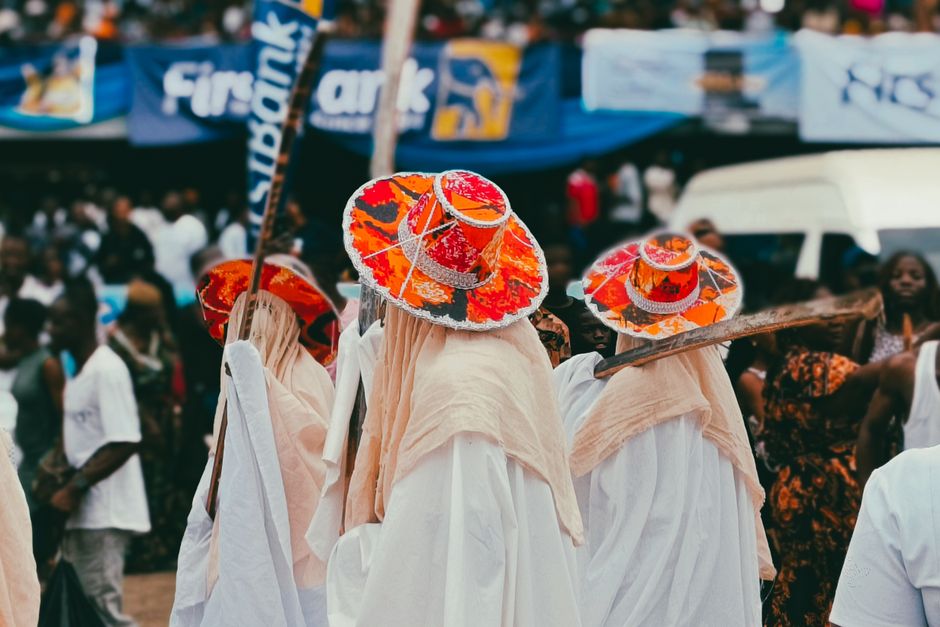
The Yoruba are renowned for their elaborate festivals such as the Eyo Festival, which is a vibrant display of masquerades that fill the streets of Lagos, celebrating the life of a prominent individual or marking a significant occasion.
Igbo Cultural Practices
In the southeastern regions, the Igbo people celebrate their identity through colorful festivals like the New Yam Festival, which marks the beginning of the harvest season. The Igbo are also known for their unique art forms, intricate carvings, and vibrant traditional attire.
Community values, trading, and a strong entrepreneurial spirit characterize Igbo culture, often highlighted in literature and film, showcasing the resilience and adaptability of the Igbo people.
Hausa-Fulani Heritage
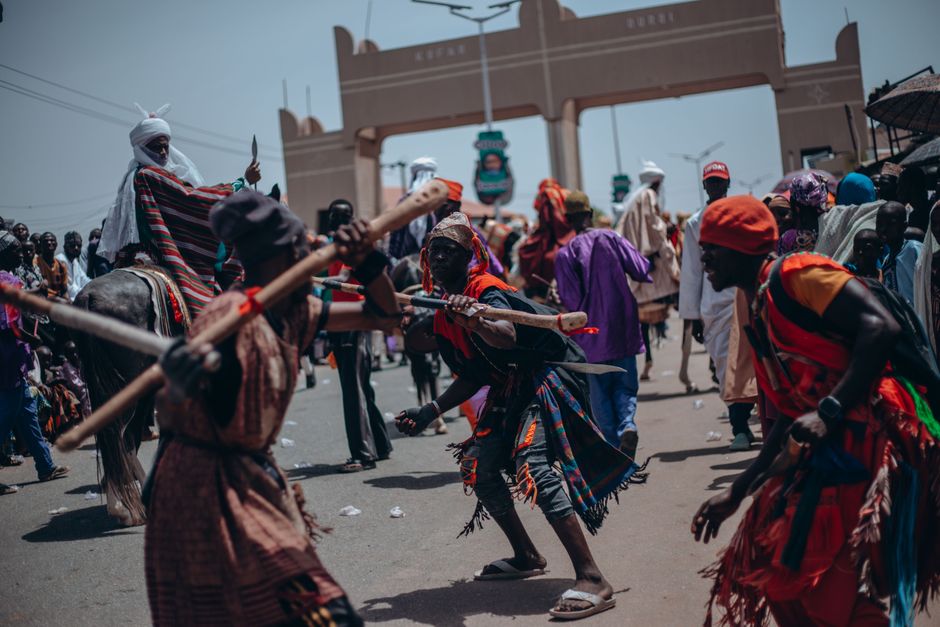
The Hausa-Fulani culture in northern Nigeria is predominantly characterized by its Islamic influences. Traditional music, dance, and vibrant clothing highlight the cultural celebrations, most notably seen in the Durbar festivals, where horsemen parade in an array of colorful regalia.
The Hausa language, one of the largest in Africa, plays a significant role in the cultural framework, serving as a medium for trade, education, and religious practices.
Art and Music: The Soul of Nigerian Culture
Traditional Art Forms
Nigeria is home to a rich artistic heritage, from the ancient Nok sculptures to the vibrant contemporary art scene. Traditional art is deeply intertwined with spiritual and social themes, often serving as a medium for storytelling and cultural expression.
Art enthusiasts can explore numerous galleries and markets across Nigeria, where they can witness the creativity and craftsmanship of local artists firsthand.
The Influence of Nigerian Music
Music is an integral part of Nigerian culture, with genres ranging from traditional folk songs to Afrobeat, a genre pioneered by the legendary Fela Kuti. Nigerian music has gained international acclaim, with artists like Burna Boy and Wizkid showcasing the country's musical prowess to the world.
Nigerian music is not just entertainment; it is a powerful tool for social change and cultural expression.
The Vibrancy of Nigerian Festivals
The Durbar Festival
The Durbar Festival is a grand celebration of culture and tradition, marked by a parade of horsemen in elaborate attire. This festival is a visual spectacle, showcasing the cultural richness of the Hausa-Fulani people and their historical ties to horsemanship.
Calabar Carnival
Known as "Africa's Biggest Street Party", the Calabar Carnival is a month-long extravaganza featuring colorful parades, music, and dance. This festival attracts visitors from all over, eager to experience the lively atmosphere and cultural displays.
Osun-Osogbo Festival
Held in the sacred Osun-Osogbo Grove, this festival is a celebration of the Yoruba goddess Osun. Participants engage in rituals and ceremonies to honor the deity, offering a glimpse into the spiritual traditions of the Yoruba people.
Culinary Delights of Nigeria
The Spicy Flavors of Nigerian Cuisine
Nigerian food is a reflection of its diverse cultures, offering a variety of flavors and textures. Dishes like Jollof rice, pounded yam, and egusi soup are staples in Nigerian households, each with its unique blend of spices and ingredients.
For those eager to explore Nigerian cuisine, local markets and eateries provide an authentic taste of the country's culinary heritage.
Food Festivals and Events
Nigeria hosts several food festivals that celebrate its culinary diversity. These events offer a platform for food enthusiasts to explore traditional dishes and innovative culinary creations by local chefs.
Conclusion
Exploring Nigeria's cultural heritage is a journey into the heart of a nation that thrives on diversity and unity. From its vibrant festivals to its rich artistic expressions, Nigeria offers a cultural experience like no other.
Whether you're drawn to the rhythmic beats of Afrobeat or the intricate patterns of traditional textiles, Nigeria's cultural landscape promises to captivate your senses and deepen your appreciation of this remarkable African nation.